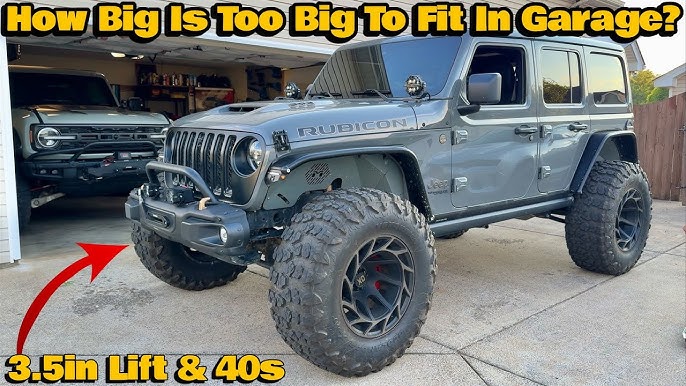
Thinking about upgrading your Jeep with big tires? It’s a popular way to make your vehicle look tougher and perform better off-road. But before you rush out to buy a new set, it’s smart to understand how much big tires for a Jeep actually cost. Prices can be confusing, with lots of options and hidden expenses. This guide breaks down what you’ll really pay, what factors matter most, and how to avoid surprises.
What Counts As “big Tires” For A Jeep?
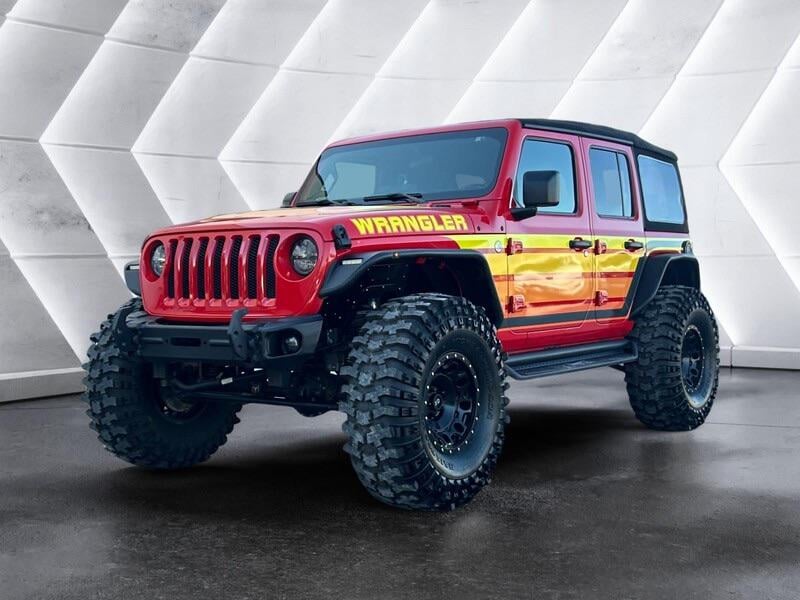
For most Jeeps, big tires usually mean anything larger than the stock size—often 33 inches or more in diameter. The most common upgrades are:
- 33-inch tires: Great for a mild lift and off-road use.
- 35-inch tires: Popular for serious off-roaders.
- 37-inch tires: Extreme size, needs extra modifications.
Each size jump means more cost, not just for the tires but for other parts too. Knowing your goals and how you use your Jeep helps you pick the right size.
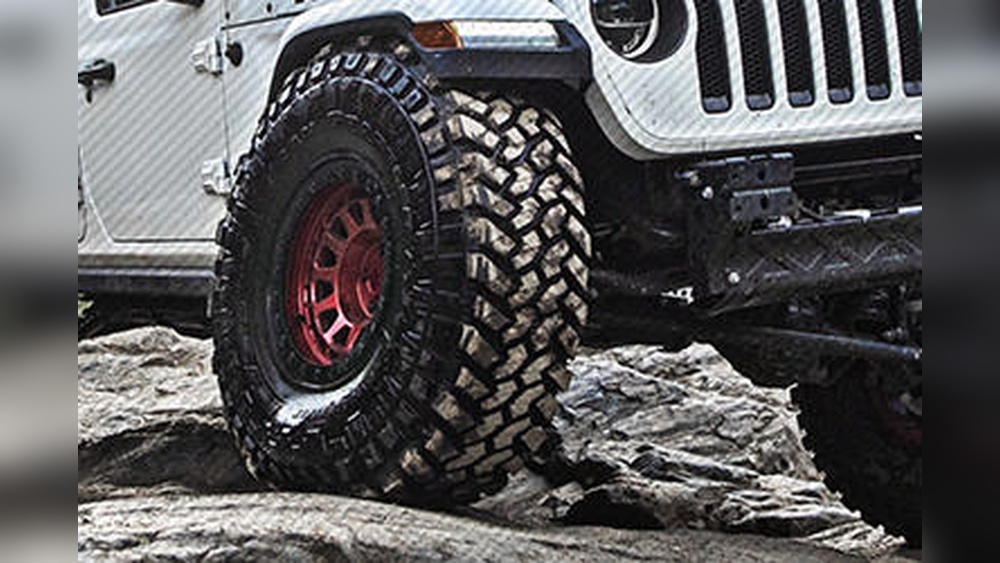
How Much Do Big Tires Cost?
The price of big tires varies a lot. Here’s a quick look at what you can expect for a set of four, based on current US market prices:
| Tire Size | Average Price (Set of 4) | Popular Brands |
|---|---|---|
| 33-inch | $900 – $1,400 | BFGoodrich, Nitto, Falken |
| 35-inch | $1,200 – $1,900 | Toyo, Goodyear, Cooper |
| 37-inch | $1,600 – $2,500 | Mickey Thompson, Maxxis |
These prices are for all-terrain or mud-terrain tires, which are most common for Jeeps. Regular highway tires may cost less, but they’re not ideal for off-road use.
Other Costs You Can’t Ignore
Buying big tires is just the start. You’ll need to plan for extra costs that come with running larger tires:
1. New Wheels (rims)
Most big tires need wider or larger-diameter wheels. Basic steel wheels start at about $400 for a set, while premium alloy or beadlock wheels can cost $1,000 or more.
2. Suspension Lift Kits
To fit 35-inch or larger tires, a suspension lift is usually required. Here’s a look at what you might spend:
| Lift Height | Average Kit Price | Installation Cost |
|---|---|---|
| 2-inch | $300 – $700 | $400 – $800 |
| 3-4 inch | $600 – $1,500 | $800 – $1,500 |
3. Re-gearing And Other Mods
Bigger tires change your Jeep’s gear ratio. This can hurt fuel economy and power unless you re-gear the axles. Re-gearing usually costs $1,200 to $2,000, including parts and labor.
Other possible expenses:
- Speedometer recalibration: $100 – $200
- Upgraded brakes: $300 – $800
- Fender trimming: If tires rub, you may need to trim or replace fenders (cost varies).
Many beginners forget about these hidden costs and end up spending much more than they planned.
Key Factors That Affect Price
Not all big tires or upgrades are equal. Here’s what makes a difference:
1. Tire Brand And Type
Premium brands cost more but offer better durability and grip. Mud-terrain tires are pricier than all-terrains.
2. Tire Construction
Heavier, stronger tires for off-roading are more expensive. Light truck (LT) rated tires cost more than passenger (P-metric) tires.
3. Shop Location
Prices can be higher in big cities or remote areas due to shipping and taxes.
4. Installation Fees
Mounting, balancing, and alignment often add $20 $40 per tire.
5. Sales And Deals
Check for seasonal promotions. Some shops offer free installation or mail-in rebates.
Real-world Example: Jeep Wrangler Upgrade
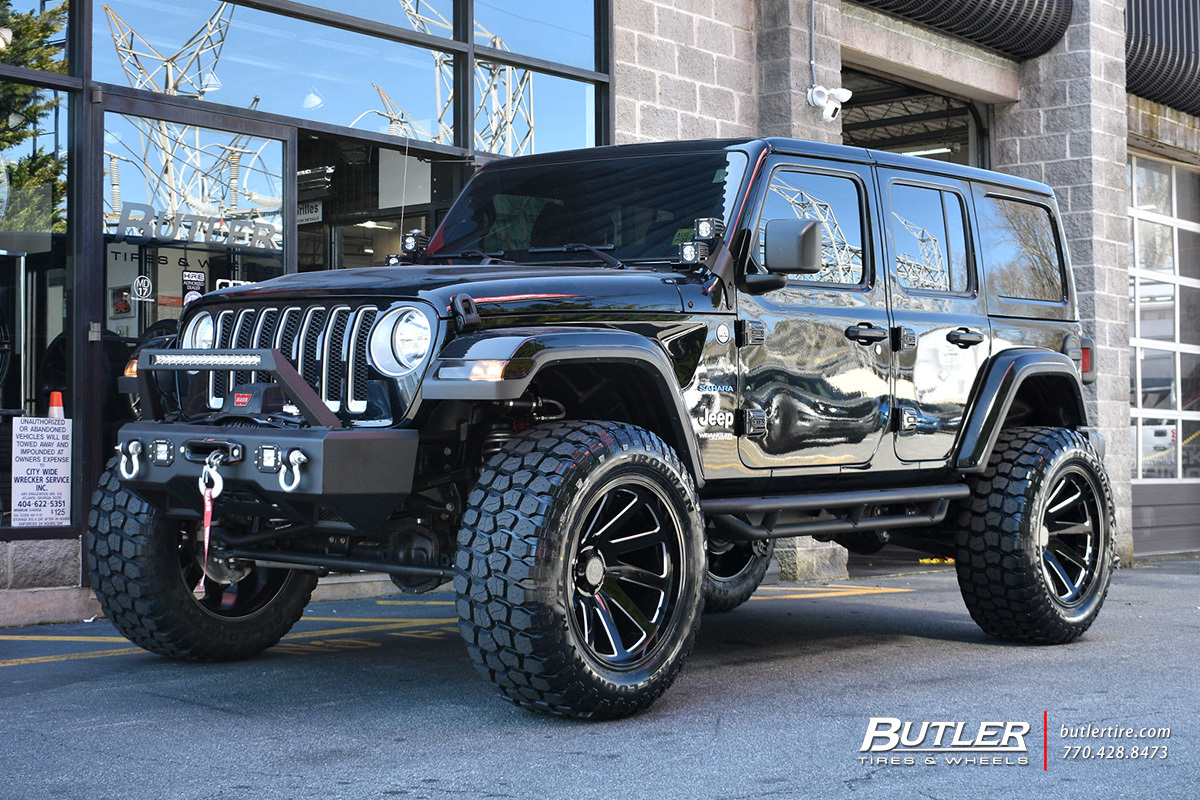
Let’s say you own a Jeep Wrangler JL and want to run 35-inch all-terrain tires. Here’s a simple cost breakdown:
- Tires (set of 4): $1,400
- Wheels: $600
- 3-inch lift kit + install: $2,000
- Re-gearing: $1,500
- Mounting/balancing: $120
Total: $5,620
This is just one example. Your total could be lower if you do some work yourself or skip re-gearing for smaller tires.
But for most Jeep owners, the final price is more than just the tires.
Common Mistakes To Avoid
Many first-time buyers make simple errors. Here’s how to avoid them:
- Forgetting about extra mods. It’s not just the tires—lifts, re-gearing, and wheels add to the price.
- Choosing tires too big for daily use. Bigger isn’t always better. Large tires can hurt ride comfort, MPG, and handling.
- Ignoring weight. Heavy tires stress your suspension and brakes.
- Not checking local laws. Some states limit how much you can lift your Jeep or how far tires can stick out.
Thinking ahead saves you money and headaches.
Are Big Tires Worth It?
For many Jeep owners, big tires are worth the cost if you love off-roading or want a bold look. They improve ground clearance, traction, and style. But there are trade-offs, like increased fuel use and more wear on parts.
If you mainly drive on highways, a moderate upgrade (like 33-inch tires) gives a great look without all the extra expense. Extreme sizes (like 37-inch) are best left to serious off-roaders who are ready for the total cost.
Frequently Asked Questions
How Much Do 35-inch Tires Cost For A Jeep?
A set of 35-inch tires typically costs $1,200 to $1,900, depending on the brand and type. Remember, this does not include installation or extra parts like wheels or lift kits.
Do I Need To Lift My Jeep To Fit Big Tires?
Yes, for most Jeeps, 35-inch or larger tires need a lift kit of at least 2–3 inches. This prevents the tires from rubbing and makes sure your suspension works correctly.
Will Big Tires Affect My Jeep’s Gas Mileage?
Yes, big tires often reduce fuel economy by 2–5 MPG or more, especially if you don’t re-gear your axles. Larger, heavier tires create more rolling resistance.
Do I Need To Upgrade My Jeep’s Gears For Big Tires?
If you go bigger than 33 inches, re-gearing is recommended. This helps restore lost power and keeps your Jeep running smoothly.
Where Can I Find More Info About Jeep Modifications?
For more details on Jeep upgrades and laws, visit the official Jeep Accessories website.
Upgrading to big tires transforms your Jeep, but costs add up fast. Plan your budget carefully, compare brands, and consider all the upgrades needed for a smooth and safe ride. With the right choices, your Jeep will be ready for the trails—and look great on the street too.