How Much Antifreeze Does A Jeep Wrangler Take
Keeping your Jeep Wrangler running smoothly means paying attention to the little things—like how much antifreeze it needs. If you’re new to car maintenance, you might be surprised by how important this fluid is.
Antifreeze, also called coolant, helps control your engine’s temperature and protects it from both freezing and overheating. Too little or too much can cause real problems.
Let’s break down exactly how much antifreeze your Jeep Wrangler takes, how to fill it correctly, and what else you need to know to avoid costly mistakes.
Antifreeze Capacity By Jeep Wrangler Model
The amount of antifreeze your Wrangler needs depends on its year and engine size. Below is a quick reference for the most common Jeep Wrangler models.
| Wrangler Model Year | Engine | Antifreeze Capacity (quarts) |
|---|---|---|
| 2007–2011 (JK) | 3.8L V6 | 14.0 |
| 2012–2018 (JK) | 3.6L V6 | 14.0 |
| 2018–present (JL) | 2.0L Turbo I4 | 10.7 |
| 2018–present (JL) | 3.6L V6 | 13.0 |
| 2020–present (JL) | 3.0L EcoDiesel V6 | 11.0 |
If you’re unsure which engine you have, check your owner’s manual or the sticker under your Jeep’s hood.
Why The Right Amount Matters
Using the correct amount of antifreeze is not just a suggestion. It keeps your engine at the right temperature and protects against rust, corrosion, and buildup. Overfilling can cause the coolant to overflow, while underfilling can lead to overheating or even engine damage.
Many beginners forget to check the overflow tank or don’t consider that some coolant remains in the system even after draining. So, always fill slowly and check levels as you go.
How To Check And Refill Jeep Wrangler Antifreeze
Knowing the capacity helps, but you also need to refill your Jeep safely. Here’s how to do it:
1. Wait Until The Engine Is Cool
Never open the radiator cap when the engine is hot. Pressure can force hot coolant out, causing burns.
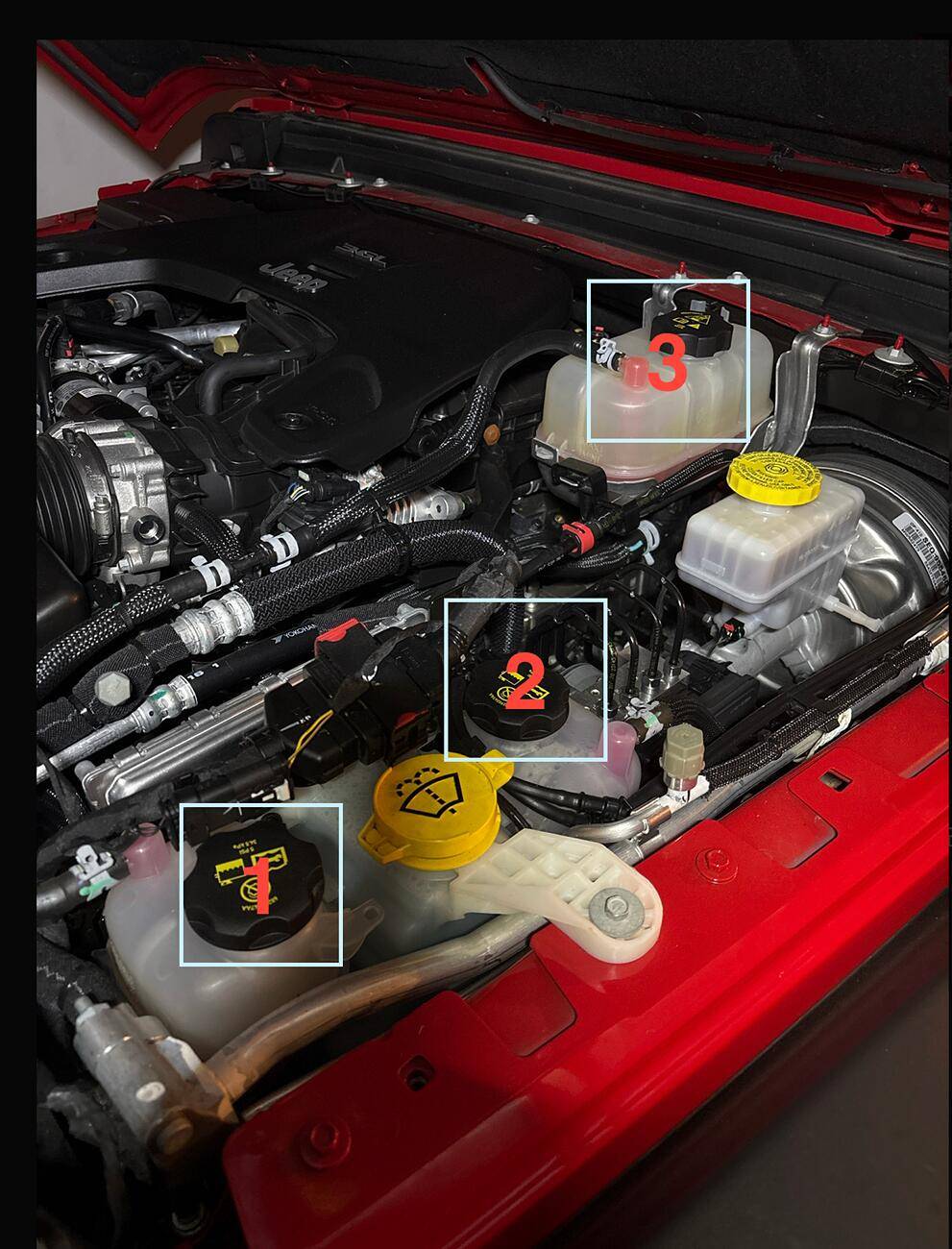
2. Locate The Radiator And Overflow Tank
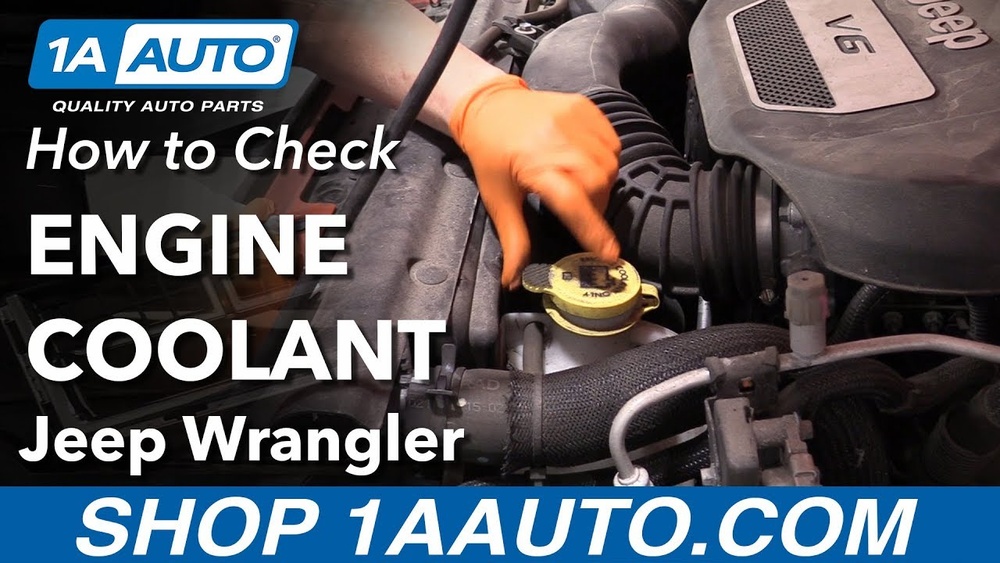
The radiator cap is usually at the front of the engine bay. The overflow tank is a translucent plastic container nearby, marked with “Min” and “Max. ”
3. Drain Old Coolant (if Needed)
If you’re doing a complete change, open the drain plug at the bottom of the radiator and let the old fluid flow into a container.
4. Mix The Antifreeze
Most Wranglers use a 50/50 mix of antifreeze and distilled water. Some coolants are pre-mixed; always check the label.
5. Add Coolant Slowly
Pour into the radiator until it’s full. Then fill the overflow tank to the “Max” line.
6. Run The Engine
Start the Jeep and let it idle with the heater on high. This helps remove air bubbles. Top off the coolant as needed.
7. Check For Leaks
Look under the Jeep for any drips. If you see coolant leaking, tighten clamps or check hoses.
Common Mistakes When Adding Antifreeze
- Using tap water instead of distilled water (can cause mineral buildup)
- Mixing different types of coolant (can reduce effectiveness)
- Forgetting to bleed air from the system (can lead to overheating)
Which Type Of Antifreeze Does A Jeep Wrangler Use?
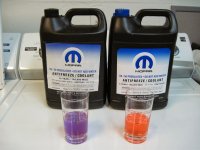
Not all antifreeze is the same. Jeep typically recommends an OAT (Organic Additive Technology) coolant, which is often orange or purple. Older Wranglers (pre-2013) may use HOAT (Hybrid OAT), which is usually yellow or orange.
| Wrangler Year | Recommended Coolant Type | Coolant Color |
|---|---|---|
| 2007–2012 (JK) | HOAT | Yellow/Orange |
| 2013–present (JK, JL) | OAT | Purple/Orange |
Mixing OAT and HOAT is a common beginner mistake. Always use what your manual recommends.
Practical Tips For Wrangler Owners
- Buy extra coolant. The system may need topping off after air bubbles work their way out.
- Check your coolant twice a year. Look at the level and color. Cloudy or rusty coolant means it’s time to replace.
- Keep an eye on engine temperature. If the gauge creeps up, stop driving and check the coolant level.
- Dispose of old coolant safely. Antifreeze is toxic to humans and animals. Take it to a recycling center.
Many Jeep owners overlook the importance of flushing the system every 5 years or 100,000 miles. Old coolant loses its ability to protect the engine and radiator from corrosion.
Antifreeze Vs. Coolant: What’s The Difference?
People often use these words interchangeably. Antifreeze is the concentrated fluid you buy in a bottle, usually colored and made from ethylene glycol or propylene glycol. Coolant is the final mixture of antifreeze and water that goes into your Jeep. For most climates, a 50/50 mix protects your engine down to -34°F and up to 265°F.
Signs Your Wrangler Needs More Antifreeze
Not sure if you’re low? Watch for these signs:
- Heater blows cold air (even when set to hot)
- Sweet smell from the engine bay (a sign of a leak)
- Steam from under the hood
- Coolant warning light on your dashboard
If you see any of these, check your coolant level right away.
How Much Antifreeze To Buy
Coolant usually comes in one-gallon containers. If you’re doing a full system flush, you’ll need about:
- 2 gallons of antifreeze (plus 2 gallons of distilled water) for most Wranglers
- For smaller engines (like the 2.0L Turbo), you may only need 1.5 gallons of each
Always round up—a little extra on hand never hurts, especially if you spill or need to top off later.