If you drive a Jeep Grand Cherokee, you might wonder how far you can go when the fuel gauge hits empty. This is a common question, especially for those who travel long distances or drive in areas with few gas stations.
Knowing the real “miles to empty” is important for safety, planning, and avoiding costly mistakes. In this article, you’ll learn what affects the range, how Jeep estimates it, and practical tips to avoid running out of gas.
What Does “miles To Empty” Mean?
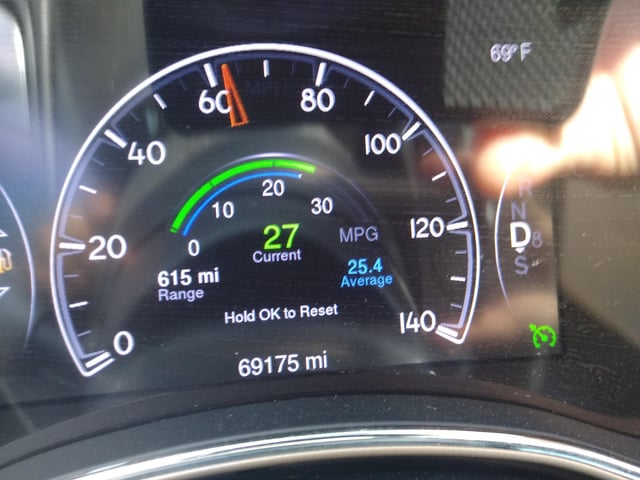
The “miles to empty” display tells you how many more miles your Jeep Grand Cherokee can travel with the fuel left in the tank. It’s an estimate based on recent driving habits, speed, and fuel consumption. Most Grand Cherokees use sensors and computer calculations to update this number in real-time.
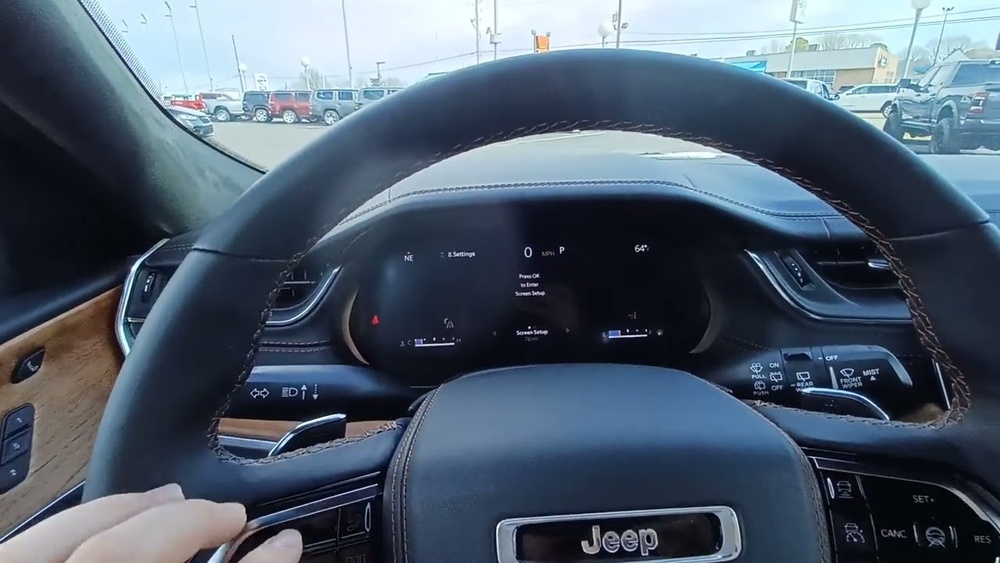
This estimate changes with driving style. If you drive fast or climb hills, the number can drop quickly.
If you drive gently, you may get more miles than expected.
Typical Miles To Empty For Jeep Grand Cherokee
The exact “miles to empty” depends on the model year, engine type, and tank size. Here’s a breakdown of common Grand Cherokee versions:
| Model Year | Engine | Fuel Tank Capacity (gal) | Estimated MPG | Approx Miles per Tank |
|---|---|---|---|---|
| 2023 | 3.6L V6 | 23 | 19 city / 26 highway | 437–598 |
| 2023 | 5.7L V8 | 24.6 | 14 city / 22 highway | 344–541 |
| 2018 | 3.0L Diesel | 24.6 | 22 city / 30 highway | 541–738 |
When the low fuel light comes on, most drivers have about 2 to 3 gallons left. For a V6 Grand Cherokee, this means about 40–60 miles remaining. For older models, the range can be slightly less.
How Accurate Is The “miles To Empty” Display?
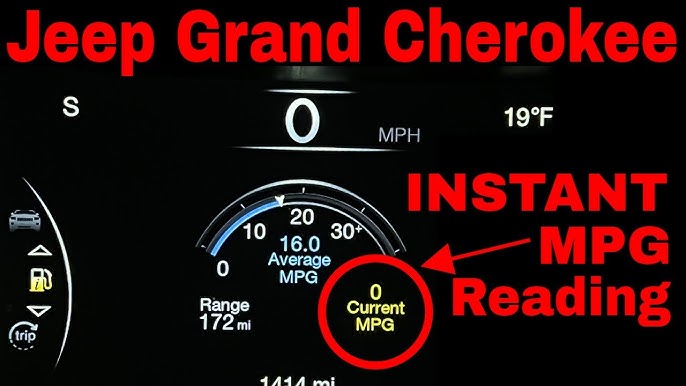
The Jeep Grand Cherokee uses a trip computer to show miles to empty. This number is usually accurate, but it’s based on the last few miles of driving. If you speed up, drive uphill, or use air conditioning, the estimate can change fast.
Some drivers report that the display can be off by 5–10 miles. When the gauge hits zero, there’s usually still a small amount of fuel left. However, relying on this can damage your fuel pump or leave you stranded.
Here’s how the accuracy compares across different situations:
| Driving Condition | Estimated Miles to Empty | Actual Miles Achieved |
|---|---|---|
| City Driving | 40 | 30–38 |
| Highway Driving | 40 | 40–45 |
| Mixed Driving | 40 | 35–42 |
Highway driving is more efficient, so you may get a few extra miles. In stop-and-go city traffic, the actual miles can be lower.
What Factors Affect Miles To Empty?
Many things can change how far you can drive with low fuel. Understanding these can help you avoid surprises:
- Driving Style: Aggressive driving burns fuel faster.
- Terrain: Hills and rough roads use more gas.
- Weather: Cold or hot weather increases fuel use.
- Vehicle Load: Carrying heavy items reduces efficiency.
- Engine Type: Diesel engines often go farther than gasoline.
Even the age of the car matters. Older Grand Cherokees may have less accurate sensors or reduced fuel efficiency.
Real-life Experiences: How Far Can You Really Go?
Many Jeep owners share stories online about pushing their Grand Cherokee past “empty.” Most say they can drive 30–50 miles after the warning light comes on. However, this is risky. Running out of fuel can:
- Damage the fuel pump
- Cause sudden stops in unsafe areas
- Lead to expensive repairs
If you regularly run on low fuel, the fuel pump may overheat and fail. It’s best to refill as soon as possible after the warning light appears.
Practical Tips To Avoid Running Out Of Gas
Here’s how you can avoid trouble:
- Refill before the warning light: Don’t wait for zero miles to empty.
- Keep track of mileage: Know your average miles per tank.
- Check gas stations ahead: Plan trips in remote areas.
- Drive smoothly: Gentle acceleration and braking save fuel.
- Carry emergency supplies: If you travel off-road, bring extra fuel.
Some drivers use phone apps to find nearby gas stations. This is useful if you drive in unfamiliar places.
Comparing Grand Cherokee To Other Suvs
How does the Jeep Grand Cherokee stack up against other SUVs for “miles to empty”? Here’s a quick comparison:
| Vehicle | Tank Size (gal) | Estimated MPG | Miles After Low Fuel Light |
|---|---|---|---|
| Jeep Grand Cherokee | 23 | 19–26 | 40–60 |
| Ford Explorer | 20.2 | 17–24 | 35–50 |
| Toyota Highlander | 17.9 | 21–29 | 30–45 |
As you can see, the Grand Cherokee offers a slightly higher range after the low fuel warning compared to other midsize SUVs.
Non-obvious Insights
Most beginners don’t realize:
- The “miles to empty” estimate is based on recent driving, not the whole tank. If you drive differently after the light comes on, your range changes.
- Driving uphill or towing right after low fuel warning can cut your miles by half. Plan refills for flat, easy driving when possible.
A common mistake is trusting the display too much. Always keep a mental backup plan, especially on long trips.

Frequently Asked Questions
How Many Miles Can I Drive After The Low Fuel Light Comes On In My Jeep Grand Cherokee?
Most drivers report 40–60 miles remaining, but this depends on model, driving style, and conditions.
Is It Safe To Drive With The Fuel Gauge On Empty?
It’s risky. You could run out of gas, damage your fuel pump, or get stranded. It’s best to refill soon after the warning appears.
Does The “miles To Empty” Display Reset If I Add Only A Small Amount Of Fuel?
Yes, but the estimate may remain low if you don’t add enough gas. Always fill up enough to clear the warning.
Can Running On Empty Harm My Jeep Grand Cherokee?
Yes. The fuel pump relies on fuel for cooling. Running dry can cause overheating and expensive damage.
Where Can I Find Official Fuel Data For My Jeep Grand Cherokee?
You can check the manufacturer’s site or resources like FuelEconomy.gov for reliable information.
Driving a Jeep Grand Cherokee is enjoyable, but running out of gas isn’t. Keep an eye on your “miles to empty” display, understand its limits, and plan ahead.
This will help you stay safe, protect your vehicle, and enjoy the ride without stress.