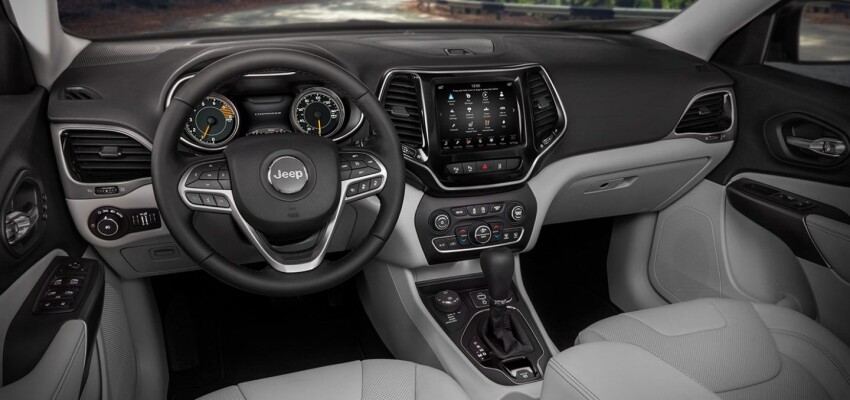
The Jeep Cherokee is a popular SUV that appeals to drivers who want adventure, comfort, and reliability. But before buying, many people ask: “How many miles per gallon does a Jeep Cherokee get?”
Fuel economy is important for saving money and planning trips. In this article, you’ll discover the real numbers for different Cherokee models, learn what affects their MPG, and see how they compare with other SUVs.
You’ll also find practical tips to help you get the best fuel mileage from your Cherokee.

Jeep Cherokee Mpg By Model Year
Jeep Cherokee’s fuel efficiency can change a lot depending on the engine, drivetrain, and year. Here’s a breakdown of typical MPG ratings for recent Cherokee models.
| Model Year | Engine | Drivetrain | City MPG | Highway MPG | Combined MPG |
|---|---|---|---|---|---|
| 2022 | 2.4L I4 | FWD | 22 | 31 | 25 |
| 2022 | 3.2L V6 | 4WD | 19 | 27 | 22 |
| 2021 | 2.0L Turbo | 4WD | 21 | 29 | 24 |
| 2020 | 2.4L I4 | FWD | 22 | 31 | 25 |
Most recent Jeep Cherokee models get 22-25 MPG combined, depending on the engine and whether you choose front-wheel drive (FWD) or four-wheel drive (4WD). The 2.4L engine is usually more fuel efficient than the V6.
Engine And Drivetrain Impact
The engine size and type make a big difference in how many miles per gallon the Cherokee achieves. Here’s a quick comparison of the main options.
| Engine | Horsepower | City MPG | Highway MPG | Notes |
|---|---|---|---|---|
| 2.4L I4 | 180 | 22 | 31 | Most efficient |
| 2.0L Turbo I4 | 270 | 21 | 29 | Good balance |
| 3.2L V6 | 271 | 19 | 27 | Best for towing |
Two insights many buyers miss:
- The 2.4L I4 engine is the best for long highway trips and city driving if you want to spend less on gas.
- The 3.2L V6 is less efficient, but it’s better for drivers who need more power, especially for towing or off-road use.
Choosing 4WD usually lowers MPG by 1-2 points compared to FWD.
Cherokee Mpg Compared To Other Suvs
How does the Jeep Cherokee compare to other compact SUVs in terms of fuel economy? Here’s a look at popular models from the same class.
| Model | Engine | Combined MPG |
|---|---|---|
| Jeep Cherokee (2.4L FWD) | 2.4L I4 | 25 |
| Toyota RAV4 | 2.5L I4 | 30 |
| Honda CR-V | 1.5L Turbo | 30 |
| Ford Escape | 1.5L EcoBoost | 28 |
| Chevrolet Equinox | 1.5L Turbo | 28 |
The Cherokee’s MPG is a bit lower than the Toyota RAV4 and Honda CR-V, which are leaders in this category. However, Cherokee offers more off-road ability and towing power, which can be a fair trade-off for some buyers.
What Affects Jeep Cherokee Mpg?
Many factors play a role in your Cherokee’s real-world fuel economy:
- Driving style: Fast acceleration and hard braking lower MPG.
- Weather: Cold weather and strong winds reduce fuel efficiency.
- Tire pressure: Low tires increase rolling resistance.
- Cargo and towing: Extra weight means more fuel burned.
- Maintenance: Dirty air filters or old spark plugs can drop MPG by 1-2 points.
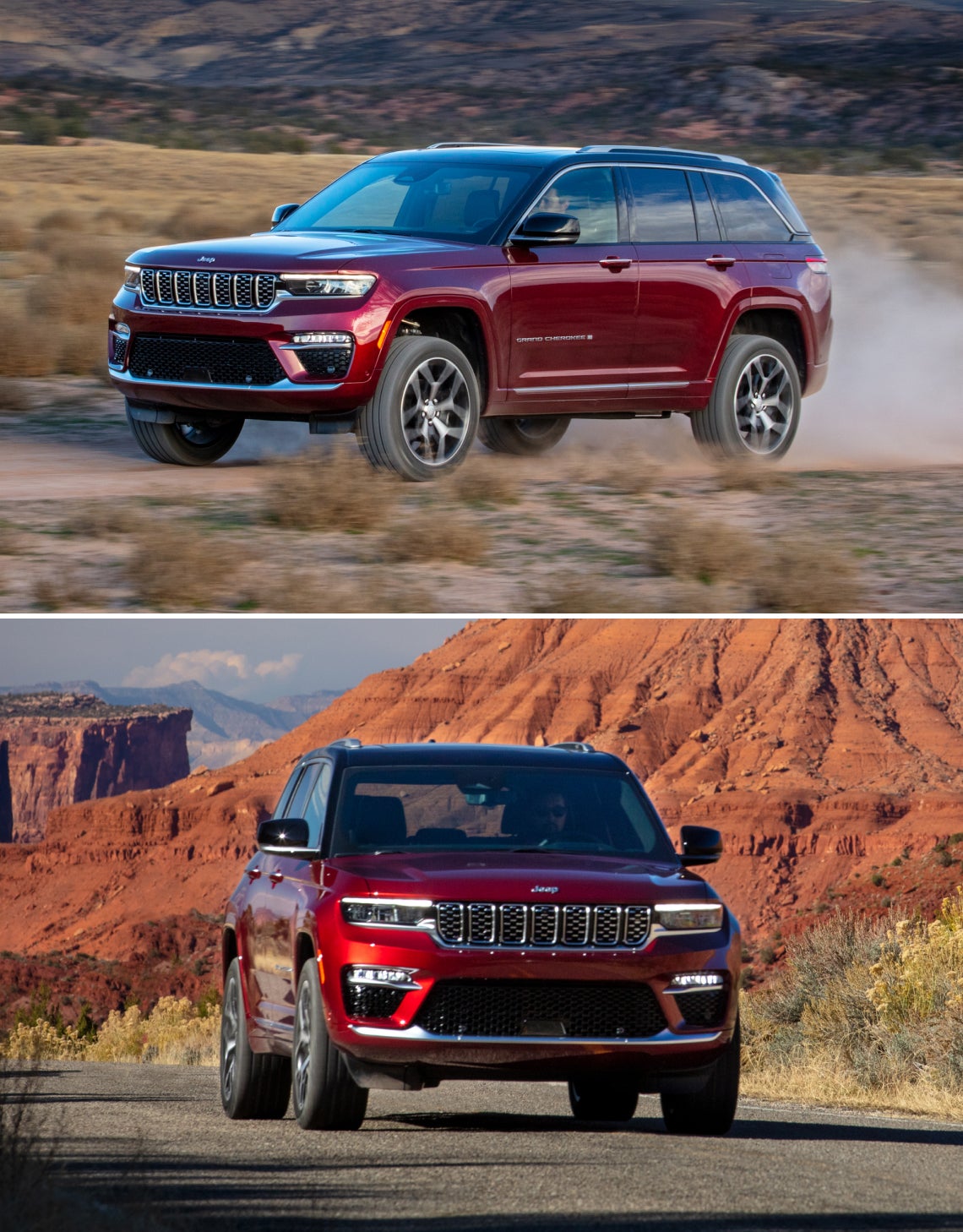
An insight many owners overlook: Using roof racks or carrying gear on top can decrease your highway MPG by up to 10%. Removing unused racks and heavy items can make a visible difference.
How To Maximize Your Jeep Cherokee Mpg
If you want to get the best possible miles per gallon from your Cherokee, follow these tips:
- Drive smoothly. Gentle acceleration and braking use less fuel.
- Keep tires inflated to the recommended pressure.
- Stick to regular maintenance. Change oil, air filters, and spark plugs as the manual suggests.
- Limit idling. Turn off your engine if you’ll be stopped for more than a minute.
- Use cruise control on the highway to keep speed steady.
- Remove roof racks and heavy items you don’t need.
- Plan your routes to avoid heavy traffic and long idle times.
Some drivers see a 2-3 MPG improvement just by keeping up with simple maintenance and driving habits.
Real-world Mpg: What Owners Report
Official ratings are helpful, but real-world results can be different. Many Jeep Cherokee owners report:
- 2.4L engine: 23-27 MPG on the highway, 19-23 MPG in the city.
- 3.2L V6: 18-22 MPG on mixed roads.
- 2.0L Turbo: 22-26 MPG, especially if driving mostly on highways.
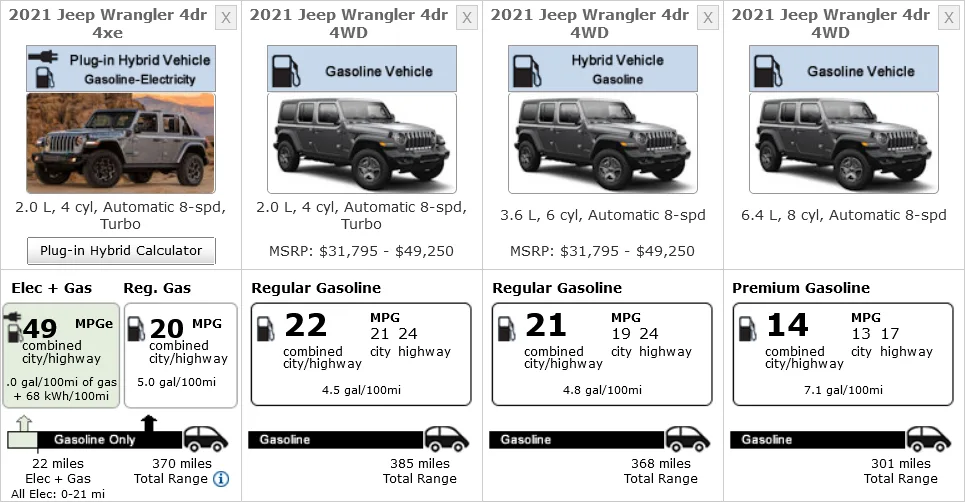
Short city trips usually lead to lower numbers, while careful highway driving can sometimes beat the EPA ratings. For more details on official fuel ratings, check the US Department of Energy site.
Is The Jeep Cherokee Fuel Efficient Enough?
The Jeep Cherokee may not have the highest MPG in its class, but it gives a good mix of power, off-road skill, and comfort. For drivers who want more adventure and towing, the trade-off in fuel economy might be worth it.
If saving gas is your top priority, you might look at hybrid SUVs or smaller engines.
Frequently Asked Questions
How Many Miles Can A Jeep Cherokee Go On A Full Tank?
Most Jeep Cherokees have a 15.8-gallon fuel tank. With an average of 22-25 MPG, you can travel about 350 to 395 miles before refueling. Actual range depends on driving conditions and habits.
Does Four-wheel Drive Lower Cherokee’s Mpg?
Yes, four-wheel drive (4WD) usually lowers MPG by 1-2 points compared to front-wheel drive (FWD). The extra weight and mechanical resistance make the engine work harder.
Which Cherokee Engine Is Best For Fuel Efficiency?
The 2.4L four-cylinder engine is the most fuel-efficient. It’s best for people who drive mostly in the city or on highways and don’t need to tow heavy loads.
How Does The Jeep Cherokee Compare To Hybrids?
Most hybrid SUVs get better MPG than the Cherokee, often reaching 35-40 MPG combined. However, the Cherokee offers more off-road ability and towing strength.
Can I Improve My Cherokee’s Mpg With Modifications?
Some small changes, like using low-resistance tires or a performance air filter, may help a little. But the biggest gains come from maintenance, driving habits, and keeping the vehicle light and aerodynamic.
The Jeep Cherokee’s miles per gallon will depend on your engine choice, driving style, and how you maintain your SUV. While it may not be the most fuel-efficient in its class, it offers a unique balance of performance and adventure that many drivers value.
Make informed choices to get the most out of every gallon.