A Jeep is more than just a vehicle—it’s an icon of adventure and rugged reliability. If you’re thinking about buying a Jeep, or you already own one, you might wonder: How many miles is a Jeep good for?
The answer depends on many factors, but with care, Jeeps can last much longer than most people expect. Let’s look at what affects Jeep longevity, real-world mileages, and what you can do to help your Jeep go the distance.
Typical Jeep Lifespan
Most Jeeps are built to handle tough conditions, from rocky trails to busy highways. For many models, you can expect 150,000 to 300,000 miles with proper care. Some Jeep owners even report mileages above 400,000 miles, though this is less common.
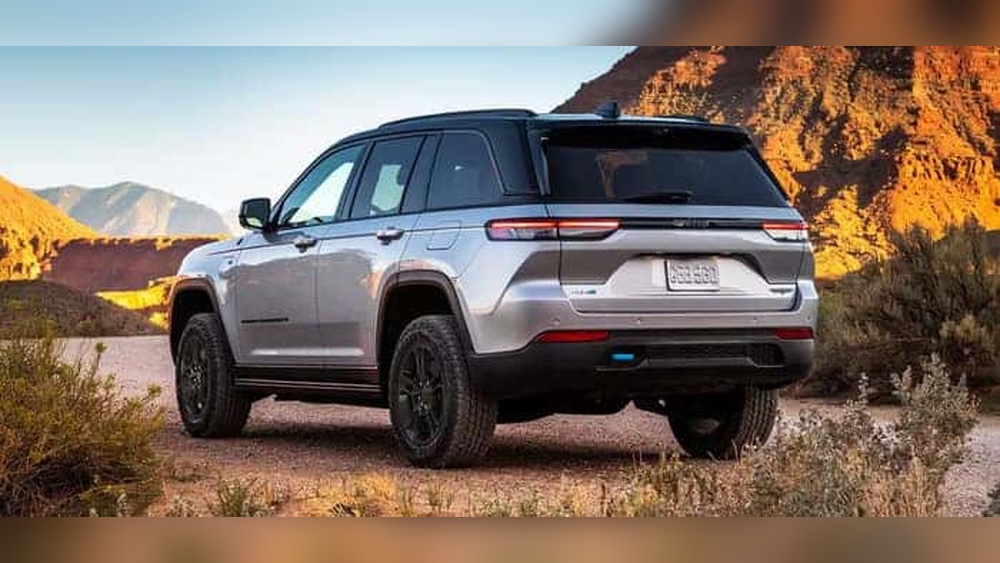
Average Mileage By Model
Different Jeep models have different track records. Here’s a quick look at what you can expect:
| Jeep Model | Expected Lifespan (Miles) |
|---|---|
| Wrangler | 200,000 – 400,000 |
| Grand Cherokee | 150,000 – 300,000 |
| Cherokee | 175,000 – 250,000 |
| Renegade | 100,000 – 200,000 |
| Compass | 150,000 – 200,000 |
Wrangler models are known for their durability, often crossing the 300,000-mile mark with ease. The Grand Cherokee is also a strong performer but may need more attention as it ages.
Factors That Impact Jeep Longevity
A Jeep’s lifespan depends on more than just the odometer. Here are the biggest factors:
- Maintenance: Regular oil changes, fluid checks, and part replacements keep your Jeep running smoothly.
- Driving Habits: Off-roading, towing, or aggressive driving can cause more wear.
- Model and Year: Newer Jeeps often have better technology and build quality.
- Climate: Rust from road salt or moisture can shorten a vehicle’s life.
- Previous Use: Buying used? If a Jeep was used for heavy off-roading, it may have more hidden wear.
Common Jeep Repairs By Mileage
It helps to know what repairs to expect as a Jeep ages.
| Mileage | Typical Maintenance/Repair |
|---|---|
| 0 – 60,000 | Oil changes, tire rotations, basic inspections |
| 60,000 – 120,000 | Brakes, battery, suspension parts |
| 120,000 – 200,000 | Transmission service, cooling system, timing chain/belt |
| 200,000+ | Engine rebuilds, transmission replacement, major rust repair |
Pro tip: Budget for more frequent repairs after 120,000 miles.
How To Make Your Jeep Last Longer
Want your Jeep to reach 300,000 miles or more? Follow these tips:
- Stick to the Maintenance Schedule: Don’t skip recommended services.
- Use Quality Parts and Fluids: Cheap parts can fail early.
- Wash Your Jeep Regularly: This prevents rust, especially if you drive on salted roads.
- Drive Gently: Avoid aggressive starts, stops, and off-roading unless your Jeep is built for it.
- Listen for Unusual Noises: Early repairs can prevent bigger problems.
Many Jeep owners forget that undercarriage cleaning is vital after off-roading. Mud and dirt trapped below can cause rust that spreads fast.
Is High Mileage Bad When Buying A Used Jeep?
High mileage alone isn’t always a problem, especially for Jeeps. What matters more is how the Jeep was cared for.
A well-maintained 200,000-mile Jeep can be more reliable than a neglected 80,000-mile one.
Before buying, ask for:
- Service records
- Accident history
- Inspection by a trusted mechanic
Comparing Jeep Reliability To Other Brands
How Do Jeeps Stack Up Against Other Suvs?
| Brand | Typical SUV Lifespan (Miles) |
|---|---|
| Jeep | 150,000 – 300,000 |
| Toyota | 200,000 – 400,000 |
| Ford | 150,000 – 250,000 |
| Chevrolet | 150,000 – 250,000 |
| Honda | 180,000 – 300,000 |
Jeeps are competitive, especially the Wrangler, but brands like Toyota have a reputation for reaching even higher mileages with fewer repairs.
Real-world Examples
There are plenty of stories about Jeeps going the distance. For example, some Jeep Wrangler owners have reported reaching 400,000 miles with only normal repairs and good maintenance.
On forums and owner groups, you’ll find many Jeeps still running strong after 20 years.
Non-obvious insight: Many high-mileage Jeeps are owned by people who use them regularly, not those who let them sit for months. Regular use keeps seals and fluids in good condition.
Another detail: Jeeps with manual transmissions often last longer than automatics. Manuals are simpler and less likely to fail after high mileage.
Frequently Asked Questions