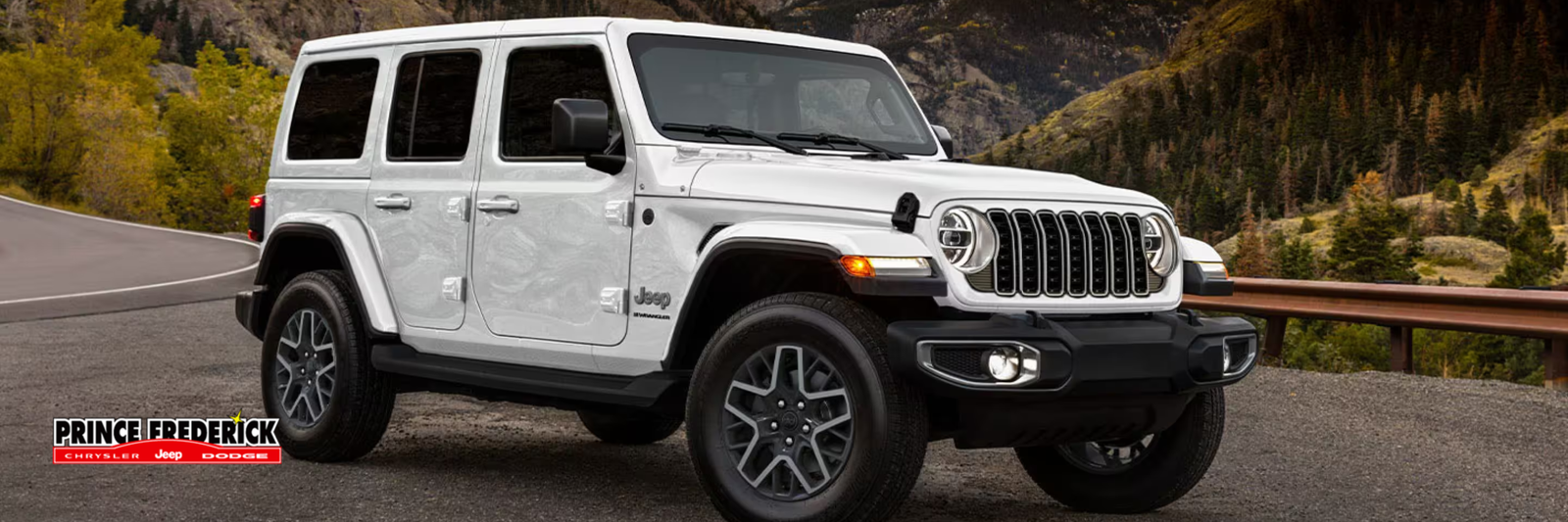
The Jeep Sahara is a popular trim of the Jeep Wrangler, known for its rugged build and adventurous spirit. Many buyers wonder how long these vehicles really last.
Is the Jeep Sahara built for the long haul, or will it struggle after a few years?
If you’re considering buying a Sahara or already own one, understanding its true lifespan is key to making the most of your investment.

Typical Lifespan Of A Jeep Sahara
Most Jeep Sahara models can last between 200,000 and 300,000 miles with regular care. This means, with average driving habits of about 12,000 miles per year, a well-maintained Sahara could serve you for more than 15 to 20 years. However, this number can change based on how you use and maintain your Jeep.
Mileage Data And Real-world Examples
Owners often report driving their Saharas well past 200,000 miles. Some even reach 350,000 miles with few major repairs. Many forums and user groups share stories of Saharas that cross the 250,000-mile mark and are still running strong.
Here’s a look at common mileage milestones:
| Mileage | Condition | Common Repairs |
|---|---|---|
| 50,000 miles | Like new | Basic maintenance |
| 100,000 miles | Reliable | Tires, brakes |
| 200,000 miles | Strong if maintained | Suspension, radiator |
| 300,000+ miles | Possible, less common | Engine rebuild, major parts |
Insight: Many people overlook rust and underbody wear. In wet or snowy climates, these can limit your Jeep’s life more than engine wear.
What Factors Affect Jeep Sahara Longevity?
Several things can shorten or extend your Sahara’s lifespan. Here are the key factors:
- Maintenance: Regular oil changes, tire rotations, and brake checks are vital. Neglecting small issues lets them become big, expensive problems.
- Driving Habits: Aggressive driving, heavy towing, or constant off-roading will wear out parts faster.
- Climate: Rust is a silent killer, especially in regions with salted roads. Washing the undercarriage often can help.
- Quality of Parts: Using cheap or non-OEM parts often leads to more breakdowns.
- Model Year: Newer Saharas benefit from better engineering and materials, but older models are often simpler to repair.
Common Areas Where Issues Occur
While Saharas are tough, there are a few areas to watch closely as your Jeep ages:
| Component | Typical Issue | When to Expect |
|---|---|---|
| Transmission | Slipping, rough shifts | 100,000+ miles |
| Suspension | Bushing wear, leaks | 80,000–150,000 miles |
| Cooling System | Radiator leaks | 120,000+ miles |
| Frame | Rust, corrosion | Depends on climate |
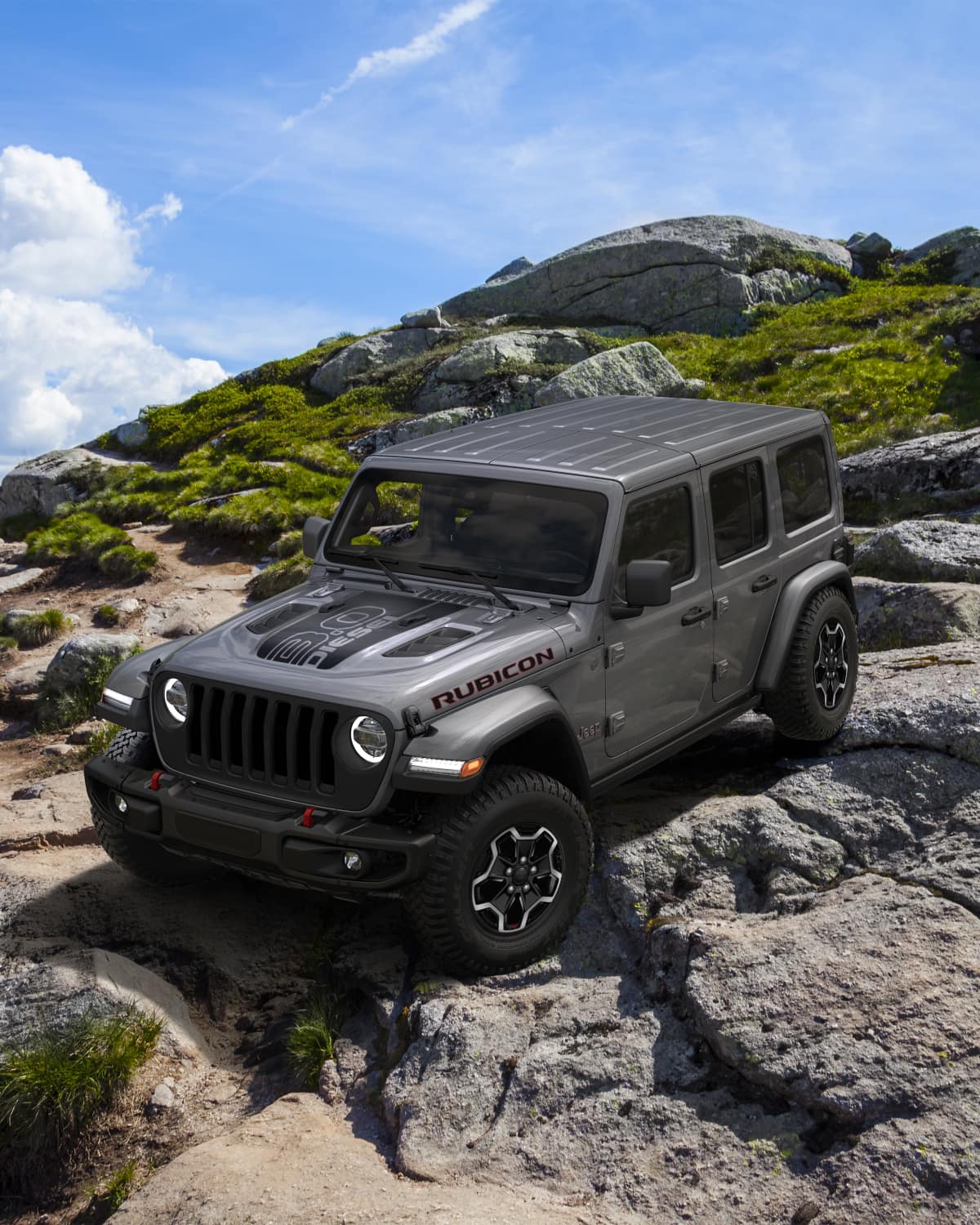
Tips To Make Your Jeep Sahara Last Longer
You can help your Sahara reach the higher end of its mileage potential with a few smart habits:
- Follow the service schedule: Use the maintenance guide in your owner’s manual.
- Wash regularly: Clean the underbody, especially after off-roading or driving in salt.
- Use quality fluids and parts: Stick to Jeep-recommended oils and components.
- Listen to your vehicle: Unusual sounds or vibrations usually mean something needs attention.
- Drive sensibly: Avoid sudden stops, hard acceleration, and frequent short trips.
Non-obvious tip: Many owners forget to check the transfer case and differential fluids. These are vital for 4×4 systems and often neglected.
Jeep Sahara Vs. Other Suvs: How Does It Compare?
How does the Jeep Sahara stack up against other SUVs in terms of lifespan? Here’s a quick comparison:
| Model | Expected Mileage | Reliability |
|---|---|---|
| Jeep Sahara | 200,000–300,000 | High with care |
| Toyota 4Runner | 250,000–350,000 | Very high |
| Ford Bronco | 200,000–250,000 | Moderate |
| Chevy Tahoe | 200,000–300,000 | High |
The Sahara is competitive, especially for drivers who keep up with maintenance. While some brands like Toyota have a reputation for extreme longevity, the Jeep can match or beat them if you treat it well.
One detail many owners miss: upgrading to rust-proofing treatments can add years to your Sahara’s life, especially in northern states. Another: keeping your tires properly inflated not only improves gas mileage but also reduces wear on the suspension and drivetrain.
Also, Saharas with manual transmissions often last longer than automatics, since they have fewer complex parts that can fail. If you plan to keep your Jeep a long time, this is worth considering.
Frequently Asked Questions