When you see the gas light turn on in your Jeep Compass, your first reaction might be worry. The warning means your fuel is low, but how far can you really go before your tank is empty? Many drivers aren’t sure if they have a few miles or a lot. Understanding this can help you avoid getting stranded and manage your trips better. Let’s explore how many miles you can drive after the gas light comes on in a Jeep Compass, what affects this range, and smart ways to stay safe.
What Does The Gas Light Mean?
The gas light on your Jeep Compass signals that your fuel level is low—usually when there’s about 2 gallons (sometimes less) left in the tank. The purpose of this warning is not to tell you the exact mileage remaining but to alert you to refill soon. Most Jeep Compass models (from 2017 and newer) have a 13.5-gallon fuel tank.
When the light comes on, your driving range depends on your car’s fuel economy and driving conditions. For the Jeep Compass, the average fuel economy is around 22 miles per gallon (MPG) in city driving and 31 MPG on highways.
Estimated Miles After Gas Light: Jeep Compass
You can use some simple math to estimate how far you can drive after the gas light turns on:
| Fuel Left (Estimate) | City MPG | Highway MPG | City Miles Left | Highway Miles Left |
|---|---|---|---|---|
| 2 gallons | 22 | 31 | 44 | 62 |
| 1.5 gallons | 22 | 31 | 33 | 46 |
| 1 gallon | 22 | 31 | 22 | 31 |
Most Compass owners report that after the gas light comes on, they can drive between 25 and 40 miles in normal conditions. This is a safe estimate if you’re driving in mixed city/highway routes. However, this number can change based on many factors.
Factors Affecting Miles After Gas Light
Several things affect how far you can drive after the gas light comes on:
- Driving habits: Speeding, rapid acceleration, and heavy braking use more fuel.
- Route type: Highway driving is more efficient than city driving.
- Weather: Cold weather and air conditioning reduce fuel economy.
- Vehicle load: Carrying extra weight lowers your MPG.
- Tank size: Older models or special editions may have slightly different tank sizes.
Here’s a quick comparison of how different situations affect your range:
| Condition | Estimated Miles After Gas Light |
|---|---|
| Highway, light load | 40-62 miles |
| City, heavy traffic | 20-35 miles |
| Cold weather, city | 15-25 miles |
| Mountain roads | 18-30 miles |
Many drivers miss the impact of weather and traffic. For example, idling in traffic or using heat/AC can lower your range more than you expect.
Real-world Examples
Let’s look at some actual reports:
- A 2021 Jeep Compass owner drove 32 miles after the gas light, city roads, and still had fuel left.
- Another driver with a 2018 Compass made it 38 miles on highways before refueling.
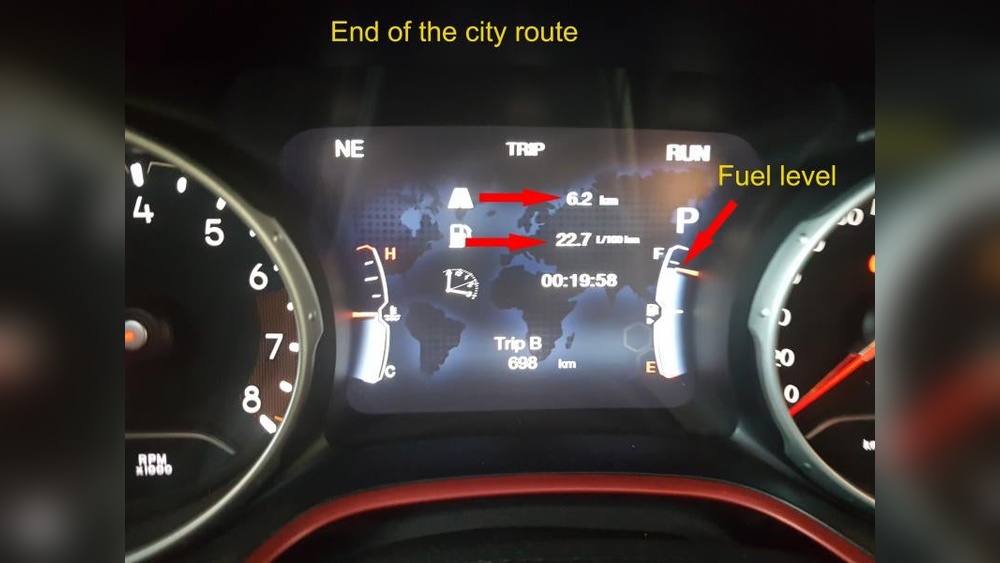
- Some users shared that the car’s trip computer showed “0 miles to empty” but their vehicle still ran for another 5–10 miles, though this is risky.
The trip computer can help estimate your remaining range, but it’s not always accurate. Jeep’s manual advises refueling as soon as the light turns on.
Risks Of Driving After Gas Light
Driving with the gas light on is possible, but it’s not recommended for long periods. Here’s why:
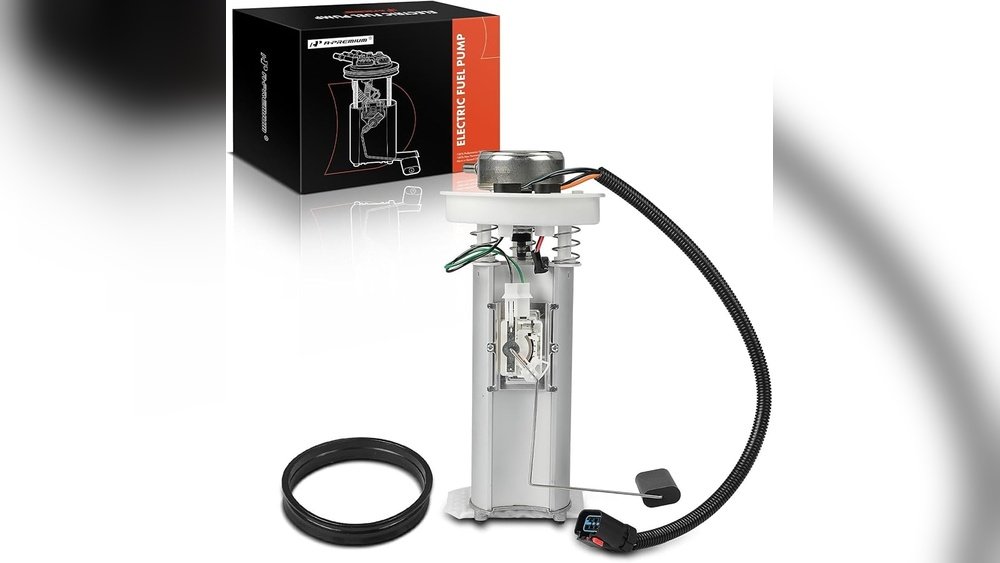
- Fuel pump damage: Running low can cause the pump to overheat or fail.
- Debris in fuel: Sediment at the bottom of the tank can clog filters.
- Unexpected stops: Running out of gas on highways is dangerous.
Not refueling soon can lead to expensive repairs or unsafe situations. It’s smart to find a gas station within 20–30 miles after the light comes on.
Tips For Managing Low Fuel
If your gas light turns on, follow these steps:
- Stay calm: Don’t panic or rush.
- Find a gas station: Use your phone or the car’s navigation.
- Drive efficiently: Avoid speeding, keep steady pace.
- Turn off extras: Limit AC, heated seats, and other power drains.
- Avoid heavy traffic: If possible, pick routes with fewer stops.
Here are some practical actions to stretch your remaining fuel:
- Remove unnecessary weight
- Close windows to reduce drag
- Avoid sudden stops and starts
Many beginners don’t realize that slow, steady driving can add several miles to your range.

Jeep Compass Fuel Light Vs Other Suvs
How does the Jeep Compass compare to similar vehicles? Here’s a quick look:
| Vehicle | Tank Size (Gallons) | MPG (City/Highway) | Miles After Gas Light |
|---|---|---|---|
| Jeep Compass | 13.5 | 22/31 | 25–40 |
| Honda CR-V | 14 | 28/34 | 30–45 |
| Toyota RAV4 | 14.5 | 27/35 | 35–50 |
| Ford Escape | 15.7 | 27/33 | 40–55 |
The Jeep Compass is competitive, but some rivals offer a bit more range after the gas light.
Frequently Asked Questions
How Many Miles Can I Drive After The Gas Light Comes On In My Jeep Compass?
Most drivers can drive 25–40 miles after the gas light appears, but this depends on your driving style and conditions.
Is It Bad For My Jeep Compass To Drive With The Gas Light On?
Yes, it can cause fuel pump damage and lead to expensive repairs. It’s best to refuel soon after the light comes on.
How Accurate Is The “miles To Empty” Reading?
The trip computer estimate is helpful but not perfect. It’s safer to use it as a guide, not a guarantee.
What Happens If I Run Out Of Gas Completely?
Your Jeep Compass will stall. This can damage the fuel system and leave you stranded.
Always aim to refuel before the tank is empty.
Are There Apps Or Tools To Help Find Gas Stations?
Yes, you can use navigation apps or the Jeep Compass’s built-in system. Apps like GasBuddy or Google Maps are reliable for finding nearby stations.
Knowing how far you can drive after the gas light turns on in your Jeep Compass can save you stress and money. The safe range is 25–40 miles, but always refuel as soon as possible. If you want more details about fuel systems, visit FuelEconomy.gov for official information. Remember, staying prepared is smarter than taking risks.