The Jeep Grand Cherokee is one of the most recognized SUVs in the world. Its strong performance, comfortable ride, and off-road capabilities make it a favorite among drivers.
But if you are thinking about buying one, or just curious about its specifications, you might wonder: How many liters are in a Jeep Grand Cherokee? This could mean the engine size or the fuel tank capacity.
Both are important and affect your driving experience. Let’s break down these details so you know exactly what to expect from different Grand Cherokee models.
Engine Size In Liters: Understanding The Options
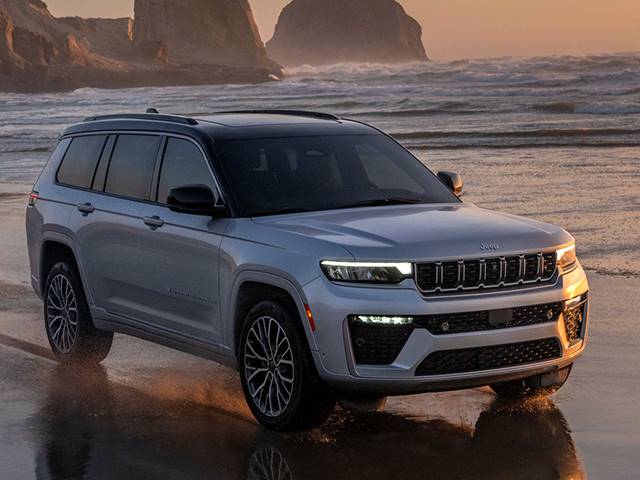
The Jeep Grand Cherokee has been around since 1992. Over the years, it has come with many different engines. These engines are measured in liters, which tells you the total space inside the engine cylinders. A higher number often means more power.
Here are the most common engine sizes you will find in the Jeep Grand Cherokee:
| Model Year | Engine Options (Liters) | Type |
|---|---|---|
| 1993–1998 | 4.0, 5.2, 5.9 | Inline-6, V8 |
| 1999–2004 | 4.0, 4.7 | Inline-6, V8 |
| 2005–2010 | 3.7, 4.7, 5.7, 6.1 | V6, V8 |
| 2011–2021 | 3.6, 5.7, 6.2, 6.4 | V6, V8 |
| 2022–Present | 3.6, 5.7, 2.0 (PHEV) | V6, V8, Turbo I4 |
The most common engines in recent years are the 3.6-liter V6 and the 5.7-liter V8. Some high-performance versions, like the Trackhawk, use a supercharged 6.2-liter V8.
What Does Engine Size Mean For You?
A larger engine (more liters) usually means:
- More power: Faster acceleration and better towing.
- Higher fuel consumption: Bigger engines use more gas.
If you want a balance between power and fuel savings, the 3.6-liter V6 is a popular choice. For off-roading or towing, you might prefer the 5.7-liter or even larger engines.
Fuel Tank Capacity: How Many Liters Can It Hold?
Engine size is just one part of the story. The fuel tank capacity tells you how far you can drive before needing to refuel. This is especially important if you travel long distances or go off-road.
The Grand Cherokee’s fuel tank size has changed over the years and can vary by trim and engine. Here’s a quick look:
| Model Year | Tank Size (Liters) | Notes |
|---|---|---|
| 1993–1998 | 87 | Standard for most trims |
| 1999–2004 | 78 | Some trims have smaller tanks |
| 2005–2010 | 80–87 | Varies by engine |
| 2011–2021 | 93 | Most V6/V8 models |
| 2022–Present | 70–87 | Depends on engine, hybrid smaller |
As an example, the 2023 Jeep Grand Cherokee with a 3.6L engine has about a 87-liter fuel tank. The plug-in hybrid version (4xe) has a smaller tank, around 70 liters, because it also uses electricity.
Why Fuel Tank Size Matters
A bigger tank lets you drive farther without stopping. But, a larger tank also means a heavier vehicle when full, which can slightly reduce fuel efficiency. For most drivers, a tank of 80–93 liters means you can cover 400–700 miles (650–1,100 km) depending on your driving style and the engine.
Comparing Engine And Fuel Tank Combinations
Different Grand Cherokee trims combine engines and tank sizes in unique ways. Here’s a comparison of popular recent models:
| Trim | Engine (Liters) | Fuel Tank (Liters) | Approx. Range (Miles) |
|---|---|---|---|
| Laredo | 3.6 | 87 | 500–600 |
| Limited | 3.6 or 5.7 | 87 | 400–600 |
| Overland | 5.7 | 93 | 400–550 |
| Trailhawk (4xe) | 2.0 (Hybrid) | 70 | 370–470 |
| Trackhawk | 6.2 | 93 | 300–450 |
Tip: The real driving range depends on city vs highway driving, your speed, and even tire pressure. Using official EPA estimates is a good starting point.
Two Insights Most People Miss
- Hybrid Models Have Smaller Tanks: The Grand Cherokee 4xe hybrid uses a smaller fuel tank because part of the energy comes from a battery. If you often drive long distances without charging, you might stop for gas more often than with a standard engine.
- Older Models Can Differ: Some early Grand Cherokees, especially exported models, had different tank sizes to meet local regulations or market demands. Always check your specific model’s manual.
How To Find Your Grand Cherokee’s Exact Capacity
If you already own a Grand Cherokee and want the exact numbers:
- Look for a sticker inside the fuel door. It often lists the tank size.
- Check your owner’s manual for both engine and tank specs.
- Use the Vehicle Identification Number (VIN) to get details from a Jeep dealer.
- You can also find specs for most models on the official Jeep website.
Frequently Asked Questions
How Do I Know Which Engine My Grand Cherokee Has?
Check your owner’s manual or look under the hood for a label. The VIN can also tell you the engine type if you ask a Jeep dealer.
What Is The Largest Engine Ever In A Grand Cherokee?
The supercharged 6.2-liter V8 found in the Trackhawk is the biggest and most powerful engine ever offered in a Grand Cherokee.
Does A Bigger Engine Mean A Bigger Fuel Tank?
Not always. While powerful engines often come with larger tanks, some models (like hybrids) have smaller tanks regardless of engine size.
Can I Upgrade To A Bigger Fuel Tank?
Aftermarket larger tanks are available, but installation can be expensive and may affect your warranty. Always check with a Jeep specialist before making changes.
Is The Fuel Tank Size The Same Worldwide?
No. Some countries have different tank sizes due to regulations or road conditions.
Always verify with the specs for your region.
The Jeep Grand Cherokee offers a range of engine and fuel tank sizes. Knowing these details helps you pick the right model for your needs, whether you want power, efficiency, or long range. Always check the exact specs for your specific year and trim to avoid surprises.