The Jeep Wagoneer is a classic American SUV that has returned with a modern twist. If you’re thinking about buying one, or just curious, you might ask: How many gallons does a Jeep Wagoneer hold?
Understanding the fuel tank size is important, especially if you often drive long distances or want to plan your refueling stops. This article breaks down the facts, explains why tank size matters, and compares the Wagoneer to other large SUVs.
Jeep Wagoneer Fuel Tank Capacity
The Jeep Wagoneer is designed for power and comfort. For its latest models, the fuel tank size is an important feature:
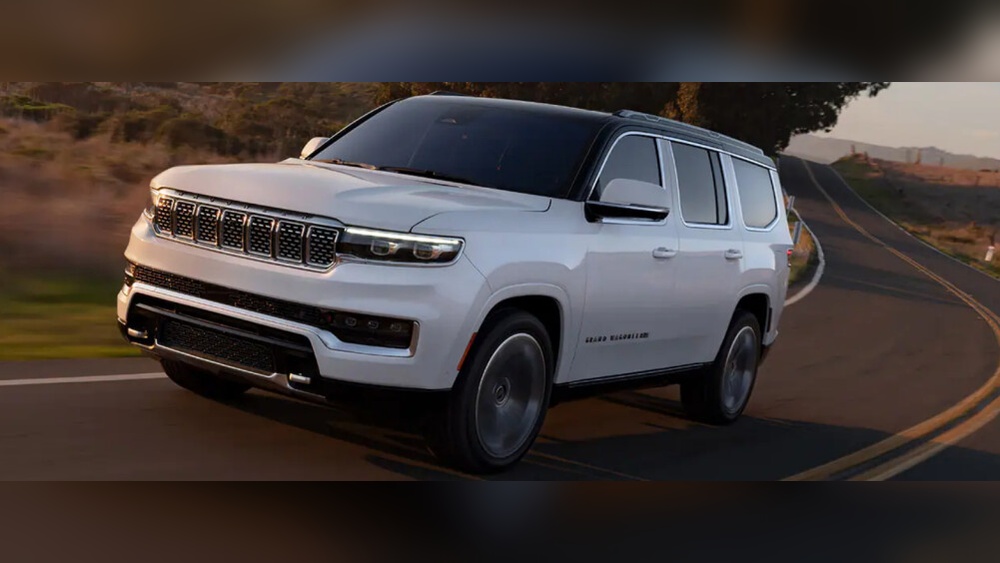
- Standard Wagoneer (2026–2026): 26.5 gallons
- Wagoneer L (long wheelbase): 30.5 gallons
This means the regular Wagoneer holds 26.5 gallons of gasoline, while the larger Wagoneer L holds 30.5 gallons.
Here’s a quick comparison:
| Model | Fuel Tank Capacity (gallons) |
|---|---|
| Wagoneer | 26.5 |
| Wagoneer L | 30.5 |
Most buyers choose the standard Wagoneer, but the long-wheelbase version is popular with larger families or those who need more cargo space.
Why Fuel Tank Size Matters
Knowing your fuel tank capacity isn’t just a fun fact. It affects real-world driving. Here’s why:
- Driving Range: A larger tank means you can drive farther between fill-ups. This matters for road trips or areas with few gas stations.
- Convenience: Fewer stops save time, especially if you drive daily or have a busy schedule.
- Weight and Efficiency: Larger tanks weigh more when full. This can slightly reduce fuel efficiency, especially in city driving.
Many people overlook how tank size changes their driving experience. For example, if you often drive in rural areas, a bigger tank can reduce the stress of finding a gas station.
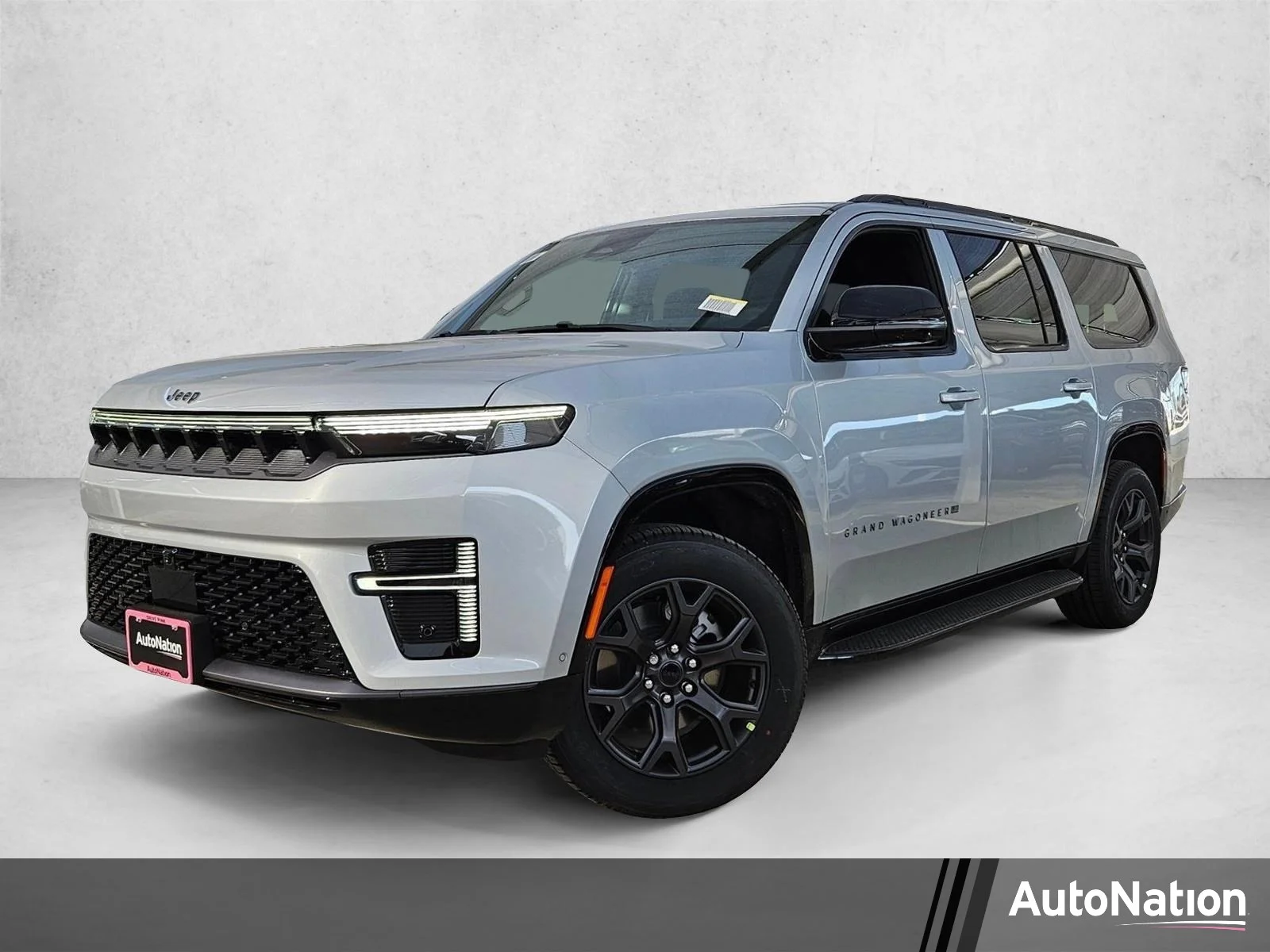
Jeep Wagoneer: Real-world Range
How far can you go on a full tank? The answer depends on fuel economy. The EPA rates the standard Wagoneer at:
- 16 mpg city / 22 mpg highway (2WD, 5.7L V8)
- 15 mpg city / 20 mpg highway (4WD, 5.7L V8)
Let’s do the math:
- City driving: 26.5 gallons × 16 mpg ≈ 424 miles
- Highway driving: 26.5 gallons × 22 mpg ≈ 583 miles
For the Wagoneer L (with the 30.5-gallon tank and a 3.0L Hurricane engine, averaging about 19 mpg combined):
- Combined driving: 30.5 gallons × 19 mpg ≈ 580 miles
This range is competitive among large SUVs. However, your range will be lower if you tow, drive in traffic, or use the air conditioner often.
Wagoneer Vs Other Large Suvs
Is the Wagoneer’s tank size special? Let’s see how it compares to competitors like the Chevrolet Tahoe, Ford Expedition, and Toyota Sequoia.
| Vehicle | Year | Fuel Tank Capacity (gallons) |
|---|---|---|
| Jeep Wagoneer | 2026–2026 | 26.5 |
| Jeep Wagoneer L | 2026–2026 | 30.5 |
| Chevrolet Tahoe | 2026 | 24.0 |
| Ford Expedition | 2026 | 28.3 |
| Toyota Sequoia | 2026 | 22.5 |
The Wagoneer L stands out with one of the largest tanks in the segment. This means better range for long trips, but also higher costs per fill-up.
Filling Up: What To Expect
With a large tank, filling up the Wagoneer can take longer and cost more—especially when gas prices are high. For example, at $3.50 per gallon:
- Standard Wagoneer: 26.5 gallons × $3.50 = $92.75
- Wagoneer L: 30.5 gallons × $3.50 = $106.75
A practical tip: Try not to let the tank get too low before refueling. Running on empty can damage the fuel pump over time. Many owners fill up once the tank drops to a quarter full.
Two Insights Many Miss
- Cargo and Passenger Load Affects Range: If you regularly drive with a full load of people or cargo, your fuel economy will be lower. This means your real-world range will be less than the numbers above.
- Altitude and Terrain Matter: Driving in mountains or at high altitude usually means lower gas mileage, so the “maximum range” becomes harder to achieve.
Many drivers focus only on the size of the tank, not on these practical effects.

Common Mistakes When Considering Fuel Tank Size
- Ignoring Combined Use: If you do both city and highway driving, don’t just look at the highway range.
- Overestimating Range: The EPA ratings are estimates. Real-world conditions like weather, towing, or heavy traffic can lower your actual miles.
- Forgetting Extra Costs: Bigger tanks mean higher fill-up costs, not just longer range.
Maintenance Tips For Your Wagoneer’s Fuel System
- Use recommended fuel: Stick to the octane rating suggested in your owner’s manual.
- Don’t always run on empty: Keeping at least a quarter tank helps the fuel pump last longer.
- Check for recalls: Sometimes, manufacturers issue recalls for fuel system parts. Check your VIN on the official Jeep site.
Routine care helps your Jeep Wagoneer run smoothly for years.