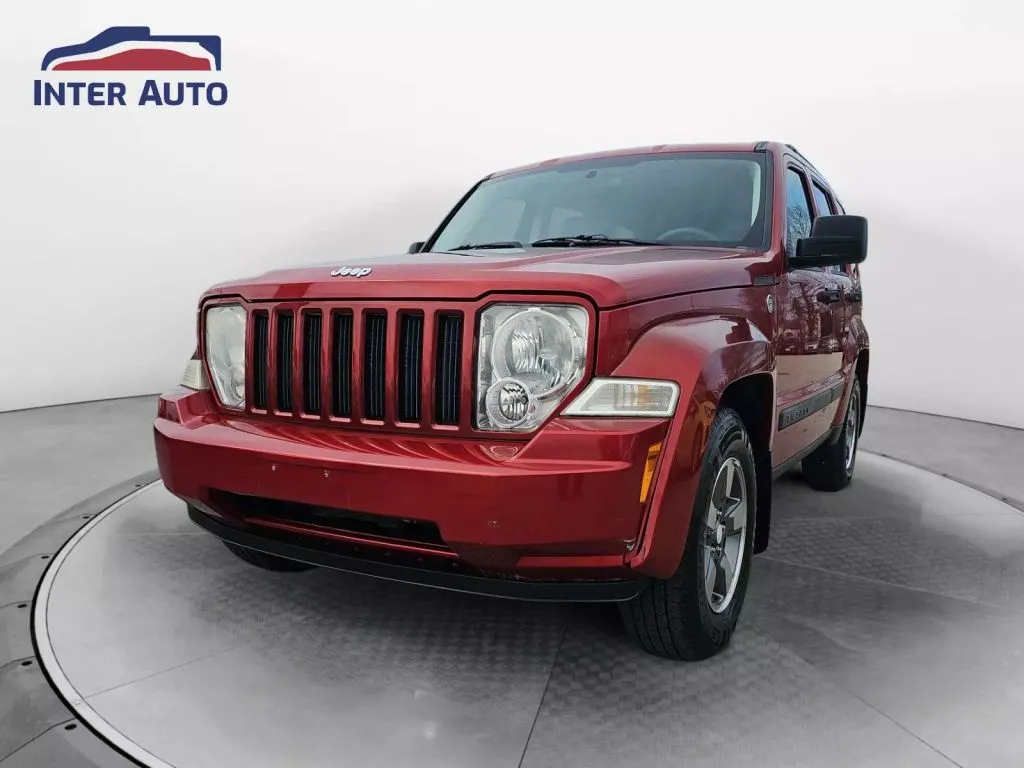
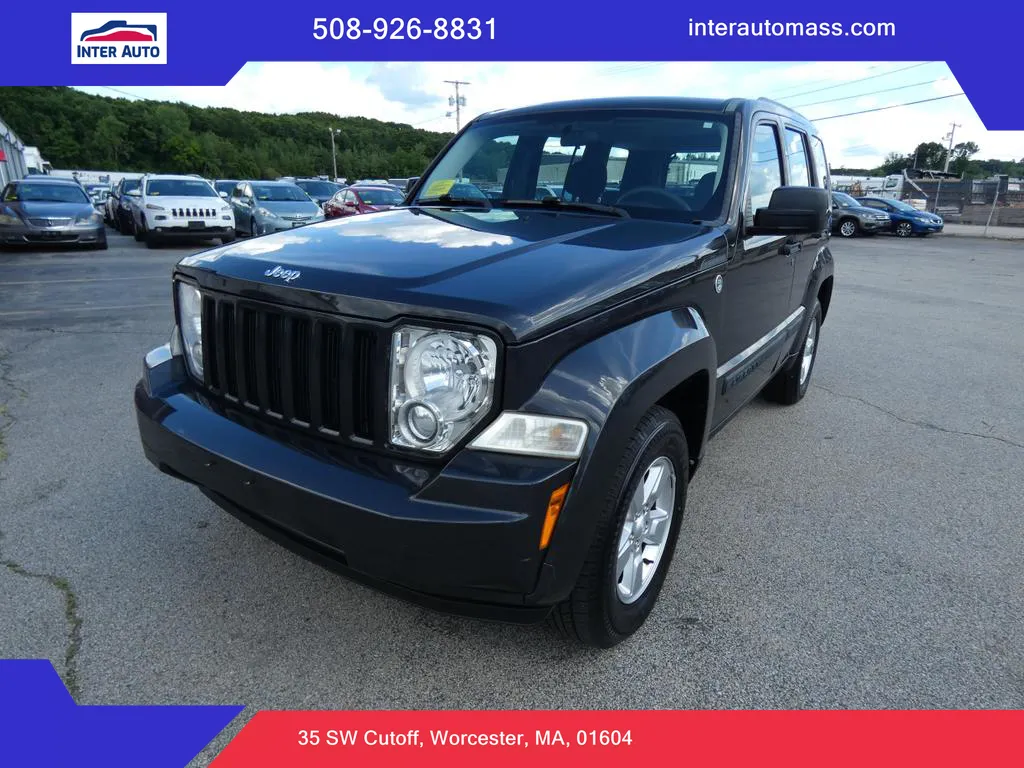
If you drive a Jeep Liberty or are thinking about buying one, you probably want to know how many gallons the fuel tank holds.
This simple detail affects how far you can drive, how much you spend at the pump, and how often you need to refuel.
But the answer isn’t the same for every model year or trim. Let’s explore the facts and numbers that matter, so you can plan your drives with confidence.
Jeep Liberty Fuel Tank Capacity
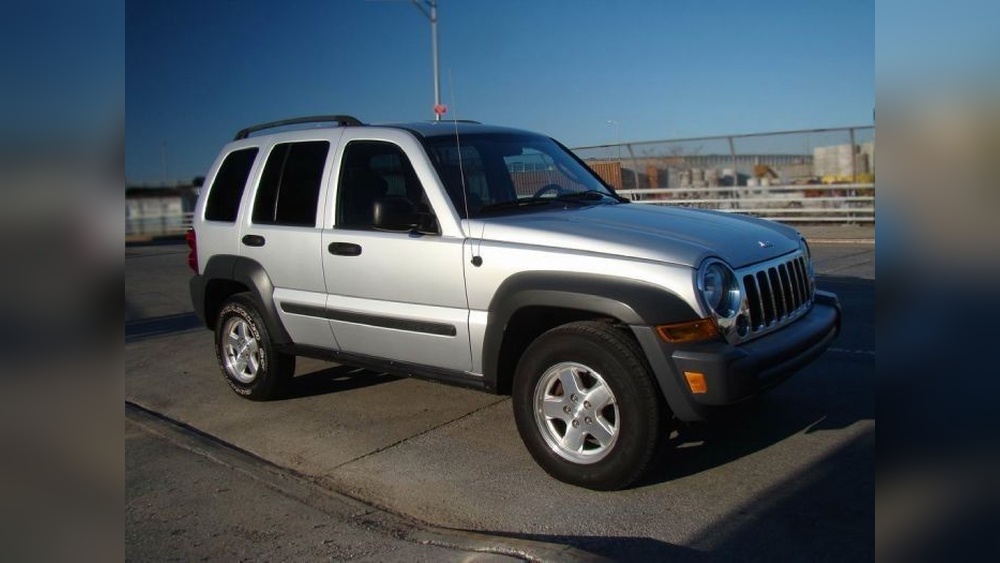
The Jeep Liberty is a compact SUV that was produced between 2002 and 2012. Over those years, Jeep made small changes to the Liberty’s design and features, including the size of the fuel tank. The most common fuel tank size is 20.5 gallons. However, some models have a slightly smaller tank.
Here’s a quick overview of the fuel capacity across different Jeep Liberty models:
| Model Year | Fuel Tank Size (Gallons) |
|---|---|
| 2002-2004 | 18.6 |
| 2005-2012 | 20.5 |
Most Jeep Liberty drivers will find their vehicle holds 20.5 gallons. If you own an older Liberty from 2002 to 2004, you may have the smaller 18.6-gallon tank.
Why Fuel Tank Size Matters
A larger fuel tank means you can drive farther between stops. For people who enjoy road trips or live in rural areas, this is especially important. Let’s break down how the Jeep Liberty’s tank size affects your driving.
1. Driving Range:
The Liberty usually gets between 15 and 22 miles per gallon (mpg), depending on engine type and driving conditions. With a full 20.5-gallon tank, you can expect a range of about 307–451 miles.
2. Refueling Frequency:
If you drive 50 miles daily, you’ll need to refuel about once a week with a 20. 5-gallon tank.
3. Budget Planning:
With gas prices always changing, knowing your tank size helps you estimate your spending. For example, if gas costs $3.50 per gallon, filling up a 20.5-gallon tank costs about $71.75.
Comparing Jeep Liberty To Other Suvs
To see how the Liberty stacks up, here’s a comparison with similar SUVs:
| Vehicle | Fuel Tank Size (Gallons) | Estimated Range (Miles) |
|---|---|---|
| Jeep Liberty (2005-2012) | 20.5 | 307–451 |
| Honda CR-V | 15.3 | 350–430 |
| Toyota RAV4 | 15.9 | 350–445 |
| Ford Escape | 17.5 | 350–420 |
The Jeep Liberty has a larger tank than many competitors, but its fuel economy is a bit lower. This means you carry more gas, but the range is similar.
How To Check Your Jeep Liberty’s Tank Size
If you’re unsure about your Liberty’s exact fuel tank size, there are a few ways to check:
1. Owner’s Manual:
Find the specifications section in your manual. It lists the fuel tank capacity.
2. Fuel Door Sticker:
Some Liberties have a sticker near the fuel door showing tank size.
3. Vin Lookup:
Enter your Vehicle Identification Number (VIN) on Jeep’s official website or a VIN decoder. This gives you model-specific data.
4. Online Resources:
Official sources like Edmunds provide specs for each year and trim.
Real-world Tips For Jeep Liberty Owners
Knowing the tank size is helpful, but using that info wisely makes a difference. Here are some practical tips:
- Don’t Overfill:
The Liberty’s tank is designed to stop at the maximum fill line. Overfilling can cause fuel leaks or damage.
- Monitor Your Range:
Use the trip meter after each fill-up to track how far you can drive on a tank.
- Keep Some Reserve:
Avoid driving with less than a quarter tank. Running low can stress your fuel pump.
- Use Quality Gasoline:
Stick to recommended octane levels. Lower-quality fuel can reduce your range.
- Check for Recalls:
Some Jeep Liberties had fuel tank recall issues. If you notice leaks or smell gas, check for recalls.
Fuel Economy And Efficiency
Fuel economy affects how many miles you get per gallon, and it varies based on several factors:
- Engine Type:
The Liberty comes with different engines: 2.4L, 3.7L V6, or 2.8L diesel. The V6 uses more fuel.
- Driving Style:
Aggressive acceleration or city driving lowers mpg.
- Tire Pressure:
Low tire pressure reduces efficiency. Keep tires inflated.
- Maintenance:
Regular oil changes and air filter replacements keep your Liberty running well.
Let’s look at the average mpg for each engine type:
| Engine | City MPG | Highway MPG |
|---|---|---|
| 2.4L Inline-4 | 20 | 24 |
| 3.7L V6 | 15 | 21 |
| 2.8L Diesel | 21 | 26 |
Choosing the right engine and maintaining your Liberty will help you maximize your driving range.
Frequently Asked Questions
How Many Gallons Does A 2012 Jeep Liberty Hold?
The 2012 Jeep Liberty has a fuel tank size of 20.5 gallons for all trims.
Is The Jeep Liberty Fuel Tank Bigger Than A Honda Cr-v?
Yes, the Liberty’s tank is larger. The Jeep Liberty holds 20.5 gallons, while the Honda CR-V holds 15.3 gallons.
How Far Can I Drive On A Full Tank In My Jeep Liberty?
Depending on engine and driving conditions, a full tank lets you drive about 307 to 451 miles.
Does The Fuel Tank Size Change By Trim?
No, all trims from 2005 to 2012 have 20.5-gallon tanks. Earlier models (2002–2004) have 18.6-gallon tanks.
What Happens If I Overfill My Jeep Liberty’s Tank?
Overfilling can cause fuel leaks, damage the evaporative emissions system, and waste gas. Always stop when the pump clicks off.
If you understand your Jeep Liberty’s fuel tank size and how it affects your driving habits, you’ll save money, avoid surprises, and enjoy smoother journeys.
Whether you’re planning a long road trip or just daily commutes, knowing these numbers helps you make smart choices.