Many drivers wonder how many batteries power a Jeep Cherokee. This question seems simple, but the answer depends on the model year, engine type, and whether the Cherokee uses extra systems like stop-start technology.
If you’re buying a Jeep Cherokee, maintaining one, or just curious, understanding its battery setup is vital. It helps with troubleshooting, planning maintenance, and avoiding unexpected costs.
Standard Battery Setup In Jeep Cherokee
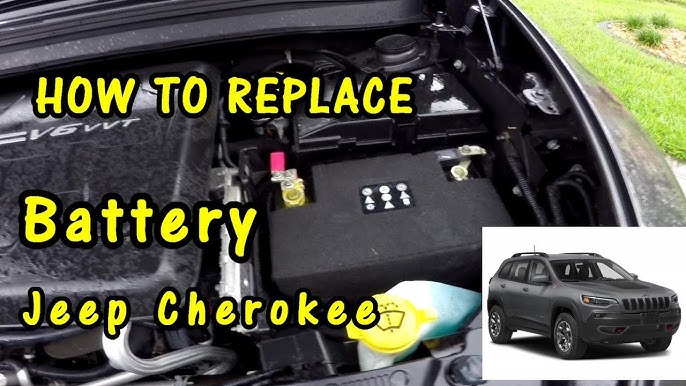
Most Jeep Cherokee models, especially those from 2014 onward, come with a single main battery under the hood. This battery is responsible for starting the engine and running accessories when the car is off. In older Cherokees (pre-2014), the setup remains similar: one main battery designed for engine start and basic electrical needs.
However, modern Cherokees often include advanced features. Some trims and newer models use stop-start systems to save fuel. These systems require extra battery support.
Dual Battery System: Where And Why?
Many Jeep Cherokee models from 2014 and up, especially with the stop-start feature, actually have two batteries:
- Main Battery: Located under the hood, this is the larger battery used for starting the engine and powering main systems.
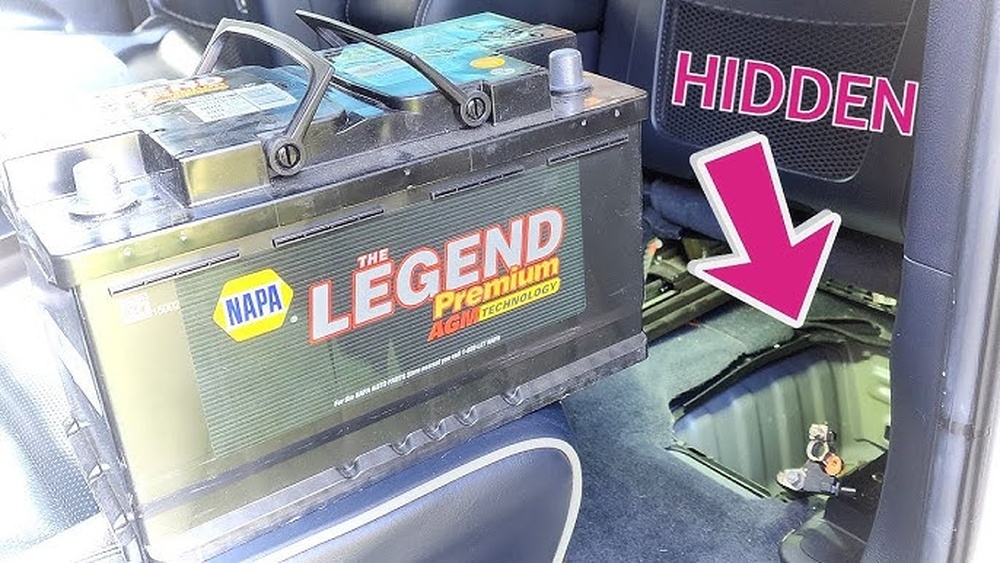
- Auxiliary Battery: Smaller and often hidden, this supports the stop-start system and powers accessories during engine stops.
The auxiliary battery is usually installed in the engine compartment, sometimes under a fuse panel or near the main battery. It’s easy to miss if you don’t know where to look.
Why Two Batteries?
The main battery starts the engine, while the auxiliary battery keeps electronics running when the engine shuts off at a stoplight. This prevents issues like dimmed lights, loss of radio, or trouble restarting. Dual batteries are common in vehicles with stop-start technology.

Battery Details By Cherokee Model Year
To make things clear, here’s a comparison of battery setups for different Jeep Cherokee generations:
| Model Year | Main Battery | Auxiliary Battery | Stop-Start System |
|---|---|---|---|
| 2010–2013 | Yes | No | No |
| 2014–2019 | Yes | Yes (some trims) | Optional |
| 2020–2024 | Yes | Yes (most trims) | Standard/Optional |
Most modern Cherokees, especially those with stop-start, use two batteries. Older models stick to one.
Battery Types And Specifications
The main battery in a Jeep Cherokee is typically a Group 48 AGM (Absorbent Glass Mat) battery. This type offers strong performance and lasts longer, especially with frequent starts and stops. The auxiliary battery is often a Group 400 AGM or similar, smaller in size but built for frequent cycling.
Here’s a quick look at typical battery specs:
| Battery Type | Capacity (Ah) | Voltage | Location |
|---|---|---|---|
| Main (Group 48 AGM) | 70–80 | 12V | Engine compartment |
| Auxiliary (Group 400 AGM) | 12–18 | 12V | Engine compartment |
AGM batteries are more expensive but better for modern electronics. Non-AGM batteries can wear out faster in Cherokees with stop-start.
Common Battery Problems And Replacement Tips
If your Jeep Cherokee has two batteries, both may need replacement eventually. Signs of battery issues include:
- Slow engine start
- Electrical problems
- Warning lights on dashboard
For Cherokees with stop-start, replacing only the main battery can cause the system to malfunction. Always check both batteries. Many owners forget about the auxiliary battery, leading to recurring electrical issues.
Replacement Advice
- Replace both batteries if your Cherokee uses stop-start and either battery is weak.
- Use the correct battery group and type (AGM preferred).
- Check owner’s manual for battery location and specs.
- Disconnect batteries carefully—some Cherokees have complex wiring.
Mechanics sometimes miss the auxiliary battery, so ask specifically about it during service.
Cost And Maintenance
Replacing batteries in a Jeep Cherokee costs more than in basic cars, mainly due to AGM batteries and dual battery setups. The main battery usually ranges from $150 to $250, while the auxiliary battery costs $50 to $120. Labor can add another $50–$100.
Some dealers offer battery checks during routine maintenance. It’s wise to check both batteries every 2–3 years, especially if you drive in extreme temperatures.

Jeep Cherokee Vs Other Suvs
How does the Cherokee compare to other popular SUVs in terms of battery setup?
| Model | Main Battery | Auxiliary Battery | Stop-Start Feature |
|---|---|---|---|
| Jeep Cherokee | Yes | Yes (recent models) | Yes |
| Ford Escape | Yes | No | Yes |
| Honda CR-V | Yes | No | No |
The Jeep Cherokee stands out for its dual battery setup in newer models, which is less common in other SUVs.
Practical Insights Most Owners Miss
Many Cherokee owners don’t realize:
- The auxiliary battery can fail without obvious signs, leading to confusing electrical problems.
- Stop-start issues often point to a weak auxiliary battery, not the main one.
- After battery replacement, some systems might need resetting. This can affect radio, clock, and window controls.
A professional battery check can prevent these surprises. Always ask your mechanic to inspect both batteries.