The Jeep Wagoneer is one of the most recognizable full-size SUVs on the market. Many people ask about its size, especially the length, because it matters for parking, garage fit, and comfort.
Whether you are considering buying or just curious, knowing the exact dimensions helps you understand if the Wagoneer suits your needs.
Let’s explore how long a Jeep Wagoneer really is, compare it with other vehicles, and see what this length means for daily life.
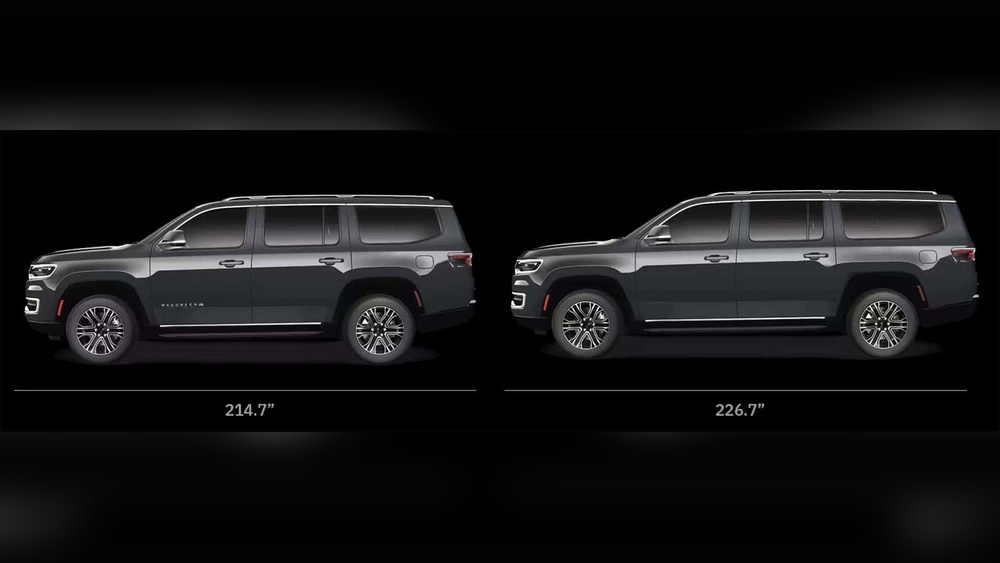
Jeep Wagoneer Length: Exact Numbers
The 2024 Jeep Wagoneer comes in two main versions: the standard Wagoneer and the extended Wagoneer L. Their lengths are:
- Wagoneer: 214.7 inches (about 17.9 feet)
- Wagoneer L: 226.7 inches (about 18.9 feet)
This makes the Wagoneer one of the longest SUVs available. For context, the average sedan is about 190 inches long.
This extra length gives the Wagoneer more space for passengers and cargo.
Standard Wagoneer Vs Wagoneer L
The Wagoneer L is almost a foot longer than the standard model. This difference is mainly in the rear area, providing extra cargo space.
Families and travelers often choose the L for the added room.
Comparing Wagoneer Length To Other Suvs
To help visualize the Wagoneer’s size, here’s a comparison with other popular SUVs:
| Model | Length (inches) | Seats |
|---|---|---|
| Jeep Wagoneer | 214.7 | 8 |
| Jeep Wagoneer L | 226.7 | 8 |
| Chevrolet Tahoe | 210.7 | 7-8 |
| Ford Expedition | 210.0 | 8 |
| Cadillac Escalade ESV | 226.9 | 8 |
As you can see, the Wagoneer L is almost as long as the Cadillac Escalade ESV, which is known for its huge size. The standard Wagoneer is slightly longer than most other large SUVs.

Why Does Length Matter?
The length of the Jeep Wagoneer affects several important things:
- Parking: With almost 18 feet of length, parking in tight spots can be challenging. You need more space than most cars.
- Garage Fit: Many home garages are about 20 feet deep. The Wagoneer L will be a tight fit, especially with other items inside.
- Interior Space: The long body gives more room for passengers, especially in the third row, and extra cargo space.
- Turning Radius: Longer vehicles usually have a wider turning circle, making them less nimble in small spaces.
Practical Example
If you have a standard two-car garage (usually 20 22 feet deep), the Wagoneer L will fit, but there may be little room left for walking or storage. Always measure your garage before buying a large SUV.
Dimensions Beyond Length
The Wagoneer’s size is not just about length. Here are other key measurements:
| Model | Width (inches) | Height (inches) | Wheelbase (inches) |
|---|---|---|---|
| Wagoneer | 83.6 | 75.6 | 123.0 |
| Wagoneer L | 83.6 | 75.8 | 130.0 |
These numbers show the Wagoneer is wide and tall, giving it a strong presence. The wheelbase (distance between the front and rear wheels) is longer on the L, which improves ride comfort and space.
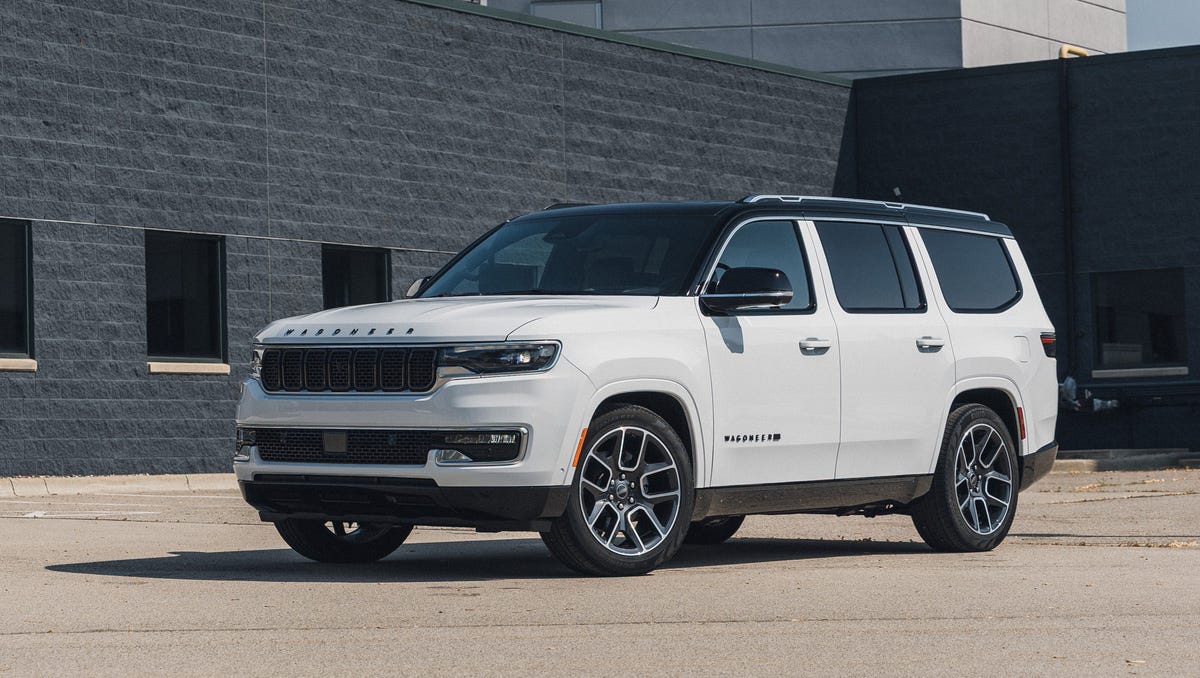
Real-world Impacts Of Wagoneer Length
Owning a long SUV like the Wagoneer changes your daily habits. Here’s what most people don’t expect:
- Finding parking spots is harder in crowded cities. You often need to look for larger spaces.
- Backing up can be tricky since the rear is far from the driver. Good backup cameras help, but the length still matters.
- Turning requires more room. You may need to make wider turns, especially in parking lots.
- Car washes: Some automatic car washes have maximum length limits. Always check before entering.
A useful tip: When traveling or parking, try to find end spaces or places without other cars nearby. This reduces the risk of dings and makes parking easier.
Jeep Wagoneer Length Over The Years
The Wagoneer name has a long history. Older models were much shorter. Here’s a look at the changes:
| Year | Length (inches) |
|---|---|
| 1984 (Classic) | 186.4 |
| 2024 (Standard) | 214.7 |
| 2024 (Wagoneer L) | 226.7 |
The new Wagoneer is almost 30 40 inches longer than the classic models. This reflects modern needs for more space and features.
Non-obvious Insights
Many buyers overlook two important facts:
- Driveway fit: Even if your garage is big enough, your driveway may not be. Measure both before buying.
- Airport parking: Some airport lots charge more or restrict longer vehicles. Check the rules if you travel often.
Another tip: Larger SUVs can cost more to insure because they are bigger and more expensive to repair.
Should You Choose The Wagoneer Based On Length?
If you need lots of space for family, gear, or road trips, the Wagoneer’s length is a big advantage. But if you live in a city with small parking spots, it may be challenging.
Always balance your need for space with your ability to park and drive the vehicle comfortably.
For more details, you can check the official Jeep Wagoneer specs at Jeep Official Site.

Frequently Asked Questions
How Long Is The Jeep Wagoneer In Feet?
The standard Jeep Wagoneer is about 17.9 feet long. The Wagoneer L stretches to 18.9 feet.
Can The Wagoneer Fit In A Standard Garage?
Yes, but it will be tight. Most home garages are about 20 feet deep.
The Wagoneer L leaves little extra space for walking or storage.
Is The Wagoneer Longer Than The Chevrolet Tahoe?
Yes. The Wagoneer (214.7 inches) is longer than the Chevrolet Tahoe (210.7 inches), and the Wagoneer L is much longer.
Does The Length Affect Driving?
Absolutely. The longer body means a larger turning circle, harder parking, and more care needed in tight spaces.
Are Older Wagoneer Models Shorter?
Yes. Classic Wagoneers from the 1980s were about 186 inches long, much shorter than the current models.
The Jeep Wagoneer’s length makes it a leader in space and comfort. If you need a roomy SUV, it’s a strong choice, but always consider your parking and driving needs before deciding.