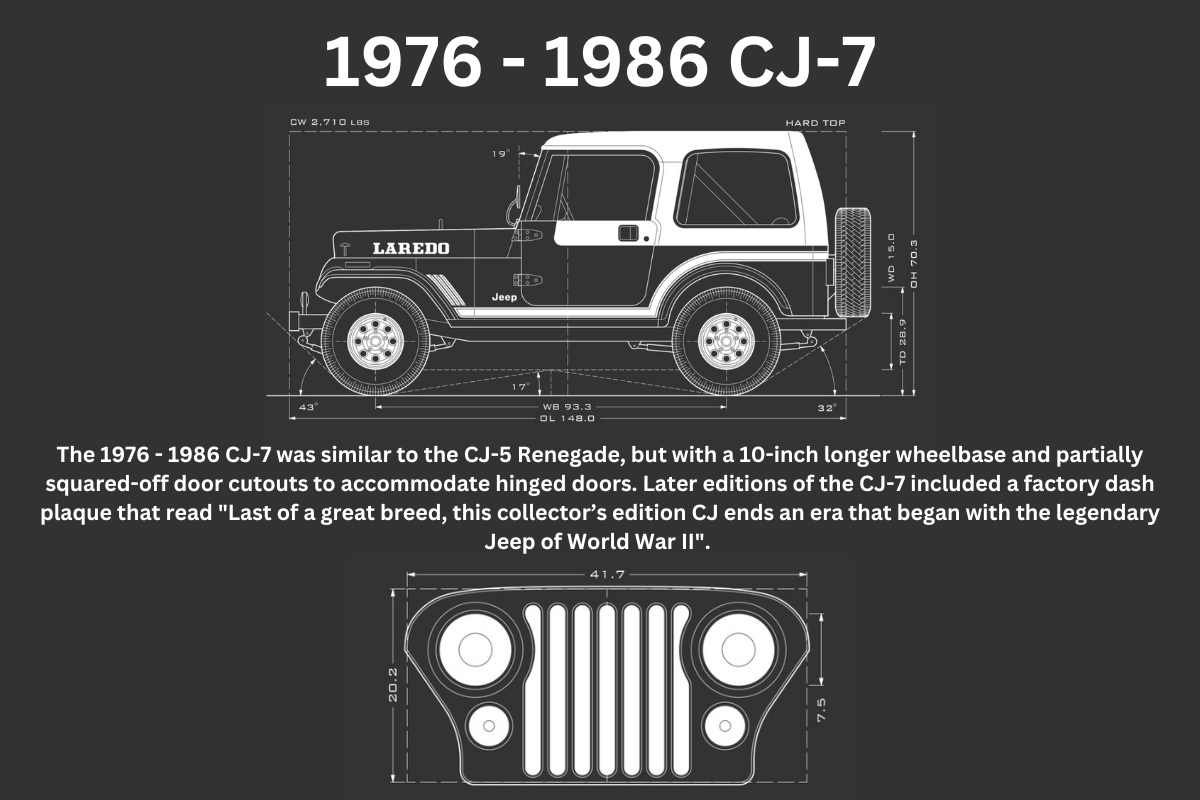
If you love classic off-road vehicles, the Jeep CJ7 is likely on your list. Its rugged design, simple mechanics, and strong history make it a favorite for both collectors and adventurers.
One common question among buyers, restorers, and fans is: How long is a Jeep CJ7? Understanding its dimensions helps with parking, garage storage, modifications, and even trail driving.
In this article, you’ll learn everything you need to know about the Jeep CJ7’s length, including comparisons, variations, and practical advice.
Jeep Cj7 Length: The Official Numbers
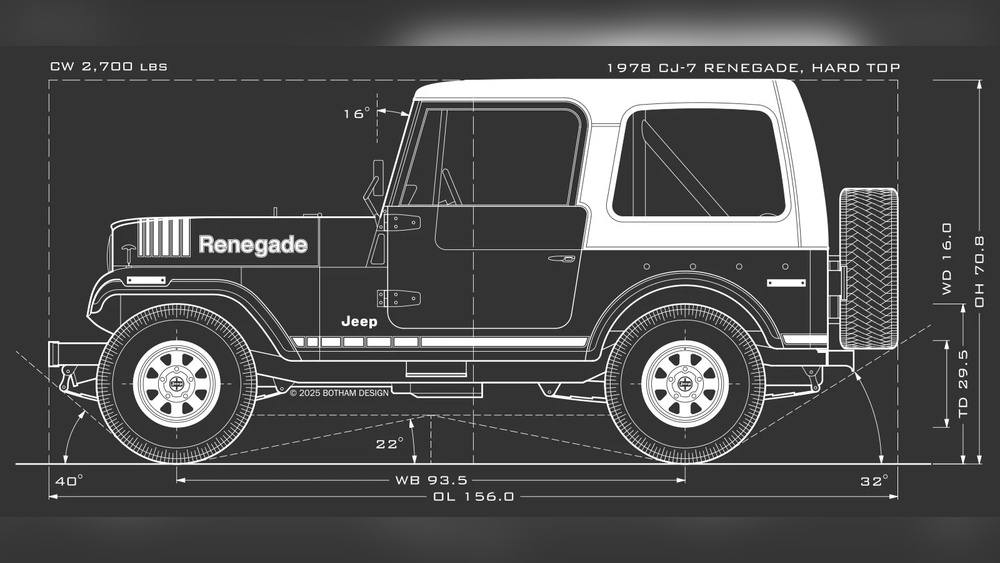
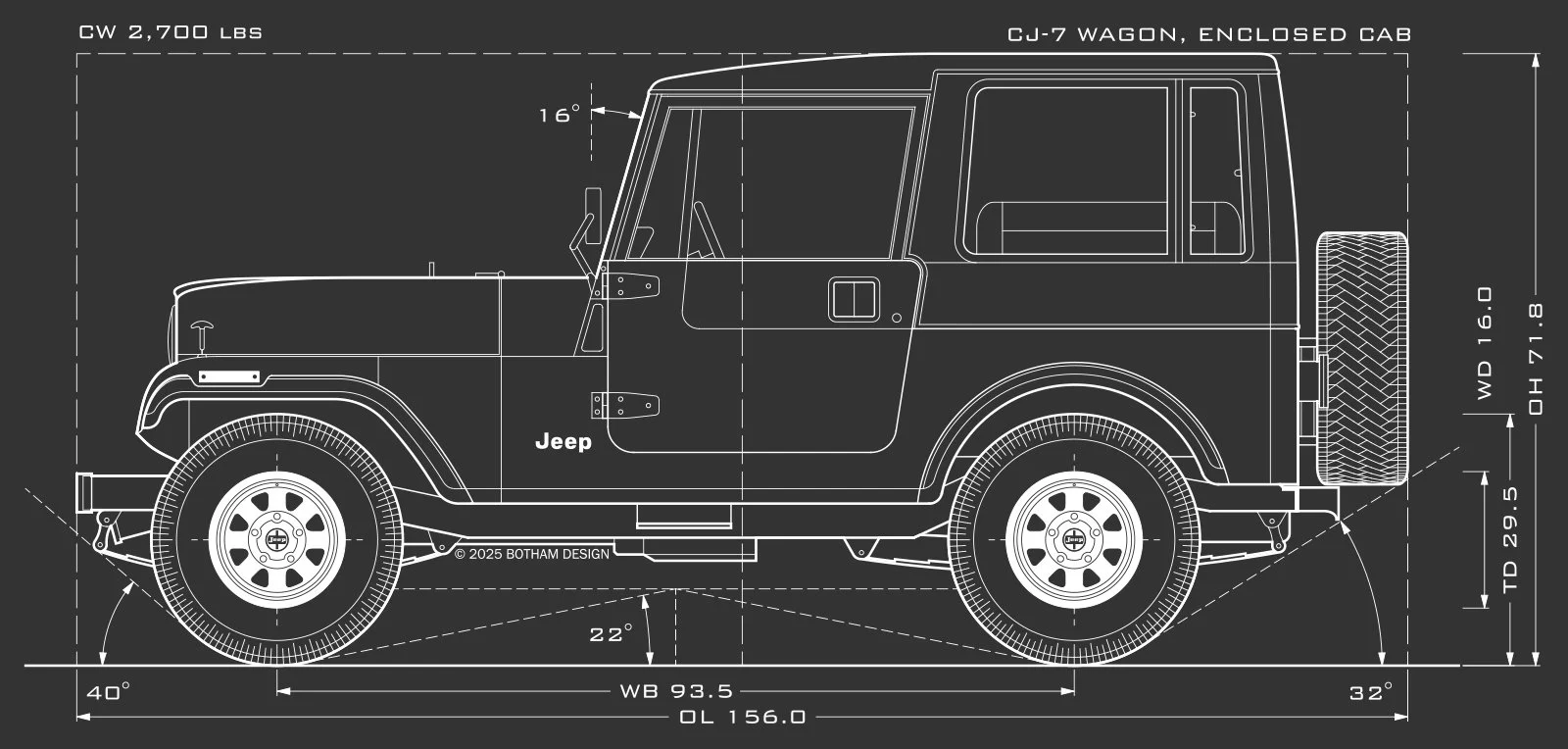
The Jeep CJ7 was produced from 1976 to 1986. It was a step up from the CJ5, offering more comfort and space. The official overall length of the Jeep CJ7 is 152.6 inches (about 12.7 feet). This measurement includes the bumper and is standard for factory models.
Let’s look at how the CJ7’s length compares to other Jeep models:
| Jeep Model | Production Years | Length (inches) |
|---|---|---|
| CJ5 | 1954–1983 | 139.5 |
| CJ7 | 1976–1986 | 152.6 |
| Wrangler YJ | 1987–1995 | 153 |
| Wrangler TJ | 1997–2006 | 155.4 |
As you can see, the CJ7 is noticeably longer than the CJ5. This extra length comes mainly from the extended wheelbase, which improves stability and interior space.
The CJ7’s wheelbase is 93. 5 inches, compared to the CJ5’s 83. 5 inches.
That extra 10 inches makes a real difference in ride comfort, especially for rear passengers or when carrying cargo. If you’ve ever sat in a CJ5, you may remember the cramped feel.
The CJ7’s extra length gives you more legroom and makes fitting gear for camping or trail rides easier.
Another detail many people overlook is how the added length helps on the road. The CJ7’s longer wheelbase reduces the “bounce” effect when driving over bumps, making highway journeys smoother.
This is a big reason why the CJ7 became popular for daily use, not just weekend off-roading.
Why Cj7 Length Matters
The length of the Jeep CJ7 affects several practical areas:
- Garage Parking: At 152.6 inches, the CJ7 fits easily in most standard garages. Always measure your space before buying. If you have a smaller garage or share space, remember to consider not just the CJ7’s length but also the space needed to open doors and walk around the vehicle.
- Trail Handling: Longer vehicles like the CJ7 offer better stability but can be less agile on tight trails. For example, when navigating sharp corners or rocky paths, the extra length can make it harder to maneuver without scraping the rear bumper. Some owners install corner guards to protect against trail damage.
- Modification Options: The CJ7’s extra length means more room for upgrades, like bigger tires or custom bumpers. If you’re planning for a lift kit or want to install a winch, the CJ7 gives you a bit more space to work with compared to older Jeeps.
Many owners overlook how length influences turning radius. The CJ7’s turning radius is about 34.8 feet, which is larger than the CJ5. For city driving or narrow trails, this is something to consider. On urban streets, a wider turning radius can make U-turns or parking in tight spots more challenging. If you’re used to compact cars, the CJ7 will feel different at first.
A subtle but important point: The CJ7’s length also changes the way it climbs and descends slopes. The longer wheelbase helps prevent tipping forward or backward, especially on steep hills. This is why CJ7s are trusted for mountain trails and off-road events.
Variations By Year And Model
While the standard CJ7 is 152.6 inches long, small changes occurred through its production years. Some aftermarket bumpers or tire carriers can add a few inches. Factory hardtops and soft tops do not change the vehicle’s length.
Let’s compare CJ7 trims and special editions:
| CJ7 Trim | Year | Length (inches) | Notes |
|---|---|---|---|
| Base | 1976–1986 | 152.6 | Standard bumpers |
| Renegade | 1977–1986 | 152.6 | Cosmetic upgrades only |
| Laredo | 1980–1986 | 152.6 | Chrome trim, same length |
| Aftermarket | Varies | 153–160 | Custom bumpers, tire racks |
Most length changes are minor and come from owner modifications, not factory adjustments. For example, a heavy-duty rear bumper or swing-out tire rack can add up to 6–8 inches.
Some custom builds even extend the frame for specialized uses, like rock crawling or overlanding.
If you buy a used CJ7, always check for these extras, especially if you plan to park in a tight space or need to fit the Jeep on a trailer.
A non-obvious insight: Even small mods like tow hitches or light bars can change the effective length. It’s wise to include these in your measurements, especially before planning a trip or transporting your CJ7.
Cj7 Vs. Modern Jeep Models
Today’s Jeep Wranglers are larger and heavier. If you’re considering upgrading or switching between models, understanding the size differences is useful.
Here’s a quick comparison:
| Model | Year | Length (inches) | Wheelbase (inches) |
|---|---|---|---|
| CJ7 | 1976–1986 | 152.6 | 93.5 |
| Wrangler JL 2-Door | 2018–Present | 166.8 | 96.8 |
| Wrangler JL 4-Door | 2018–Present | 188.4 | 118.4 |
Modern Jeeps are over a foot longer than the CJ7. This affects handling, parking, and storage.
The 4-door Wrangler is especially large, making it better for families or those who need more cargo space. However, the CJ7’s compact size makes it easier to park in older garages and maneuver in tight spots.
A practical example: If you’re moving from a CJ7 to a new Wrangler, be prepared for the extra length. You may need to clear more space in your garage or change your parking habits. Some owners with classic CJ7s find modern Jeeps feel “bulky” in comparison, especially on narrow trails.

Real-world Advice For Owners
If you’re thinking about buying or restoring a CJ7, here are some practical tips:
- Check Garage Fit: Measure your garage or storage area before purchase. Remember to account for extra length from any mods.
- Watch for Modifications: Aftermarket bumpers, tire racks, and winches can add inches to overall length. Even small accessories can impact storage and transport.
- Trail Use: The CJ7’s length improves stability on slopes but can make tight turns harder. If you plan to drive on narrow forest trails, consider installing rock sliders or corner guards to protect the body.
- Transport: If you plan to trailer your CJ7, make sure your trailer can handle at least 153 inches plus extra for tie-downs. Double-check the height and width, too, since some mods (like roof racks) can change those dimensions.
An often-missed insight: Many CJ7 owners forget to measure their vehicle after installing custom parts. Always check the new length before trailering or parking in tight spaces. If you have custom bumpers or racks, you might need a larger trailer or garage than you expected.
Another tip: If you plan to store your CJ7 in a shared garage, consider the swing of the doors and clearance for walking around. The length is only one part of your space needs. Also, think about where you’ll store extra gear, such as spare tires or tools, which can take up more room.
If you’re restoring a CJ7, keep in mind that original parts and aftermarket accessories may affect the overall length. For example, replica bumpers might be longer than factory parts.
Always check measurements if you want to keep your CJ7 true to original specs or need to meet local vehicle size rules.
Frequently Asked Questions