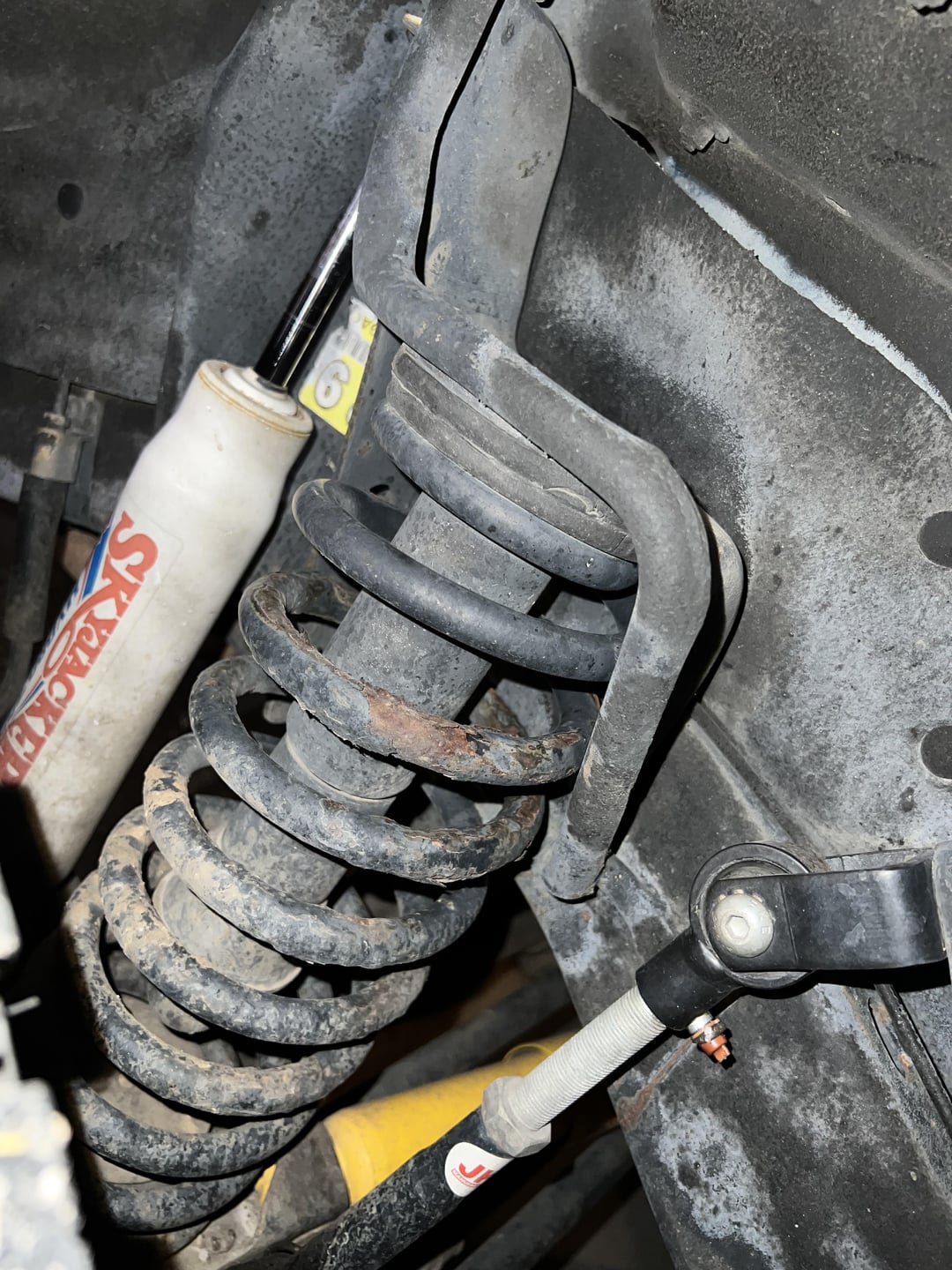
If you own a Jeep, you know it’s built for adventure. But even the toughest vehicles need regular maintenance.
One part that often goes unnoticed is the shock absorber. Shocks play a big role in how your Jeep handles bumps, rough roads, and off-road trails.
If you’re wondering, “How long do shocks last on a Jeep?” you’re not alone.
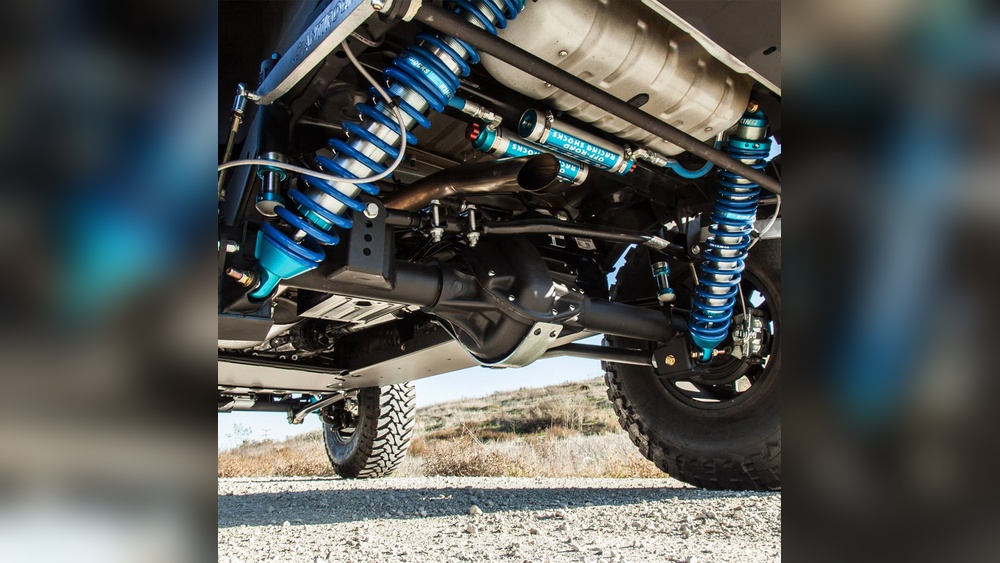
Many Jeep owners ask this question as they plan for repairs and upgrades. Let’s look at how shocks work, how long they typically last, and what signs show it’s time for a replacement.
What Do Shocks Do On A Jeep?
Shocks, or shock absorbers, help control your Jeep’s movement. They manage how your vehicle reacts to bumps, dips, and uneven surfaces. Without good shocks, your Jeep would bounce a lot more, making rides uncomfortable and even unsafe.
Shocks also keep your tires in contact with the ground. This is important for both traction and braking. In short, shocks are not just about comfort—they are critical for safety too.
Average Lifespan Of Jeep Shocks
Most Jeep shocks last between 50,000 and 80,000 miles. However, this is only a guideline. The exact lifespan depends on your driving style, road conditions, and the type of shocks installed.
Here is a quick comparison of typical shock lifespans based on usage:
| Driving Condition | Expected Lifespan |
|---|---|
| Highway/City Driving | 70,000–80,000 miles |
| Mixed (On/Off-Road) | 50,000–70,000 miles |
| Frequent Off-Road | 30,000–50,000 miles |
Real-world example: A Jeep Wrangler that spends most of its time on paved roads may see shocks last up to 80,000 miles. In contrast, a Wrangler used for rock crawling or heavy off-roading might need new shocks after just 35,000 miles.
What Affects Shock Longevity?
Several factors can shorten or extend the life of your Jeep’s shocks:
- Driving Habits: Aggressive driving and fast cornering put more stress on shocks.
- Road Conditions: Potholes, gravel, and unpaved roads wear shocks faster than smooth highways.
- Load Weight: Carrying heavy cargo or towing increases the load on shocks.
- Weather: Corrosive environments (like salty roads in winter) can damage shocks over time.
Here’s a table comparing how different conditions can affect shock life:
| Factor | Impact on Shock Lifespan |
|---|---|
| Heavy Off-Roading | Reduces by up to 40% |
| Frequent Towing | Reduces by 20–30% |
| Daily Highway Use | Normal lifespan |
| Salty/Corrosive Environments | Reduces by 10–15% |
Signs Your Jeep Needs New Shocks
Your Jeep will give you clues when shocks are worn out. Here are the main signs to watch for:
- Bouncing: The Jeep bounces or sways after hitting a bump.
- Nose Dive: The front end dips when braking hard.
- Uneven Tire Wear: Shocks that are not working can cause your tires to wear unevenly.
- Leaking Fluid: Oil around the shock absorber means it’s likely damaged.
- Longer Stopping Distance: Worn shocks reduce braking efficiency.
Non-obvious insight: Sometimes, you might feel more vibration in the steering wheel or hear clunking noises. These are often mistaken for other suspension issues but can also point to bad shocks.
How To Check Your Shocks
You don’t always need a mechanic to spot bad shocks. A simple test is the bounce test:
- Push down hard on one corner of your Jeep.
- Release and watch how many times it bounces.
- If it bounces more than once or twice, the shocks may be worn.
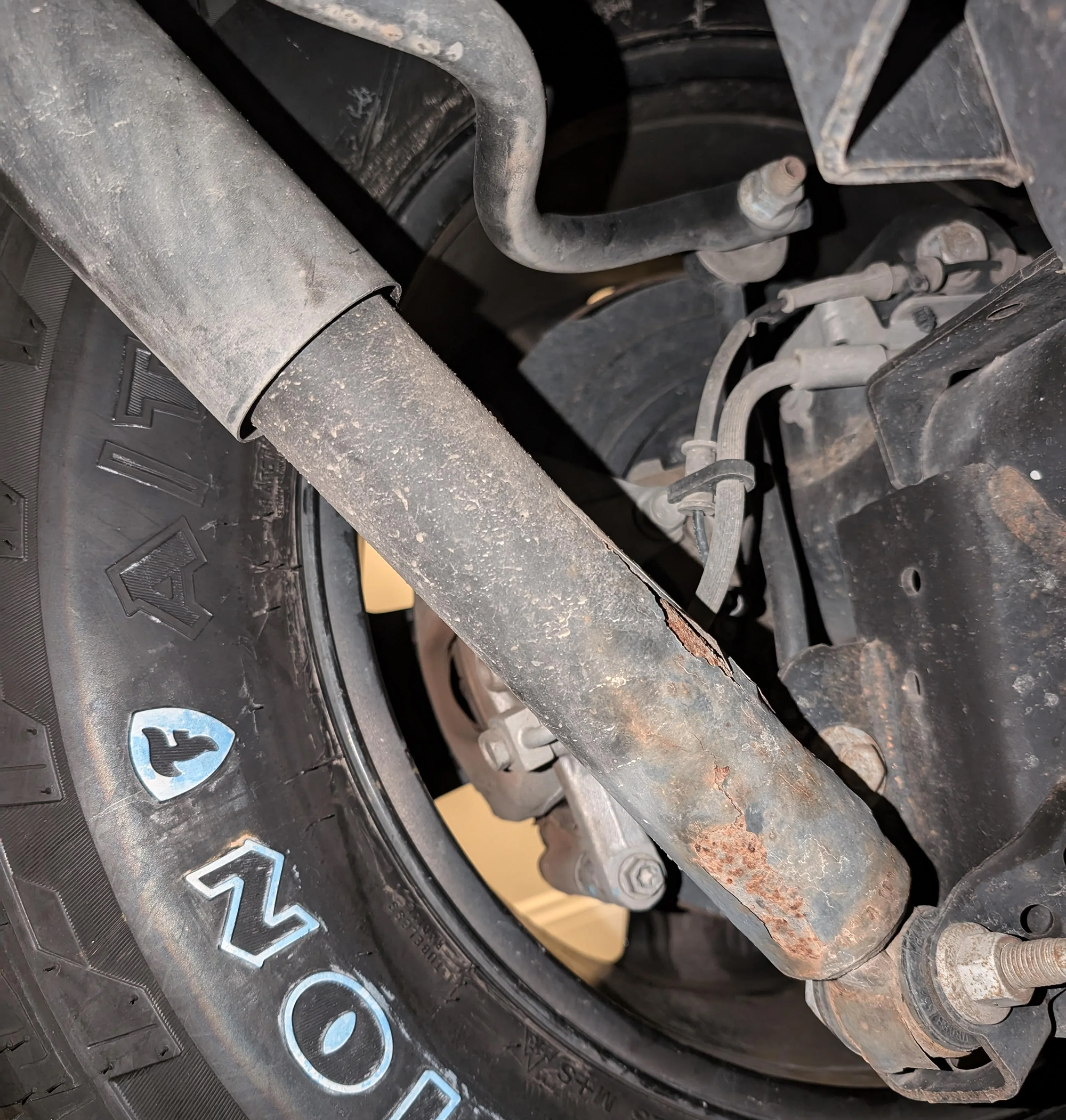
Also, look for physical signs such as dents, rust, or fluid leaks on the shock body. Even if your Jeep feels okay, regular checks every 20,000 miles can help catch problems early.
Should You Upgrade Or Replace With Oem?
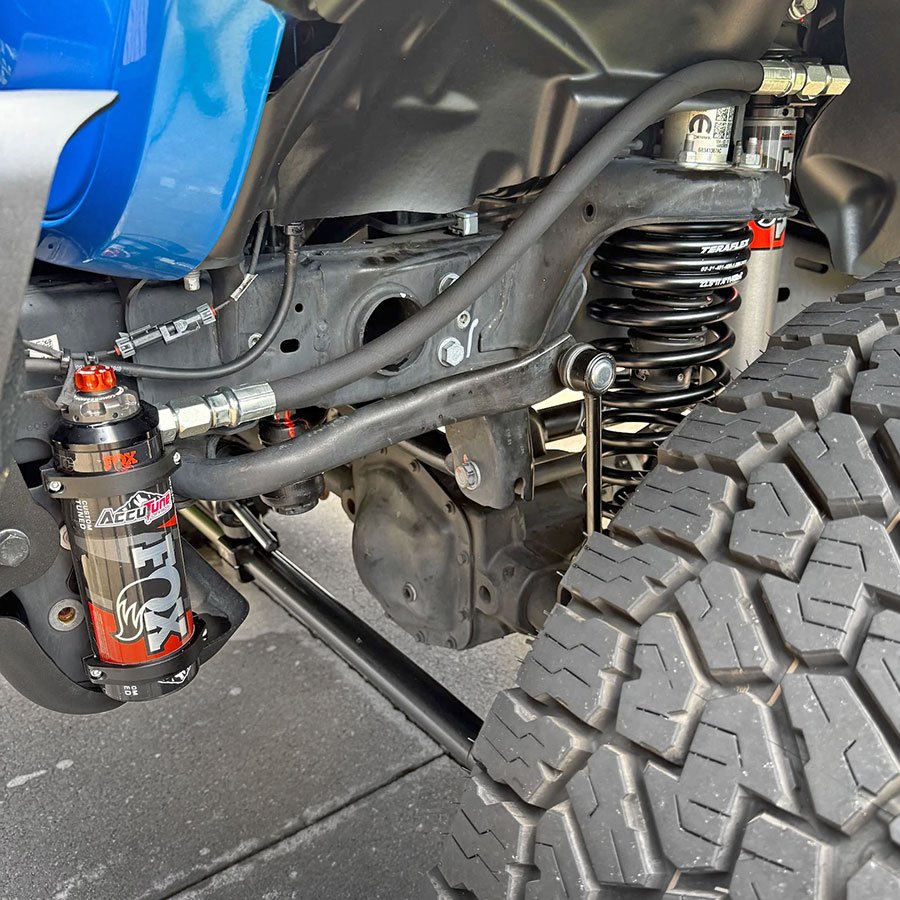
When it’s time to replace shocks, you have two choices: OEM (Original Equipment Manufacturer) or aftermarket upgrades. OEM shocks are designed for typical driving and ride comfort. Aftermarket shocks, like those from Bilstein or Fox, are built for off-road strength and better performance.
Here’s a quick comparison:
| Shock Type | Best For | Cost Range (per shock) |
|---|---|---|
| OEM | Daily driving, light off-road | $50–$120 |
| Upgraded/Performance | Heavy off-road, towing | $100–$300+ |
Practical tip: If you plan to lift your Jeep or add larger tires, always choose shocks designed for those modifications. Standard shocks may not work well with a changed suspension setup.
Why Replacing Worn Shocks Matters
Driving with worn shocks is more than just uncomfortable. It can:
- Reduce your ability to control the Jeep during sudden maneuvers
- Increase stopping distance, raising accident risk
- Cause more wear on tires and other suspension parts
Hidden risk: Many drivers get used to the slow decline in shock performance and don’t notice how much handling has changed until it’s too late.
Frequently Asked Questions