When the fuel light on your Jeep flickers on, it’s a clear signal: you’re running low on gas. For many drivers, this can be a moment of panic, especially if they’re unsure of how much further they can actually go.
The question on everyone’s mind is simple: how long can you drive with the gas light on a Jeep? The answer isn’t a single, fixed number.
It depends on several factors, including your specific Jeep model, your driving habits, and even the terrain you’re traversing.
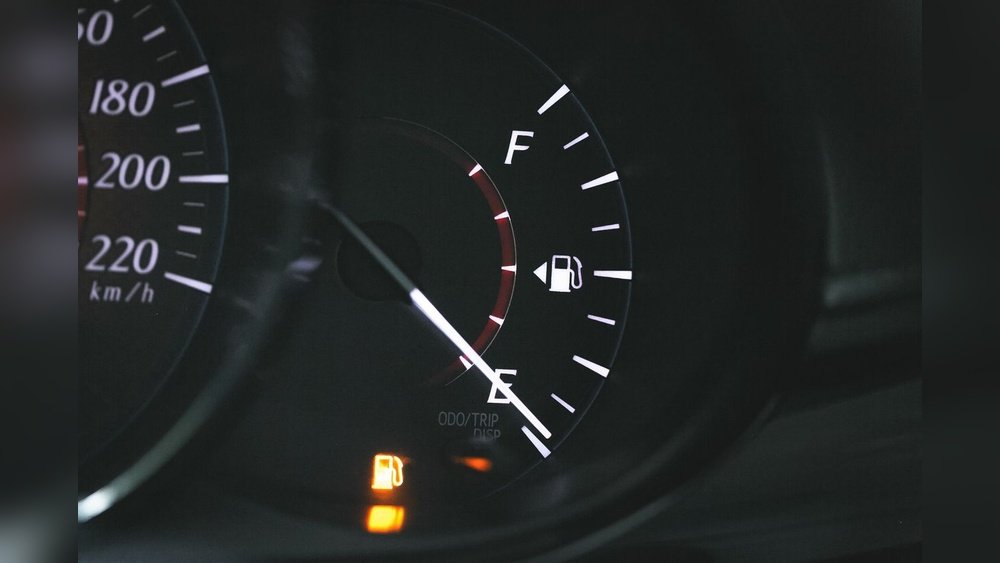
Understanding the reserve fuel in your tank is crucial. The fuel light is designed to give you a warning, not a countdown to an empty tank. However, relying on this warning for too long can lead to serious problems, not just for your driving experience but for the health of your vehicle. This guide will break down what that light means, provide estimates for how far you can go, and explain why it’s never a good idea to push your luck. We’ll look at the typical range for various Jeep models, the science behind fuel gauges and reserve tanks, and the potential risks of running out of gas.
Understanding Your Jeep’s Fuel Gauge And Reserve
Your Jeep’s fuel gauge is not a perfectly precise instrument. It’s an estimation system that relies on a float mechanism inside your fuel tank. This float moves up and down with the fuel level, and its position is translated into a reading on your dashboard gauge. When the float reaches a certain low point, it triggers the fuel light.
This low point is not the absolute bottom of the tank. Automakers design a reserve capacity into the fuel system. This reserve is the amount of fuel left in the tank after the gauge reads empty or the light comes on. The purpose of this reserve is twofold:
- To provide a buffer, preventing drivers from running out of gas unexpectedly.
- To ensure there’s always enough fuel to keep the fuel pump submerged, which is vital for its operation and cooling.
The exact amount of fuel in this reserve can vary significantly. It’s influenced by the overall size of the fuel tank, the calibration of the fuel sending unit, and the specific programming of the vehicle's computer system.
For Jeep vehicles, this reserve is generally substantial enough to offer a reasonable buffer, but it’s not limitless.
How Many Miles Can You Drive On A Full Tank?
Before we discuss the reserve, it’s helpful to know your Jeep’s typical miles per gallon (MPG). This figure is the foundation for estimating how far you can go on a full tank and, by extension, how far you might go on the reserve.
MPG figures are usually provided by the manufacturer, but they are often based on ideal driving conditions. Real-world MPG can be lower due to factors like:
- Driving style: Aggressive acceleration and hard braking consume more fuel.
- Speed: Higher speeds generally lead to lower MPG.
- Terrain: Driving uphill requires more fuel than driving on flat ground.
- Vehicle load: Extra weight increases fuel consumption.
- Tire pressure: Underinflated tires increase rolling resistance and reduce MPG.
- Weather: Cold weather can slightly decrease MPG.
- Engine condition: Regular maintenance ensures the engine runs efficiently.
Let’s consider a few popular Jeep models and their approximate MPG to give you a baseline. These are estimates and can vary:
- Jeep Wrangler (e.g., 4-door, 3.6L V6): Often gets around 17 MPG city / 25 MPG highway.
- Jeep Grand Cherokee (e.g., 3.6L V6): Might achieve around 19 MPG city / 26 MPG highway.
- Jeep Cherokee (e.g., 2.4L or 3.2L V6): Could range from 20 MPG city / 29 MPG highway to 22 MPG city / 31 MPG highway.
These numbers are for a full tank. The reserve calculation comes next.

Estimating Reserve Fuel And Driving Range
The fuel light typically illuminates when there are about 10% to 15% of the fuel tank’s capacity remaining. This is a general guideline for most vehicles, including Jeeps.
To estimate your reserve miles, you need to know your Jeep’s fuel tank capacity. This information can be found in your owner’s manual.
Let’s use an example:
Suppose you drive a Jeep Grand Cherokee with a 24. 6-gallon fuel tank and an average MPG of 22 (a mix of city and highway driving).
- Calculate total range on a full tank:
- 6 gallons 22 MPG = 541.2 miles (approximate total range)
- Estimate the reserve fuel:
Let’s assume the light comes on when 10% of the tank is left.
Reserve fuel = 10% of 24. 6 gallons = 0.
10 * 24. 6 gallons = 2. 46 gallons
3. Estimate Miles On Reserve:
Miles On Reserve = Reserve Fuel Average Mpg
2.46 Gallons 22 Mpg = 54.12 Miles
So, in this example, you might have around 50-55 miles left in the tank once the fuel light turns on.
However, this is a simplified calculation. Here’s why the actual range can differ:
- Gauge Accuracy: Fuel gauges aren’t always perfectly accurate, especially as they approach empty. The last quarter of the tank might not represent a quarter of your total range.
- Driving Conditions: If you’re driving in heavy traffic, stop-and-go conditions, or up steep hills, your MPG will drop significantly. This means you’ll cover fewer miles on your reserve fuel. If you’re cruising on a flat highway, you might get more miles than estimated.
- Fuel Pump Operation: The fuel pump needs to be submerged in fuel to stay cool and function correctly. When the fuel level is very low, the pump can overheat, leading to premature failure.
Range Estimates For Common Jeep Models
While exact numbers are hard to pin down without knowing your specific vehicle and driving conditions, here are rough estimates for how far you might drive once the fuel light comes on for common Jeep models:
- Jeep Wrangler (JL): With a 21.5-gallon tank and assuming a 10% reserve (2.15 gallons), at an average of 20 MPG, you might have around 40-45 miles left.
- Jeep Grand Cherokee (WK2): With a 24.6-gallon tank and a 10% reserve (2.46 gallons), at an average of 22 MPG, you might have around 50-55 miles left.
- Jeep Cherokee (KL): With a 15.8-gallon tank and a 10% reserve (1.58 gallons), at an average of 25 MPG, you might have around 35-40 miles left.
- Jeep Compass: With a 13.5-gallon tank and a 10% reserve (1.35 gallons), at an average of 28 MPG, you might have around 35-40 miles left.
- Jeep Renegade: With a 13.5-gallon tank and a 10% reserve (1.35 gallons), at an average of 27 MPG, you might have around 35-40 miles left.
These are general guidelines. Always consult your owner’s manual for the most accurate information about your specific model’s fuel tank capacity and range.
Why You Shouldn’t Drive On Empty
Pushing your Jeep to drive on a nearly empty tank, even with the light on, is a risky gamble. Several components can be damaged, leading to costly repairs.
Fuel Pump Damage
The fuel pump is located inside the fuel tank and is responsible for sending gasoline to the engine. It relies on the surrounding fuel for lubrication and cooling. When the fuel level drops very low, the pump can suck in air and debris from the bottom of the tank.
- Overheating: Running the pump without sufficient fuel can cause it to overheat, potentially leading to its failure.
- Debris: The bottom of your fuel tank can accumulate sediment and debris over time. When the fuel level is critically low, the pump can ingest this material, clogging its filter or damaging its internal components.
- Costly Replacement: A fuel pump is an expensive part to replace, and this is a very common consequence of consistently running on empty.
Clogged Fuel Filter
As mentioned, the bottom of your fuel tank can contain sediment. When you’re running on fumes, the fuel pump is more likely to draw this debris into the fuel lines. This can quickly clog the fuel filter, which is designed to catch contaminants before they reach the engine. A clogged fuel filter restricts fuel flow, leading to poor engine performance, hesitation, and eventually, stalling. Replacing a fuel filter is usually less expensive than a fuel pump, but it’s still an unnecessary repair.
Engine Stalling And Performance Issues
When the fuel level gets critically low, the fuel pump may not be able to supply a consistent stream of fuel to the engine. This can cause:
- Hesitation: The engine might stumble or hesitate, especially during acceleration.
- Rough Idling: The engine may idle poorly.
- Stalling: The engine can suddenly stop running, particularly if you’re on an incline, braking, or turning. This is extremely dangerous, as it can lead to loss of power steering and braking assist.
Damage To Catalytic Converter
In some cases, severe fuel starvation can lead to catalytic converter damage. If the engine misfires or runs too lean due to lack of fuel, unburned fuel can enter the exhaust system. This can overheat and damage the catalytic converter, another expensive component to replace.
Stranding And Safety Risks
The most obvious risk is simply running out of gas. This leaves you stranded, potentially in an unsafe location.
This can be particularly hazardous on highways, in bad weather, or at night. You’ll need to arrange for a tow or a fuel delivery, which can be time-consuming and costly.

How To Maximize Your Range When The Light Comes On
If you find yourself with the fuel light on and a distance to go, here are some tips to help you maximize your remaining range. These practices reduce fuel consumption.
Drive Conservatively
- Smooth Acceleration and Braking: Avoid sudden starts and stops. Accelerate gently and anticipate stops to coast as much as possible.
- Maintain a Steady Speed: Fluctuating speeds burn more fuel. Try to maintain a consistent speed on the highway.
- Reduce Highway Speed: Driving at higher speeds significantly increases aerodynamic drag and fuel consumption. Slowing down, even by 5-10 mph on the highway, can make a noticeable difference.
Minimize Engine Load
- Turn Off Accessories: Air conditioning, heated seats, and even the radio draw power from the engine, increasing fuel consumption. Turn them off if possible.
- Close Windows: At highway speeds, open windows create drag. Keeping them closed is more fuel-efficient.
Optimize Tire Pressure
- Check Tire Pressure: Ensure your tires are inflated to the recommended pressure. Underinflated tires increase rolling resistance and reduce MPG. This is a good practice always, but especially critical when low on fuel.
Plan Your Route
- Avoid Hills and Headwinds: If you have a choice, take routes that are flatter and potentially more sheltered from wind.
- Minimize Idling: If you anticipate being stopped for more than 30 seconds, it’s often more fuel-efficient to turn off the engine and restart it when you’re ready to go.
Consider The Terrain
- Uphill Driving: This is where your MPG will drop the most. Try to build momentum on flatter ground before approaching an incline.
- Downhill Driving: Let gravity assist you. Shift into neutral or a lower gear (depending on your vehicle and the steepness) to allow the vehicle to coast. Modern Jeeps with engine braking can be very efficient downhill.
Comparing Jeep Models: Fuel Tank Size And Reserve
The size of your Jeep’s fuel tank directly impacts how much reserve fuel you have and, consequently, how many miles you can potentially drive with the light on. Larger tanks mean more reserve fuel.
Here’s a look at the fuel tank capacities for some common Jeep models. Note that these can vary slightly by year and trim level.
| Jeep Model | Typical Fuel Tank Capacity (Gallons) | Estimated Reserve (10% of Tank) |
|---|---|---|
| Jeep Wrangler (JL) | 17.2 – 21.5 | 1.7 – 2.15 gallons |
| Jeep Grand Cherokee | 18.1 – 24.6 | 1.8 – 2.46 gallons |
| Jeep Cherokee (KL) | 15.8 | 1.58 gallons |
| Jeep Compass | 13.5 | 1.35 gallons |
| Jeep Renegade | 13.5 | 1.35 gallons |
| Jeep Gladiator | 22.0 | 2.2 gallons |
These numbers highlight that models like the Grand Cherokee and Gladiator, with their larger fuel tanks, will generally offer a greater absolute reserve of fuel compared to smaller models like the Compass or Renegade. However, remember that MPG also plays a significant role.
A Wrangler with a smaller tank but better MPG might still offer a comparable or even longer range on its reserve than a larger SUV with worse MPG.
For instance, a Wrangler with a 20 MPG average and a 2. 0-gallon reserve could travel approximately 40 miles.
A Grand Cherokee with a 22 MPG average and a 2. 0-gallon reserve could travel approximately 44 miles.
The difference isn't massive, but it underscores the importance of understanding your specific vehicle.
The Role Of The Fuel Sending Unit
The fuel sending unit is a crucial component that works with the float to measure the fuel level. It transmits this information to your dashboard gauge and the vehicle’s computer, which then illuminates the fuel light. The accuracy and calibration of this unit are vital.
- Calibration: Different Jeep models and even different model years can have slightly different calibrations for when the fuel light comes on. Some might be programmed to come on a bit earlier or later relative to the