The Jeep Compass stands out as one of the most talked-about compact SUVs today. Many buyers are curious about its features, real-world performance, and whether it’s worth their money.
If you’re considering the Jeep Compass, it’s important to look at all sides—comfort, safety, reliability, and even what owners say after driving it for years. This article gives you a clear, balanced view of how the Jeep Compass measures up, including non-obvious insights that many reviews miss.
Design And Interior Comfort
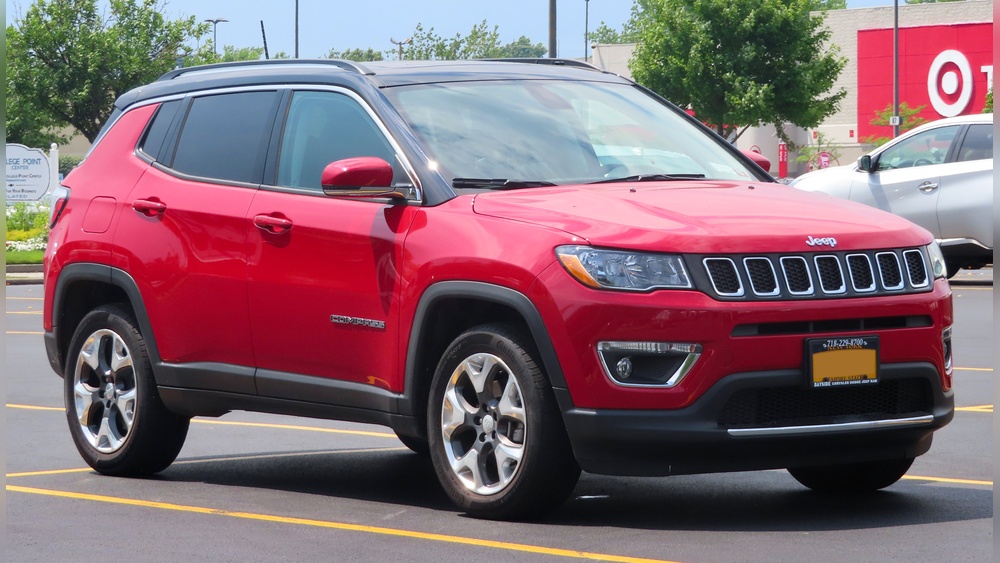
The Jeep Compass brings a rugged SUV look in a smaller, city-friendly size. Its sharp headlights, signature seven-slot grille, and bold stance make it look modern and adventurous. Inside, the Compass surprises many first-time Jeep owners with its upscale feel.
High-quality materials cover most surfaces you touch. The dashboard is simple, with easy-to-read controls.
The seats offer good support for long drives, especially in the higher trims. However, taller adults may find the rear legroom just average.
Cargo space is enough for groceries or small luggage, but it’s not as large as some rivals.
Key Interior Features
- Touchscreen infotainment (7- to 10.1-inch, depending on trim)
- Apple CarPlay and Android Auto support
- Available leather seats
- Dual-zone climate control
- Optional panoramic sunroof
One thing new owners sometimes overlook: the base trim uses more hard plastics, while mid and high trims feel almost luxury-like.
Engine Performance And Fuel Economy
The Jeep Compass focuses more on a balanced drive than raw power. In the US, it comes with a 2.0-liter turbocharged engine (200 horsepower) paired with an 8-speed automatic transmission. This setup delivers smooth city driving and confident merging on highways, but it’s not the fastest in its class.
For daily use, the power is enough, but if you expect sports-car acceleration, you may be disappointed. The real advantage comes in rough conditions, where its off-road capability shines.
Compass Performance Vs. Rivals
Here’s how the Jeep Compass compares to two popular competitors:
| Model | Horsepower | 0-60 mph (sec) | MPG (city/highway) |
|---|---|---|---|
| Jeep Compass | 200 | 7.5 | 24/32 |
| Toyota RAV4 | 203 | 8.0 | 27/35 |
| Honda CR-V | 190 | 7.8 | 28/34 |
The Compass offers solid power but sits in the middle for fuel efficiency. If you want the best gas mileage, some competitors do better.

Off-road Capability
A key reason buyers choose the Compass is its off-road ability. Even the base model comes with higher ground clearance than most rivals, and all-wheel drive is available. The Trailhawk trim brings extra features for serious off-roading:
- Hill descent control
- Skid plates
- All-terrain tires
- Unique suspension tuning
Few compact SUVs can handle dirt, snow, and steep hills as confidently as the Compass Trailhawk. If you live in an area with tough weather or like weekend adventures, this is a big plus.
Safety And Technology
The Compass scores well in safety tests, with top ratings from the IIHS and NHTSA for crash protection. Standard features include:
- Forward collision warning
- Lane keep assist
- Blind spot monitoring
- Rear cross-traffic alert
Higher trims add adaptive cruise control and a surround-view camera. The infotainment system is a highlight, with a responsive screen and simple menus.
Safety Ratings Overview
See how the Jeep Compass compares to two competitors:
| Model | IIHS Rating | NHTSA Overall Stars |
|---|---|---|
| Jeep Compass | Good | 4 |
| Subaru Crosstrek | Good | 5 |
| Mazda CX-5 | Good | 5 |
While the Compass does well, a few rivals get a perfect 5-star rating.
Reliability And Ownership Costs
Reliability is a common question for Jeep vehicles. The Compass has improved in recent years, but it still sits slightly below top rivals in long-term dependability. Regular maintenance is key to avoiding problems, especially with the electronics and transmission.
Insurance and repair costs are typical for the class. Resale value is average—Jeep Compass holds its price, but not as well as a Toyota RAV4 or Honda CR-V. Some owners miss that the Compass needs higher-octane fuel for best performance, which can raise running costs.
Pricing And Value
The Compass is priced to attract both budget and style-focused buyers. Here’s a look at current pricing:
| Trim | Starting Price (USD) | Main Features |
|---|---|---|
| Sport | $28,400 | Basic safety, cloth seats |
| Latitude | $30,600 | Alloy wheels, better infotainment |
| Limited | $34,700 | Leather, heated seats, more tech |
| Trailhawk | $35,500 | Off-road features, unique look |
When you compare features and price, the Compass is competitive, especially for buyers who want a mix of city and off-road use.

Owner Impressions And Common Issues
Many owners praise the Compass for its smooth ride and easy parking. The Uconnect system is rated as one of the best in its class. However, some report issues like:
- Slow acceleration at times
- Occasional electrical glitches
- Slightly noisy engine at high speeds
A non-obvious tip: If you test drive, check for transmission response and infotainment speed. These are the most common sources of owner complaints, especially in older models.
Who Should Buy The Jeep Compass?
The Jeep Compass fits best for:
- Small families who want safety and style
- Drivers who need real off-road ability in a compact size
- Anyone looking for a premium interior feel without luxury pricing
It’s less ideal if you want the most cargo space or the highest reliability scores. For those, a Honda CR-V or Toyota RAV4 may fit better.