For many Jeep Wrangler owners, the idea of lifting their vehicle is exciting. A lift can make your Wrangler look tougher, perform better off-road, and handle bigger tires.
But how high can you actually lift a Jeep Wrangler? The answer depends on several factors—safety, cost, legal rules, and how you want to use your Jeep.

Let’s explore what you need to know before you go big with your Wrangler’s lift.
What Does “Lifting” A Jeep Wrangler Mean?
Lifting a Jeep Wrangler means increasing the height between the chassis and the ground. Most people use a lift kit to raise the suspension or body. The goal is to fit bigger tires, improve ground clearance, and make off-road driving easier. There are two main types:
- Suspension lift: Raises the Jeep’s actual suspension, giving more clearance and improving performance.
- Body lift: Adds spacers between the body and frame. This is cheaper but doesn’t improve ground clearance as much.
Most owners combine both to get the look and performance they want.
Common Lift Heights For Jeep Wranglers
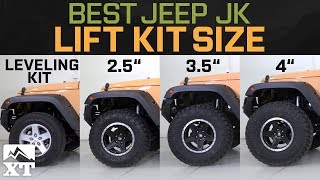
Choosing the right lift height depends on your needs. Here’s a quick overview of the most popular lift sizes:
| Lift Height (inches) | Purpose | Common Tire Size (inches) | Ride Quality |
|---|---|---|---|
| 1-2 | Daily driving, mild off-road | 31-33 | Good |
| 2-4 | Moderate off-road, bigger tires | 33-35 | Fair |
| 4-6 | Serious off-road, rock crawling | 35-37 | Stiff |
| 6+ | Extreme builds, show vehicles | 37+ | Very stiff |
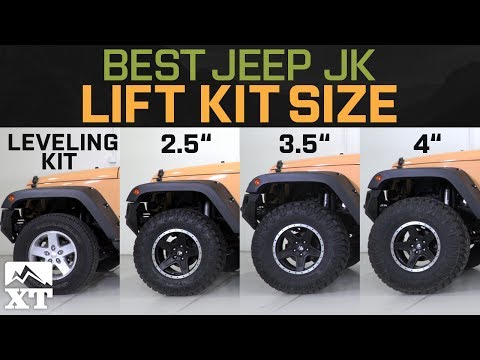
Most Jeep owners lift between 2 to 4 inches. This gives more capability off-road without making the Jeep too tall for everyday use.
How High Is Too High?
You can technically lift a Jeep Wrangler as high as you want, but there are limits. Here’s what you need to consider:
Legal Limits
Each US state has its own laws about vehicle height. Some states limit bumper height or headlight height. For example, in California, the maximum bumper height is 27 inches for vehicles under 4,500 pounds.
Safety Concerns
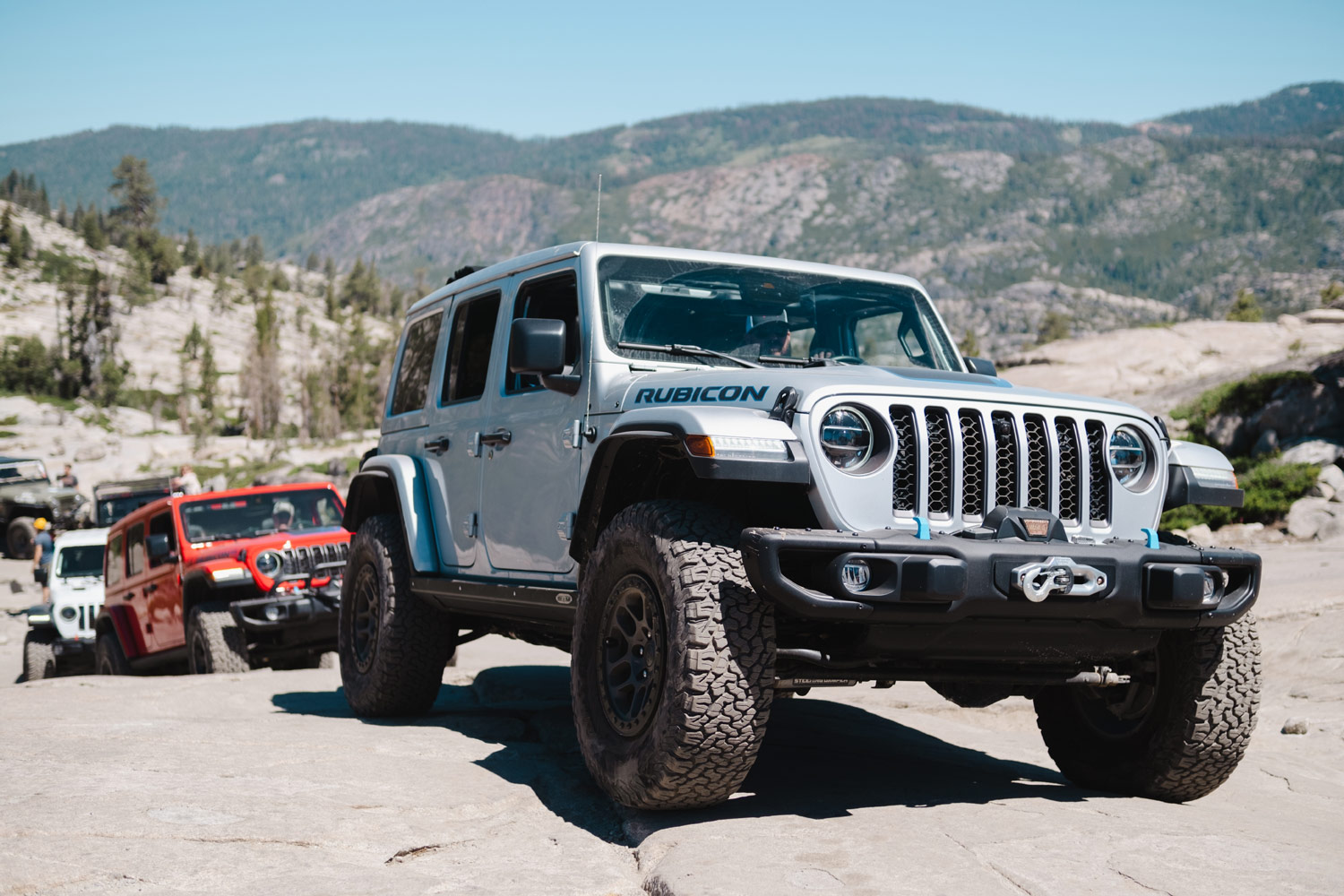
Lifting more than 4 inches can make your Wrangler unstable. It raises the center of gravity, making rollovers more likely. The steering and braking can suffer if not upgraded. Insurance companies may refuse coverage for extreme lifts.
Practical Problems
Higher lifts cause issues like:
- Drivetrain stress: The driveshaft and axles work harder.
- Suspension wear: Parts fail faster.
- Handling: The Jeep may sway or feel loose on highways.
A common mistake is focusing only on the lift height and ignoring upgrades for brakes, steering, and drivetrain.
What You Need For A High Lift
If you want to lift your Jeep more than 4 inches, expect extra work and cost. Here’s what’s usually required:
| Upgrade | Why Needed | Estimated Cost |
|---|---|---|
| Driveshafts | Prevent vibration and joint failure | $400-$800 |
| Brake lines | Longer lines for bigger suspension flex | $100-$200 |
| Control arms | Maintain axle alignment | $300-$600 |
| Steering upgrades | Prevent “death wobble” | $300-$900 |
| Re-gearing axles | Handle larger tires | $1,000-$2,000 |
For lifts above 6 inches, you may need custom fabrication, new axles, and heavy-duty shocks.
Real-world Examples
Some Jeep Wranglers have been lifted over 10 inches for shows or extreme off-roading. These builds are expensive and not street legal in most places. For example, the JK Wrangler can fit up to 37-inch tires with a 6-inch suspension lift, but handling and safety suffer on public roads.
A popular setup is a 3-inch lift with 35-inch tires. This works well for daily driving and most trails. Owners often add adjustable control arms and upgraded track bars for stability.
How To Choose The Right Lift Height
Consider these points before deciding:
- Purpose: Is your Jeep mainly for city driving or tough trails?
- Budget: Higher lifts need more upgrades and money.
- Local laws: Check your state’s rules before lifting.
- Experience level: High lifts are harder to drive and maintain.
If you’re new to Jeep lifts, start small—2-3 inches is safe and affordable. Test your Jeep off-road before going higher. Many beginners don’t realize that tire size matters as much as lift height. A small lift with bigger tires can be more effective than a tall lift with stock tires.
Lift Kits: Brands And Quality
Not all lift kits are equal. Some brands like Teraflex, Rubicon Express, and Skyjacker are known for quality. Cheap kits may cause problems like death wobble or uneven tire wear. Always check reviews and look for kits with good warranty support.
| Brand | Lift Range (inches) | Average Price | Warranty |
|---|---|---|---|
| Teraflex | 2-6 | $300-$2,000 | Limited Lifetime |
| Rubicon Express | 2-5.5 | $350-$1,800 | Limited Lifetime |
| Skyjacker | 2-8 | $400-$2,200 | Limited Lifetime |
A non-obvious tip: Check if the kit includes all needed parts—some “budget” kits skip shocks or track bars, making them incomplete.
Final Thoughts
You can lift a Jeep Wrangler as high as you want, but most experts recommend 2 to 4 inches for balance, safety, and legal compliance. Extreme lifts are possible, but they cost more, require extra upgrades, and can make your Jeep unsafe or illegal for street use. Always plan your lift based on your needs and budget. If you want more technical details, visit the official Jeep website or trusted sources like MotorTrend.
Frequently Asked Questions
How High Can You Legally Lift A Jeep Wrangler?
Legal limits depend on your state. Most places allow lifts up to 4 inches for daily driving. Check local laws before lifting higher.
What Is The Safest Lift Height For A Jeep Wrangler?
The safest height is 2 to 3 inches. This gives enough clearance for bigger tires and mild off-roading without risking stability.
Do I Need To Upgrade Other Parts If I Lift My Jeep?
Yes, for lifts above 4 inches, you must upgrade driveshafts, control arms, and steering. Even small lifts may need longer brake lines.
Will A High Lift Affect My Jeep’s Warranty?
Some lifts may void parts of your warranty, especially suspension and drivetrain coverage. Ask your dealer before installing a lift kit.
Can I Lift My Jeep Myself Or Should I Use A Shop?
Small lifts can be done at home with basic tools. High lifts should be installed by professionals to avoid mistakes and safety issues.