How Heavy Is A Jeep
When people think of Jeeps, they often picture tough vehicles exploring muddy trails or cruising down highways. But how heavy is a Jeep, really?
Understanding the weight of a Jeep is important for many reasons—towing, fuel efficiency, safety, and even off-road performance. The answer depends on the model, year, and equipment.
Let’s break down Jeep weights, what they mean, and why they matter.

What Does Jeep Weight Include?
The weight of a Jeep isn’t just one simple number. When experts or car manufacturers talk about vehicle weight, they use different terms. Here are the most common:
- Curb Weight: This is the weight of the Jeep with all standard equipment, fluids, and a full tank of gas, but without passengers or cargo.
- Gross Vehicle Weight Rating (GVWR): The maximum total weight the Jeep can safely handle, including passengers, cargo, and any accessories.
- Payload: The amount of weight you can add (people and cargo) before reaching the GVWR.
- Towing Capacity: How much the Jeep can pull behind it, not the Jeep’s own weight, but related to strength.
Knowing these terms helps you compare different models and make smart decisions.
Jeep Weight By Popular Models
Not all Jeeps are the same. Here are the average curb weights for some of the most popular models.
| Model | Year | Average Curb Weight (lbs) |
|---|---|---|
| Jeep Wrangler (2-door) | 2024 | 3,970 |
| Jeep Wrangler (4-door Unlimited) | 2024 | 4,449 |
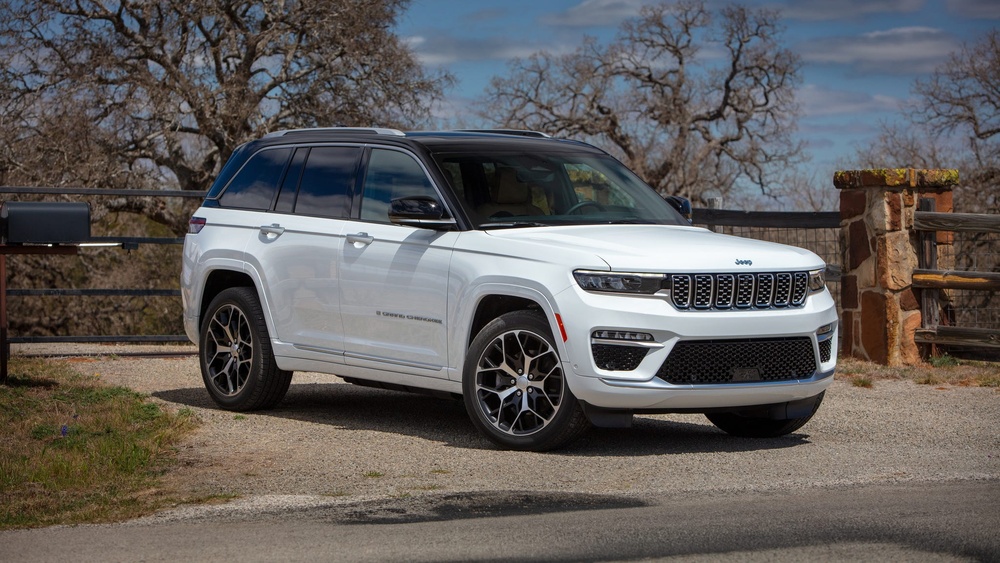
| Jeep Grand Cherokee | 2024 | 4,618 |
| Jeep Compass | 2024 | 3,633 |
| Jeep Gladiator | 2024 | 4,650 |
| Jeep Renegade | 2024 | 3,210 |
These numbers show that Jeeps can weigh from about 3,200 pounds to over 4,600 pounds, depending on size and style.

Why Jeep Weight Matters
The weight of your Jeep affects more than you might think.
Towing And Payload
A heavier Jeep can usually tow more, but it also means you have less room for extra cargo inside the vehicle before reaching the GVWR. For example, a Jeep Gladiator’s curb weight is about 4,650 pounds, but its GVWR is over 6,200 pounds. That gives you a payload capacity of about 1,600 pounds.
Fuel Economy
Heavier vehicles use more fuel. The Jeep Wrangler 4-door is heavier than the 2-door model, so its fuel economy is usually a bit lower. If you want to save money on gas, choosing a lighter model can help.
Off-road Performance
Surprisingly, sometimes a lighter Jeep is better for off-roading. Less weight means the vehicle can climb hills and cross soft ground more easily. But more weight can give you better traction and stability on rough roads.
What Makes Jeeps Heavy?
Several things add to a Jeep’s weight:
- Frame and body: Most Jeeps have strong, steel frames for durability.
- 4×4 systems: Extra parts like transfer cases and differentials add weight.
- Safety features: Airbags, reinforced doors, and roll bars increase safety but also the total weight.
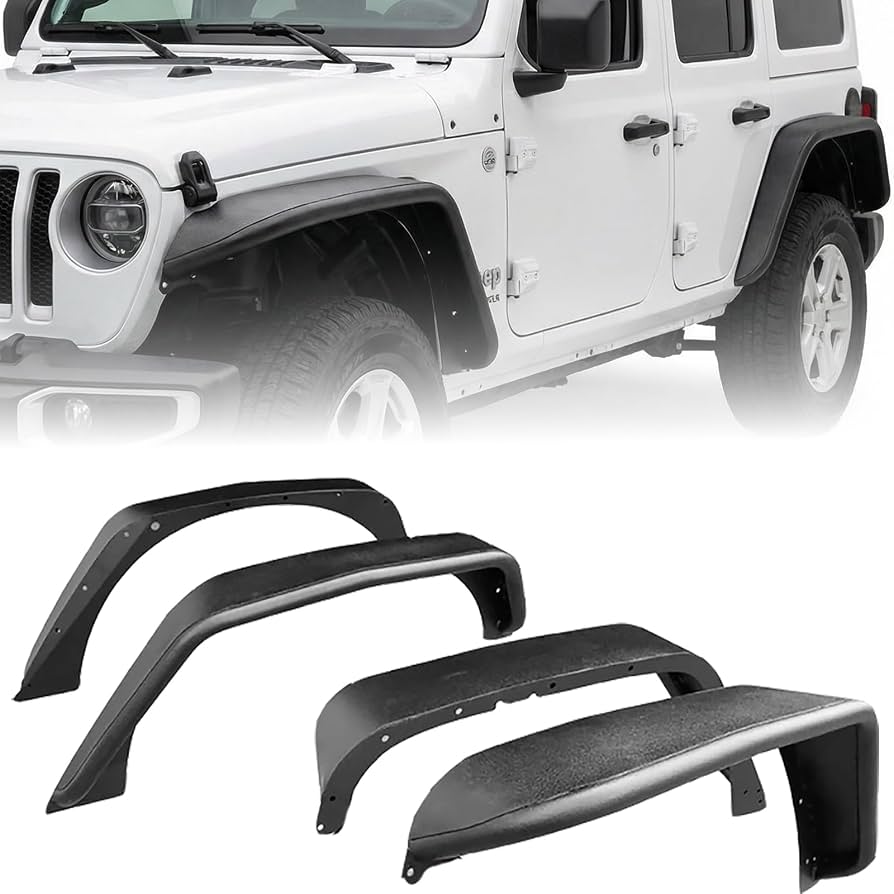
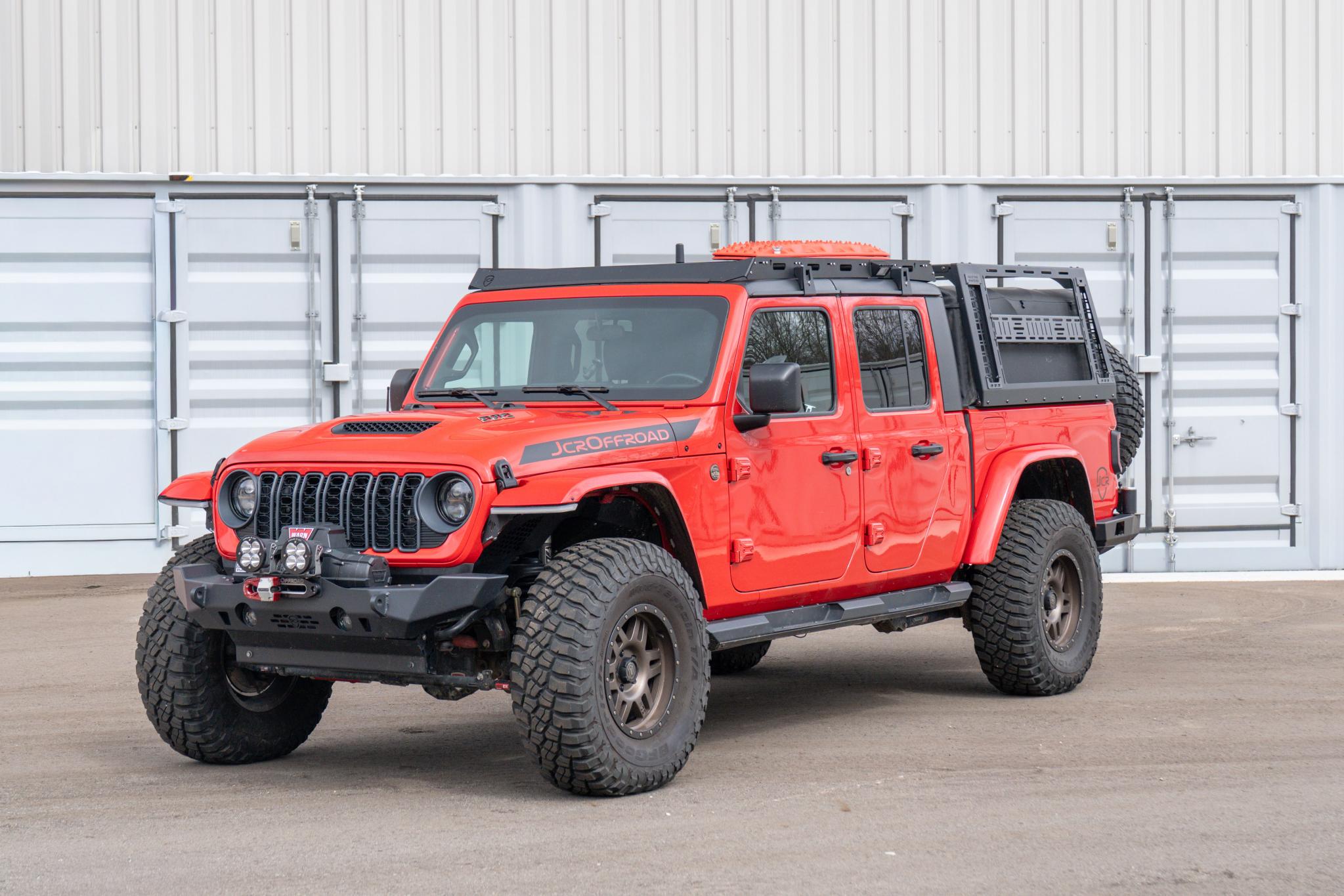
- Accessories: Bigger tires, winches, and roof racks can add hundreds of pounds.
- Engines: Bigger engines and automatic transmissions are heavier.
Some owners add aftermarket parts—like bumpers or larger wheels—that can make the Jeep even heavier. It’s important to know these changes affect not only the weight, but also how the Jeep drives and how much it can safely carry or tow.
Comparing Jeep Weight To Other Suvs
Wondering how Jeeps stack up against other SUVs? Here’s a quick look:
| Vehicle | Year | Curb Weight (lbs) |
|---|---|---|
| Jeep Grand Cherokee | 2024 | 4,618 |
| Ford Explorer | 2024 | 4,345 |
| Toyota 4Runner | 2024 | 4,750 |
| Honda CR-V | 2024 | 3,655 |
You can see that Jeeps are in the same weight range as many midsize SUVs, but some models are a bit heavier due to their off-road equipment.
How To Find Your Jeep’s Exact Weight
If you want to know the exact weight of your Jeep, the best way is to check the sticker on the driver’s door frame. This will show the GVWR and sometimes the curb weight. The owner’s manual is also a good source. For custom or modified Jeeps, you may need to weigh the vehicle at a public scale.
Two Insights Many Owners Miss
First, many people forget that adding accessories changes the weight and can lower the payload and towing capacity. Even small items like a roof rack or sound system make a difference.
Second, different trim levels and options (like bigger engines or four-wheel drive systems) can change the weight by several hundred pounds. Always check the specs for your exact model.
Safety And Regulations
Weight affects safety. The more your Jeep weighs, the more distance you need to stop. Overloading your Jeep can cause brake failure or loss of control. That’s why you should never exceed the GVWR, especially when towing or carrying heavy cargo.
Some states have laws about vehicle weight, especially for trailers. If you plan to tow, check the rules where you live. For more details on safe loading and towing, visit the National Highway Traffic Safety Administration.
Frequently Asked Questions
How Heavy Is A Jeep Wrangler?
A Jeep Wrangler weighs between 3,970 and 4,449 pounds, depending on whether it’s a 2-door or 4-door model, and which options it has.
Does The Weight Of A Jeep Affect Gas Mileage?
Yes, a heavier Jeep usually has lower fuel economy. Lighter models and those with smaller engines tend to use less gas.
Can I Add Accessories Without Worrying About The Weight?
You can add accessories, but every pound counts toward your Jeep’s payload capacity. Too many heavy add-ons can limit how much you can safely carry or tow.
What’s The Difference Between Curb Weight And Gvwr?
Curb weight is just the Jeep by itself with fluids and a full tank. GVWR includes the Jeep, passengers, cargo, and anything else you add. You should never exceed the GVWR.
How Can I Weigh My Jeep?
Find a public vehicle scale, like at a truck stop or recycling center. Drive your Jeep onto the scale and subtract your weight if you’re inside, or check the door sticker for the official numbers.
When you understand how much your Jeep weighs, you can enjoy safer driving, better performance, and fewer surprises on the road or trail. Always stay within the limits and check your vehicle’s manual for the most accurate information.