Driving a 4WD Jeep is exciting for many reasons, but speed is often the first thing people wonder about. How fast can you actually go in a 4WD Jeep? Is it safe to push the limits, and does the terrain or mode affect your top speed? Whether you own a Jeep or are just curious, understanding these factors can help you drive smarter and safer. Let’s break down the facts about Jeep speed, 4WD systems, and what you should know before hitting the gas.
What Determines The Top Speed Of A 4wd Jeep?
Several factors control how fast a 4WD Jeep can go. The most important are the engine, transmission, aerodynamics, and the type of 4WD system. Different Jeep models offer different performances, so there’s no single answer.
The fastest Jeep, the Jeep Grand Cherokee Trackhawk, has a supercharged 6.2L V8 engine and can reach up to 180 mph. Most regular Jeep Wranglers and Cherokees, however, have much lower top speeds. Here is a comparison of common Jeep models and their typical maximum speeds:
| Jeep Model | Engine | Top Speed (mph) |
|---|---|---|
| Wrangler (Sport) | 3.6L V6 | 110 |
| Grand Cherokee (Trackhawk) | 6.2L V8 | 180 |
| Jeep Compass | 2.4L I4 | 120 |
| Jeep Renegade | 1.3L Turbo | 115 |
Non-obvious insight: Even though some Jeeps are powerful, the 4WD mode can limit speed compared to 2WD.
How Does 4wd Affect Speed?
When you switch to 4WD mode, your Jeep sends power to all four wheels. This is great for off-road driving, slippery roads, or rough terrain. But it’s not always ideal for fast driving on smooth pavement.
Most Jeeps have two main 4WD settings:
- 4WD High (4H) – Used for driving up to moderate speeds (usually up to 55–60 mph) on loose or slippery surfaces.
- 4WD Low (4L) – Used for slow driving in tough off-road conditions (crawling, deep mud, steep hills).
If you drive in 4WD Low, the maximum safe speed is about 25–30 mph. In 4WD High, you can go faster, but Jeep recommends staying below 60 mph for safety and to protect the drivetrain. Here’s a quick summary:
| 4WD Mode | Recommended Max Speed (mph) | Best For |
|---|---|---|
| 4WD Low | 25–30 | Off-road, heavy obstacles |
| 4WD High | 55–60 | Snow, mud, sand |
| 2WD | Model’s top speed | Normal roads |
Non-obvious insight: Prolonged high-speed driving in 4WD can overheat parts and cause wear, especially on dry pavement.
Terrain And Speed: Why It Matters
The surface you drive on changes everything. Jeeps are made to handle rough terrain, but that doesn’t mean you can go fast everywhere.
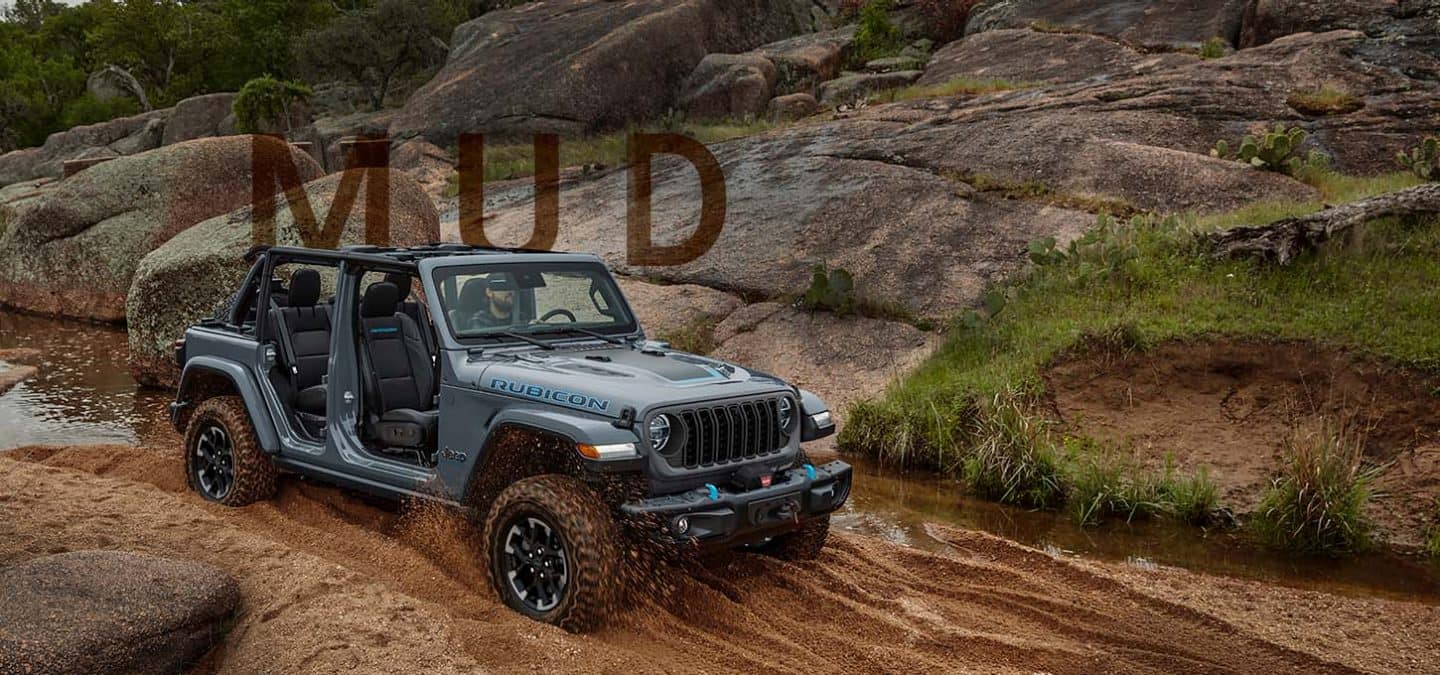
Off-road, your speed is limited by rocks, mud, sand, and slopes.
On a paved road, you can reach the top speed of your model, but off-road, it’s rare to go above 40 mph safely. For example, even skilled drivers keep speeds low on trails to avoid damaging the vehicle or losing control. Here’s a comparison of typical safe speeds on different terrains:
| Terrain | Recommended Max Speed (mph) |
|---|---|
| Paved Road | Model’s top speed |
| Gravel | 40–50 |
| Sand | 30–40 |
| Mud/Rocky Trail | 10–25 |
Many beginners don’t realize that tire pressure, tire type, and suspension also affect safe speed. Lower tire pressure improves grip off-road but reduces stability at high speeds.
Safety Considerations
Just because your Jeep can go fast doesn’t mean you should. High speeds in 4WD can damage your transfer case, tires, and axles.
It can also increase the risk of rollovers, especially in lifted or modified Jeeps.
Tips for safe driving:
- Use 4WD only when needed.
- Switch back to 2WD on dry, paved roads.
- Avoid sudden turns at high speeds in 4WD.
- Check your owner’s manual for model-specific advice.
Jeep recommends regular checks of the transfer case and differentials if you drive often in 4WD. This prevents expensive repairs and keeps your Jeep running smoothly.
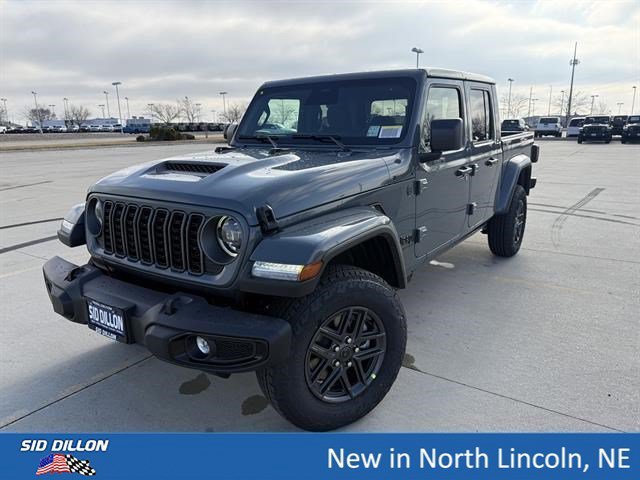
Real-world Examples
Let’s look at how speed and 4WD interact in everyday use:
- On highways, drivers use 2WD and can reach speeds up to 110–120 mph in Wranglers, or 180 mph in the Trackhawk.
- On snowy roads, switching to 4WD High makes driving safer, but most owners keep speeds under 60 mph.
- On mountain trails, experienced drivers rarely go above 20 mph, even in 4WD Low.
A common mistake is leaving the Jeep in 4WD on dry pavement. This increases wear and can damage the drivetrain, especially at high speeds.
Frequently Asked Questions
What Happens If I Drive Fast In 4wd Low?
Driving fast in 4WD Low can overheat your Jeep’s parts and damage the drivetrain. It’s made for crawling, not speed.
Is It Safe To Drive Above 60 Mph In 4wd High?
No. Jeep recommends keeping speeds below 60 mph in 4WD High, especially on loose surfaces. Going faster can cause overheating or loss of control.
Can I Use 4wd On The Highway?
You can use 4WD High if the road is slippery (snow, ice, rain), but switch to 2WD on dry pavement. Using 4WD on dry highways can cause damage.
Does The Jeep Wrangler Go Faster In 2wd Or 4wd?
The Jeep Wrangler reaches higher speeds in 2WD. 4WD is for grip, not speed, and limits top speed.
Where Can I Find Official Jeep Speed Recommendations?
Official details are in your Jeep owner’s manual or on the manufacturer’s site. For more info, visit Jeep Official Site.
Driving a 4WD Jeep is all about balance using the right mode for the right terrain and knowing your limits. While some Jeeps are built for speed, 4WD is designed for control and safety, not racing.
Always check your manual, use common sense, and respect your Jeep’s capabilities.
This way, you get the best performance without risking your vehicle or your safety.