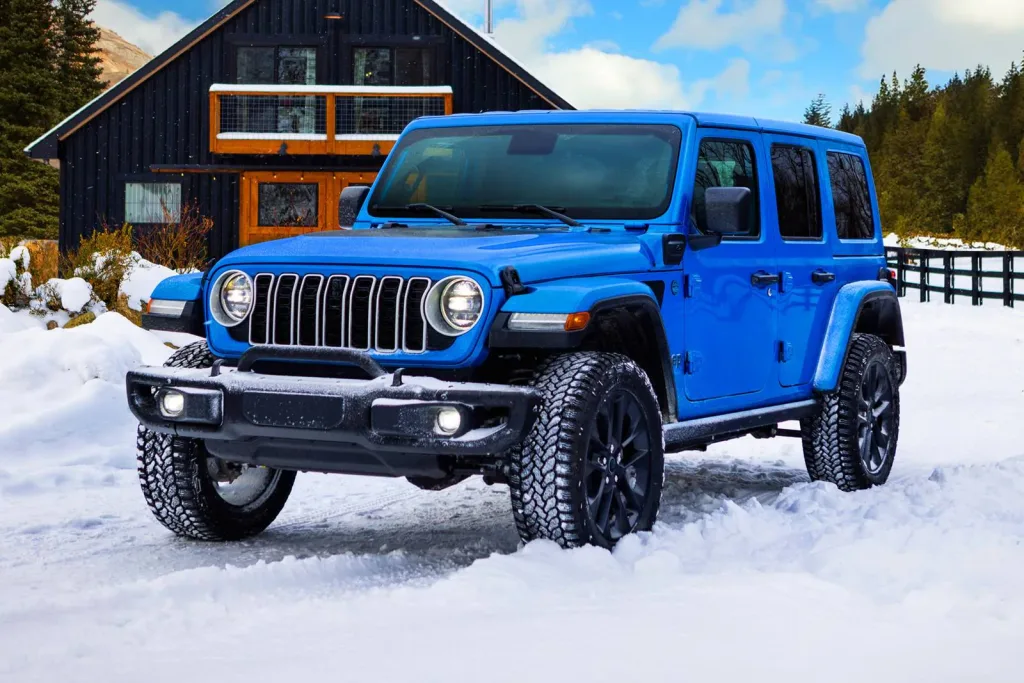
Running out of gas is a worry for many drivers, but for Jeep Wrangler owners, it often sparks a different question: how far can a Jeep Wrangler go on empty? If you’ve ever seen your fuel light come on while off-roading or on the highway, you’re not alone.
Understanding this range isn’t just about curiosity—it’s about avoiding a real headache, especially in remote places. Let’s explore what happens when that warning light glows, and how much distance you might really have left.
What Does “empty” Mean In A Jeep Wrangler?
When the low fuel light comes on in a Jeep Wrangler, it doesn’t mean your tank is bone dry. Most modern vehicles, including the Wrangler, have a reserve fuel amount designed to give you a safety buffer. This reserve can help you find the nearest gas station without immediately running out.
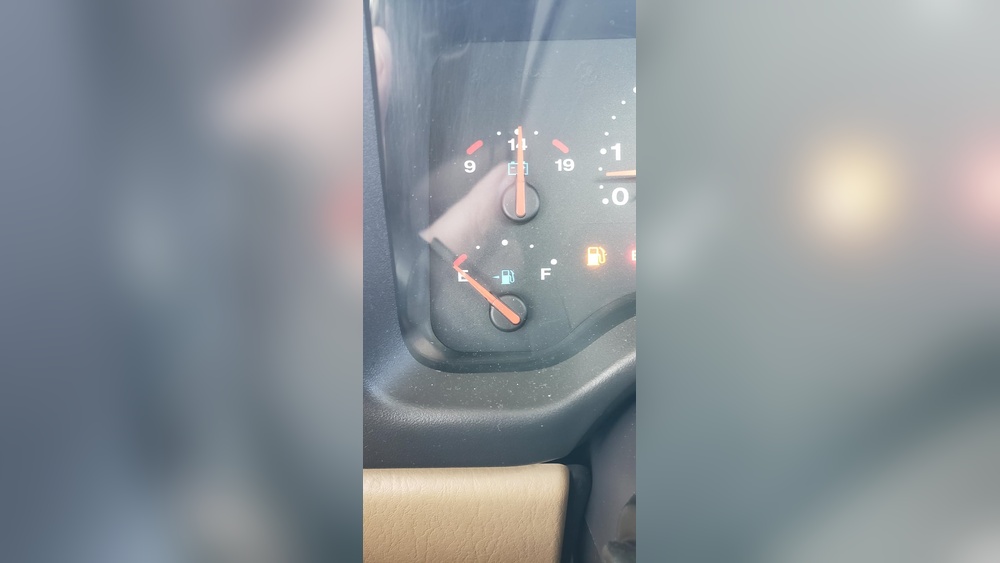
For most Wrangler models, the fuel light activates when you have about 2 to 3 gallons left in the tank. The exact number depends on your model year and whether you drive a two-door or four-door version.
How Far Can You Go On “empty”?
The distance you can travel after the warning light comes on depends on several factors. These include:
- The specific Wrangler model and year
- Driving habits (speed, acceleration, braking)
- Road type (city, highway, off-road)
- Tire size and weight
- Weather and terrain
On average, Jeep Wrangler owners report being able to travel 30 to 50 miles after the low fuel light turns on. Some push it to 60 miles, but this is risky. Let’s break it down by model:
| Jeep Wrangler Model | Fuel Tank Size (gallons) | Miles After Fuel Light |
|---|---|---|
| JK (2007-2018) 2-Door | 18.6 | 35-45 |
| JK (2007-2018) 4-Door | 22.5 | 40-50 |
| JL (2018+) | 17.5-21.5 | 30-50 |
These ranges are typical for stock vehicles with standard tires. Aftermarket upgrades or lifted suspensions can change fuel consumption and reduce your “empty” range.
Factors That Affect Your Remaining Range
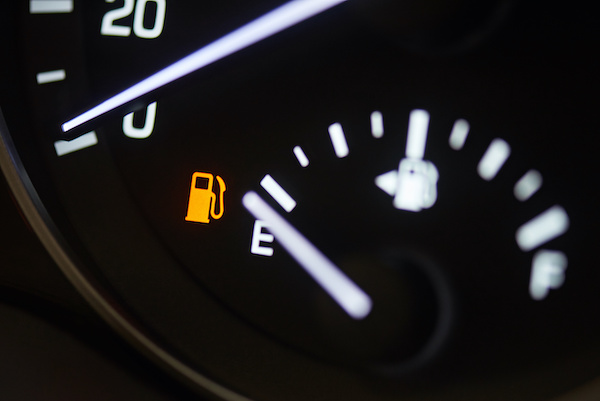
Not every Jeep Wrangler will go the same distance on empty. Here are some key factors that make a difference:
- Driving Style: Aggressive driving burns fuel faster. Smooth, steady driving gets you farther.
- Tire Size: Oversized tires or heavy wheels reduce fuel efficiency, shrinking your backup range.
- Terrain: Highway driving is more fuel-efficient than stop-and-go city traffic or off-roading.
- Payload: Carrying extra gear or passengers adds weight, using more fuel per mile.
- Weather: Extreme cold or heat can impact fuel economy, sometimes lowering your reserve mileage.
Here’s a quick look at how different conditions can impact your range after the light comes on:
| Condition | Approximate Range on Empty |
|---|---|
| Highway Driving | 40-50 miles |
| City Driving | 30-40 miles |
| Off-Road | 20-30 miles |
Real-world Examples From Wrangler Owners
Many Jeep owners have tested the limits—sometimes unintentionally. For example:
- A 2015 Wrangler JK owner reported driving 42 miles after the light, with 1.2 gallons left at fill-up.
- A 2021 Wrangler JL owner managed 35 miles on a mix of city and highway, filling up with just under 1 gallon left.
- Some drivers with lifted Wranglers and large tires saw reduced range, sometimes only 20-25 miles on empty.
It’s clear that while the Wrangler provides a safety margin, it isn’t a guarantee. Gas gauges aren’t always perfectly accurate, especially on uneven ground or steep grades.
Why Risking “empty” Is Not A Good Idea
Driving on empty isn’t just about inconvenience. It can actually damage your Jeep over time:
- Fuel pump damage: The fuel pump relies on gasoline for cooling and lubrication. Running dry can lead to early failure, which is expensive to fix.
- Sediment in tank: Low fuel can pull up debris from the bottom of the tank, clogging filters and injectors.
- Unexpected stops: Running out in a remote area, especially off-road, can leave you stranded with limited options.
If you see the fuel light, make refueling your top priority. Don’t treat the reserve as extra driving time think of it as your “get to safety” margin.
Tips To Maximize Your Range When Low On Fuel
If you’re far from a gas station, a few smart choices can stretch those last miles:
- Slow down: Driving at 45-55 mph uses less fuel than higher speeds.
- Turn off A/C and accessories: Reduce electrical load to save fuel.
- Keep windows up: Open windows can increase drag, especially at higher speeds.
- Avoid idling: Turn off the engine if stopped for more than a minute.
Advanced tip: If you’re off-roading, keep the Jeep as level as possible. Extreme angles can cause the fuel pickup to miss the remaining gas, making you stall before the tank is truly empty.
How The Jeep Wrangler Compares To Other Suvs
You might wonder if the Wrangler’s reserve is typical. Compared to other midsize SUVs, the Wrangler’s “empty” range is about average.
| Vehicle | Reserve Range (miles) |
|---|---|
| Jeep Wrangler | 30-50 |
| Toyota 4Runner | 35-45 |
| Ford Bronco | 30-40 |
| Honda CR-V | 30-50 |
This means Wrangler owners aren’t at a disadvantage, but you still shouldn’t push your luck.
Frequently Asked Questions
How Accurate Is The Jeep Wrangler’s Fuel Gauge When The Light Comes On?
The fuel gauge provides a close estimate but isn’t perfect. Sudden changes in speed, incline, or temperature can cause the gauge to read higher or lower than the actual amount.
Always refuel as soon as possible after the warning.
Can Running On Empty Damage My Jeep Wrangler?
Yes. Driving on very low fuel can overheat the fuel pump, introduce sediment into the system, and lead to costly repairs. Avoid making it a habit.
How Much Gas Is Left When The Low Fuel Light Comes On?
Most Jeep Wranglers have 2-3 gallons left in the tank when the light appears. This can vary by year and model, so check your owner’s manual for the most accurate number.
Is The Reserve Range Different For Modified Wranglers?
Absolutely. Larger tires, added weight, or performance upgrades can reduce your fuel efficiency and lower your reserve range.
Always account for modifications when estimating your “empty” distance.
Where Can I Find More Detailed Jeep Wrangler Specs?
For official specifications and technical details, visit the Jeep Wrangler official site.
Getting to know your Wrangler’s limits isn’t just about numbers it’s about being prepared. Respect the warning light, and you’ll keep your adventures safe and stress-free.