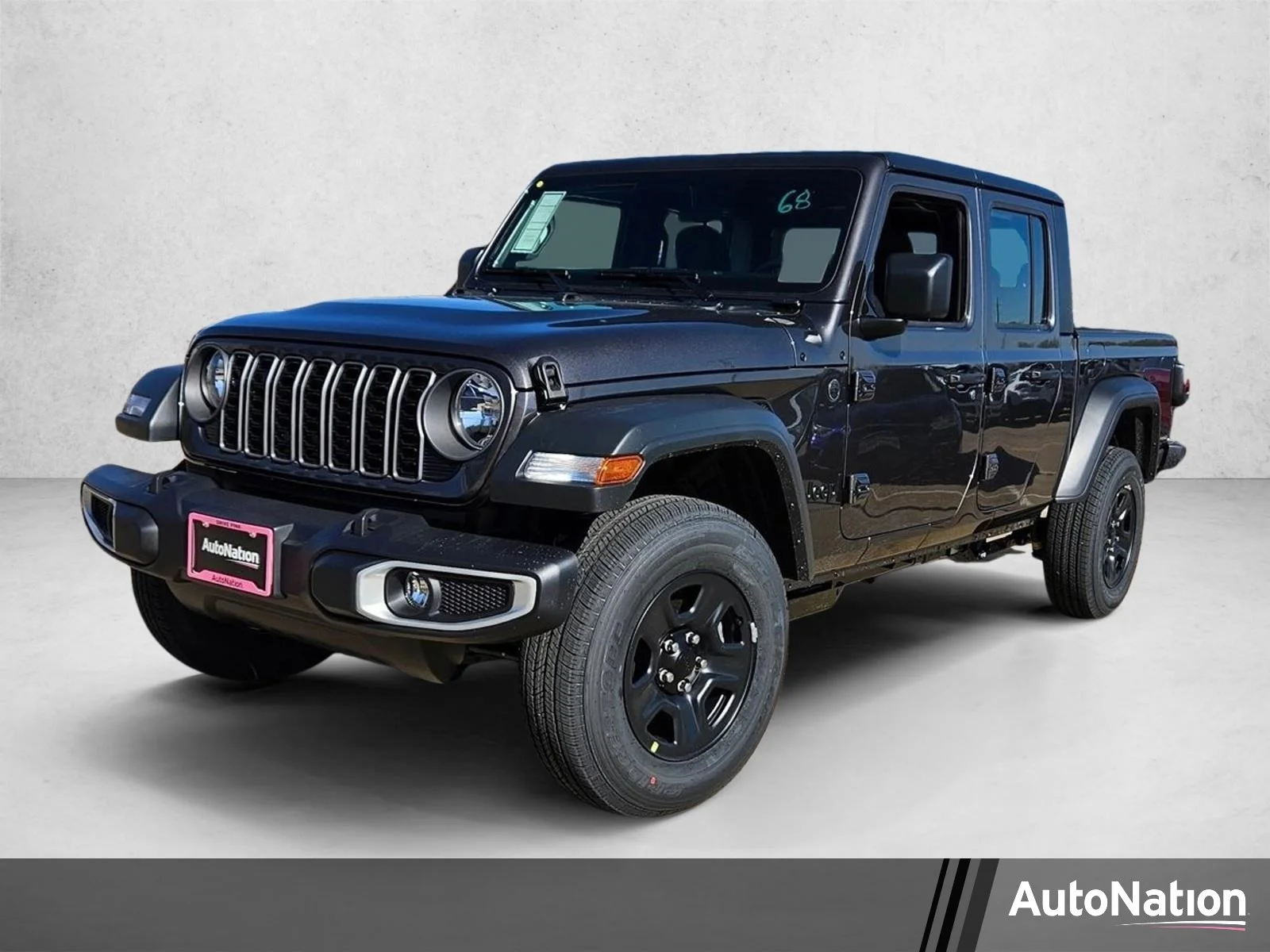
The Jeep Gladiator stands out as one of the most unique midsize pickup trucks in the US market. It combines the off-road legacy of the Jeep Wrangler with the utility of a pickup bed.
Many people wonder how the Gladiator actually drives, both on and off the pavement. Is it comfortable for daily use?
Does it feel more like a truck or a classic Jeep? Let’s break down what you can expect behind the wheel of the Jeep Gladiator.
First Impressions: On The Road
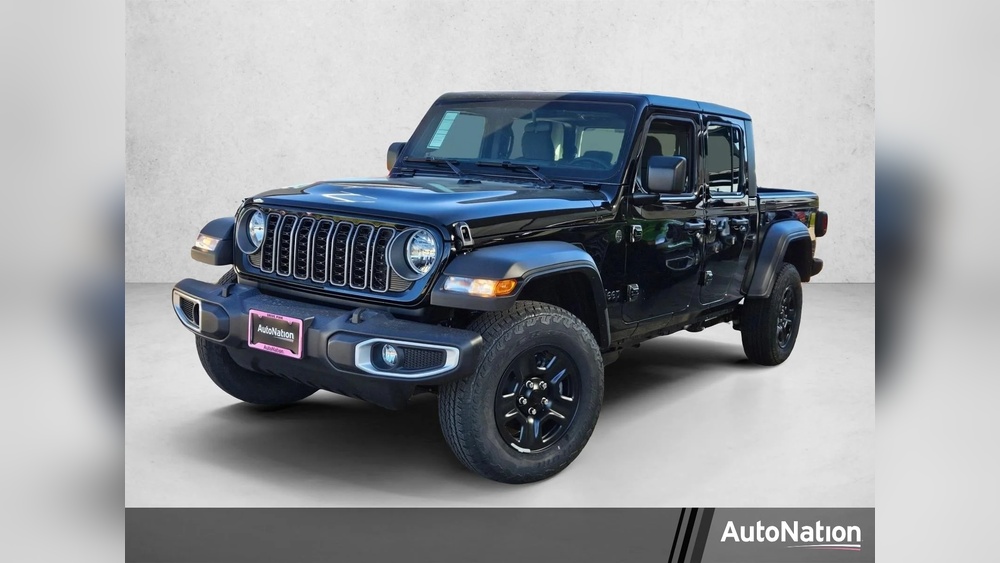
The Gladiator’s first impression is clear even before you start moving. Its tall stance, rugged tires, and iconic Jeep face set expectations for an adventure-ready vehicle. But what happens once you start driving?
The Gladiator’s ride quality feels a bit different from most other midsize trucks. On paved roads, you’ll notice:
- Steering: The steering is light but not as precise as a crossover SUV. There’s a little bit of play at the center, meaning you’ll make small corrections at highway speeds.
- Suspension: The Gladiator uses a solid axle suspension, like the Wrangler. This helps off-road but means you’ll feel bumps and potholes more than in some rivals.
- Noise: Road and wind noise are higher than in most pickup trucks, especially with the soft-top roof option.
For daily driving, the Gladiator is comfortable enough for most commutes. However, it’s not as smooth or quiet as the Honda Ridgeline or Ford Ranger.
Engine And Performance
The standard engine for the Gladiator is a 3.6-liter V6 that produces 285 horsepower and 260 lb-ft of torque. There’s also an available 3.0-liter EcoDiesel V6 with 260 horsepower and 442 lb-ft of torque.
Here’s a quick comparison of the two engines:
| Engine | Horsepower | Torque (lb-ft) | EPA MPG (city/highway) |
|---|---|---|---|
| 3.6L V6 Gas | 285 | 260 | 16/23 |
| 3.0L V6 Diesel | 260 | 442 | 22/28 |
The gas V6 is strong enough for city and highway driving, though it can feel a little slow when passing at high speeds. The diesel offers more low-end power, making towing and off-road crawling easier.
Transmission options include a 6-speed manual or an 8-speed automatic. Most buyers choose the automatic for convenience, but the manual is a rare feature in today’s pickup market.
Handling: City Vs. Highway
In the city, the Gladiator’s size is noticeable, but not unmanageable. Its turning radius is wider than most midsize trucks, so tight parking can require extra care.
Visibility is good, thanks to the upright windshield and large windows.
On the highway, the Gladiator feels stable, but not as planted as some competitors. Crosswinds can push it around more, and the ride becomes a little bouncy over rough surfaces.
Here’s how the Gladiator compares with a typical midsize truck for key driving aspects:
| Feature | Jeep Gladiator | Typical Midsize Truck |
|---|---|---|
| Turning Radius (ft) | 44.5 | 42.0 |
| Highway Comfort | Moderate | High |
| Cabin Noise | Higher | Lower |
Practical tip: If you plan to drive mostly in cities or on the highway, test drive the Gladiator and compare it with smoother-riding trucks to see if the Jeep’s feel works for you.
Off-road Prowess
Where the Gladiator truly shines is off the road. It’s built with the same DNA as the Wrangler, which means:
- Four-wheel drive is standard on all models.
- Strong ground clearance (up to 11.1 inches).
- Solid axles, heavy-duty suspension, and available locking differentials.
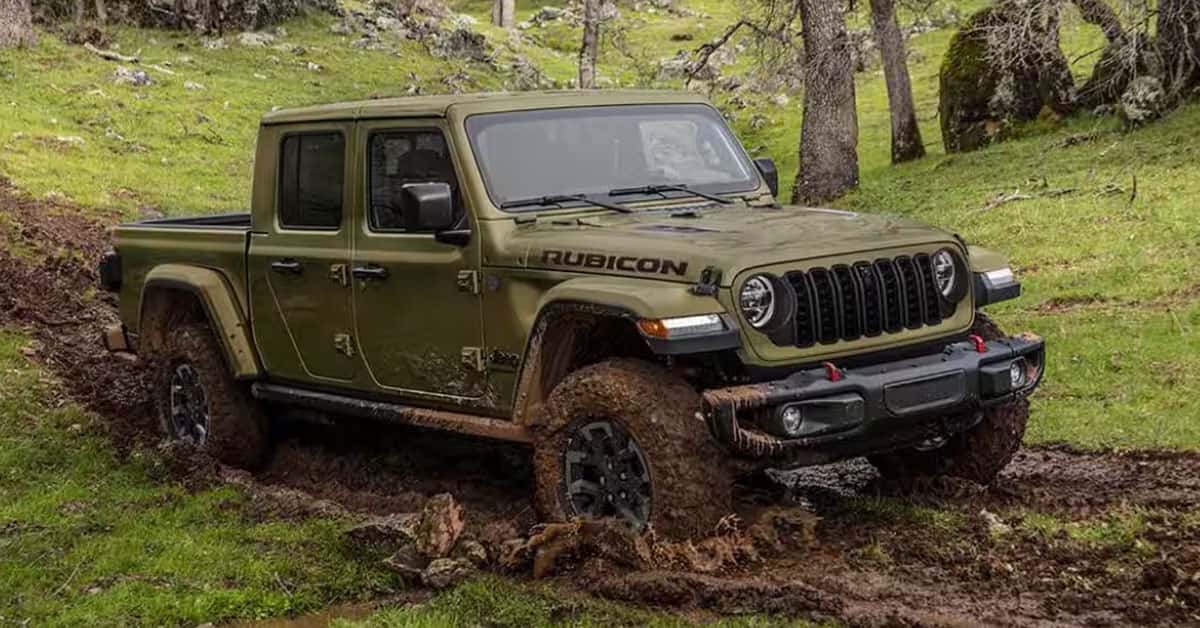
The Rubicon trim is especially capable, with larger tires, disconnecting sway bars, and extra skid plates. You can cross rocky trails, sand dunes, and muddy paths that would stop most trucks.
One non-obvious insight: The Gladiator’s longer wheelbase (137.3 inches) makes it smoother over bumps but can reduce breakover angle. This means it might scrape the middle on very sharp hills more than a shorter Wrangler.
Here’s a brief comparison of Gladiator trims for off-road features:
| Trim | Ground Clearance (inches) | Locking Diffs | Skid Plates |
|---|---|---|---|
| Sport | 10.0 | No | Front |
| Overland | 10.0 | No | Front |
| Rubicon | 11.1 | Front & Rear | Full |
Towing And Payload
The Gladiator isn’t just for play. It can tow up to 7,700 pounds (when properly equipped) and handle a payload of up to 1,710 pounds in the bed. These numbers are competitive with other midsize trucks.
However, towing at the upper limit can make the V6 engine work hard, especially on hills. The diesel engine handles heavy loads with less effort, thanks to its higher torque.
A common mistake is to overload the bed or tow more than the rated limit. Always check your specific Gladiator model’s limits, as equipment and trim can affect these numbers.
Everyday Comfort And Features
Inside, the Gladiator is a mix of rugged and modern. The upright dashboard, grab handles, and removable roof panels remind you this is a Jeep.
At the same time, there are touchscreen infotainment systems, heated seats, and advanced safety features in higher trims.
The rear seats are more spacious than you might expect for a midsize truck, making the Gladiator a good choice for families or road trips. Practical details like the waterproof push-button start and drain plugs in the floor show that Jeep planned for real-world adventure.
One insight beginners often miss: The Gladiator’s removable roof and doors create a driving experience no other pickup offers. You can enjoy open-air driving on sunny days, but remember, this can raise cabin noise and lower security for cargo.

Is The Jeep Gladiator Right For You?
The Jeep Gladiator drives like a Jeep first, and a truck second. It’s not as smooth or quiet as some rivals, but it offers unmatched off-road ability and unique features.
If you value adventure, open-air fun, and tough looks, the Gladiator is hard to beat.
But if you want a quiet, car-like ride for daily work, other trucks may fit better.
For more details on specs and trim options, check out the official Jeep Gladiator page.
Frequently Asked Questions
How Does The Jeep Gladiator Handle In Snow And Bad Weather?
With its standard four-wheel drive and good ground clearance, the Gladiator performs well in snow and rain. Choose all-terrain tires for the best grip.
Is The Gladiator Comfortable For Long Road Trips?
The Gladiator’s seats are supportive, and there’s enough space for adults. However, road and wind noise are higher than in some trucks, which may tire some drivers on long trips.
What Is The Fuel Economy Of The Jeep Gladiator?
The gas V6 gets about 16 mpg in the city and 23 mpg on the highway. The diesel version is more efficient, reaching up to 28 mpg on the highway.
Can The Gladiator Really Tow Heavy Trailers?
Yes, when properly equipped, the Gladiator can tow up to 7,700 pounds. Make sure your trailer and gear don’t exceed your model’s limits.
How Does The Gladiator Compare To The Jeep Wrangler?
The Gladiator shares the Wrangler’s off-road strengths but has a longer wheelbase and a pickup bed. This means it’s better for carrying cargo but slightly less agile on tight trails.
The Jeep Gladiator’s driving experience is truly unique. It’s not for everyone, but for those who want a truck that stands out and can tackle almost any terrain, it delivers something few others can match.