If you drive a Jeep or are thinking about buying one, you might hear the term Selec-Trac. This system is part of what makes some Jeeps famous for handling tough road and weather conditions.
But how does Jeep Selec-Trac actually work? Understanding it can help you use your Jeep more confidently, whether you’re driving on a city street or climbing a mountain trail.
What Is Jeep Selec-trac?
Jeep Selec-Trac is a four-wheel-drive system designed to give you better control in changing driving conditions. Unlike older 4×4 systems that are either on or off, Selec-Trac lets you choose from multiple modes. This flexibility means you can drive safely on dry pavement, rain, snow, mud, or rocks.
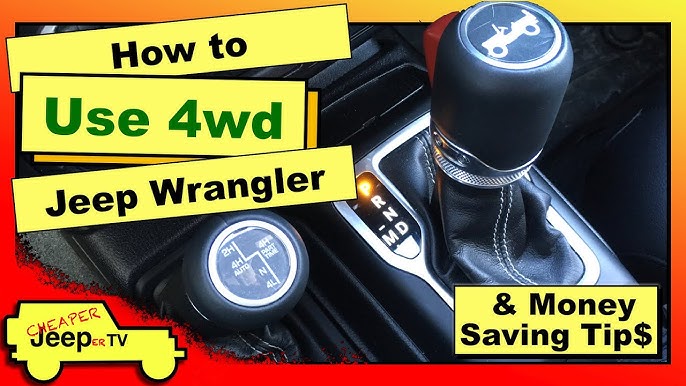
Selec-Trac first appeared in Jeep models in the 1980s. Over the years, it has become more advanced, now found in vehicles like the Jeep Grand Cherokee and Jeep Wrangler. The goal is simple: make it easier for drivers to adjust their Jeep to the road or trail ahead.
How Selec-trac Works
Selec-Trac uses a transfer case to manage how power moves from the engine to the wheels. The transfer case is like the brain of the system. It shifts power between the front and rear wheels, depending on the mode you select and the grip needed.
Here are the main modes you’ll find with Selec-Trac:
- 2WD (Two-Wheel Drive): Power goes to the rear wheels only. This is good for dry roads and helps improve fuel economy.
- 4WD Auto (Full-Time Four-Wheel Drive): The system decides for you. It sends power to all four wheels if it senses wheel slip. Ideal for changing weather.
- 4WD High (Four-Wheel Drive High): All wheels get power equally. Use this for loose surfaces like gravel or snow.
- 4WD Low (Four-Wheel Drive Low): This uses lower gears for more power at low speeds. It’s best for deep sand, mud, or steep climbs.
- Neutral: Disconnects the wheels from the drivetrain. Mostly used for towing.
The “Auto” mode is a key feature. It uses sensors to detect wheel slip and adjusts automatically.
That means you don’t have to think about switching modes if the weather changes suddenly.
Selec-trac Vs Other Jeep 4×4 Systems
Jeep offers several 4×4 systems, but each is different. Understanding these differences can help you pick the right vehicle.
| System | Modes | Main Use | Best For |
|---|---|---|---|
| Selec-Trac | 2WD, 4WD Auto, 4WD High, 4WD Low | Automatic adjustment | Changing road conditions |
| Command-Trac | 2WD, 4WD High, 4WD Low | Manual shift | Off-road, simple design |
| Quadra-Trac | 4WD Auto, 4WD Low | Full-time 4WD | Luxury, all-weather |
Selec-Trac stands out because of its full-time Auto mode. It’s ideal for drivers who want safety and ease, without having to think about which mode to use every time the weather changes.
Key Benefits Of Selec-trac
Choosing a Jeep with Selec-Trac offers several advantages:
- Effortless driving: The Auto mode means you rarely need to switch manually.
- Improved traction: Sensors quickly detect slippery surfaces, sending power where it’s needed.
- Better fuel economy: In 2WD, only the rear wheels work, saving fuel compared to always-on systems.
- Versatility: Handles everything from city roads to muddy trails.
One non-obvious benefit is that Selec-Trac helps reduce wear on tires and drivetrain parts. Because the system only uses 4WD when needed, parts don’t experience as much stress as in full-time 4WD systems.

How To Use Selec-trac
Using Selec-Trac is simple, but knowing when to switch modes can make your drive smoother and safer.
- Start in 2WD for dry, clear roads. You’ll get the best gas mileage.
- Switch to 4WD Auto when weather is changing or you expect mixed conditions. The system will handle the rest.
- Use 4WD High in snow, sand, or loose gravel. This gives extra grip.
- Choose 4WD Low for off-road, steep hills, or deep mud. Remember to stop the vehicle before shifting into this mode.
- Neutral is only for towing the Jeep.
Here’s a quick reference:
| Mode | When to Use |
|---|---|
| 2WD | Dry highways, city driving |
| 4WD Auto | Rain, light snow, mixed surfaces |
| 4WD High | Deep snow, sand, gravel |
| 4WD Low | Off-road, steep terrain |
A common mistake is shifting into 4WD Low while moving. Always stop first, or you may damage the system. Another tip: if you plan to tow your Jeep, always use the Neutral mode as directed in your owner’s manual.
Real-world Example
Imagine you’re driving your Jeep Cherokee with Selec-Trac on a sunny day. You’re in 2WD, using less fuel.
Suddenly, a rainstorm hits. Instead of pulling over to switch modes, you just turn the dial to 4WD Auto.
The system senses slippery conditions and sends power to the wheels with the most grip.
You stay in control, no matter how quickly the weather changes.
Selec-trac Maintenance Tips
Selec-Trac is reliable, but like any mechanical system, it needs care:
- Check fluid levels: The transfer case needs special fluid. Low fluid can cause damage.
- Listen for odd noises: Clicking or grinding can signal a problem.
- Follow service intervals: Jeep recommends transfer case service every 30,000–60,000 miles, depending on your driving.
Many owners overlook the importance of using the correct transfer case fluid. Using the wrong type can cause expensive repairs. Always check your owner’s manual.
Frequently Asked Questions