Buying a Jeep Renegade 4X4 is a big step for anyone who wants to drive confidently on different roads. You might wonder, “How does this system work?”
Many people see the 4X4 badge and think it means extra grip, but there’s a lot more going on. This article explains, in simple words, how the Jeep Renegade 4X4 works, covering its four main parts: Active Drive, Active Drive Low, Selec-Terrain, and Hill Descent Control.
You’ll learn what each feature does, how they help on real roads, and what beginners often miss. By the end, you’ll feel ready to choose the right model and use these features wisely.
Active Drive
Jeep Active Drive is the standard 4X4 system for most Renegade models. It works automatically, meaning you don’t have to turn it on or off. When you drive on regular roads, the system sends power to the front wheels. If it senses that you need more grip (like when a wheel slips on wet pavement or mud), it quickly sends power to the back wheels too.
This change happens in less than one second. You may not even notice it, but the system is always watching for signs that you need extra traction.
Active Drive is great for city driving, highways, and light off-road situations.
Here’s a simple comparison between Active Drive and a typical front-wheel-drive system:
| Feature | Active Drive (Renegade) | Front-Wheel Drive |
|---|---|---|
| Power Distribution | Front, rear as needed | Front only |
| Automatic Response | Yes | No |
| Off-road Capability | Moderate | Low |
Non-obvious insight: Many beginners think Active Drive is always “on” in 4X4 mode. Actually, it only engages the rear wheels when needed, saving fuel and reducing tire wear.
Active Drive Low
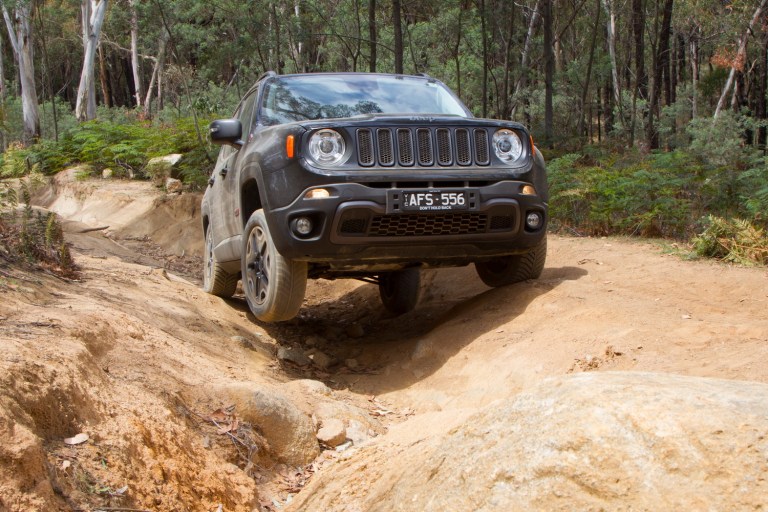
The Active Drive Low system is only available in the Renegade Trailhawk model. This is the version for true off-road adventures. The main difference from regular Active Drive is the “low range.” In simple words, low range means the system can multiply the torque (twisting force) going to the wheels. This helps you climb steep hills, move slowly over rocks, or drive through deep mud.
Active Drive Low gives a crawl ratio of 20:1. That means the wheels turn much slower but with more power. You activate this feature by pressing a button or turning a dial. It’s not for everyday driving but for situations where you need maximum control.
Here’s a comparison of Active Drive Low vs. standard Active Drive:
| Feature | Active Drive Low | Active Drive |
|---|---|---|
| Crawl Ratio | 20:1 | Normal |
| Torque Multiplication | High | Standard |
| Intended Use | Heavy off-road | Light off-road |
Non-obvious insight: Many drivers try to use Active Drive Low for city driving. This is not recommended—it’s designed for rough terrain and can cause extra wear if used on smooth roads.
Selec-terrain System
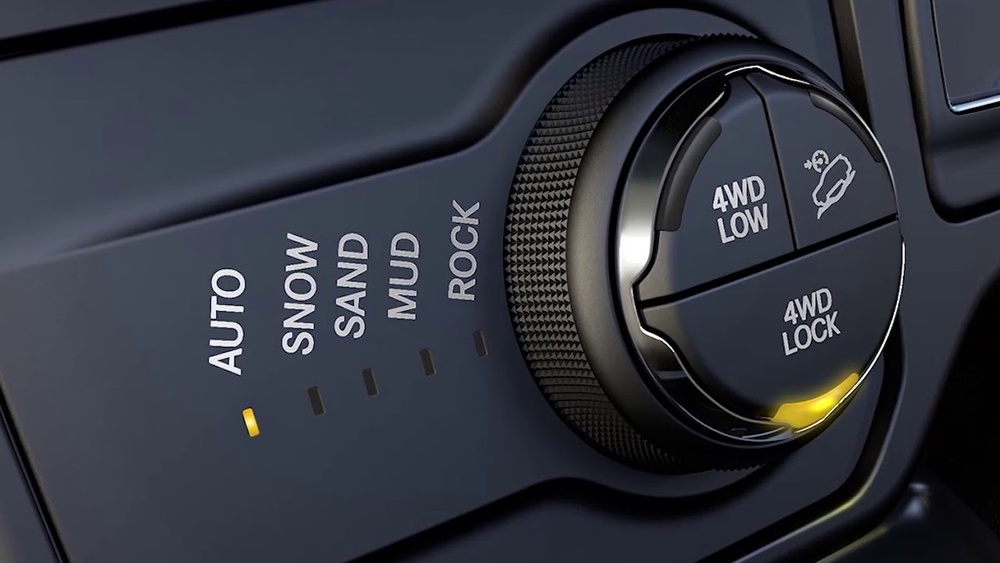
The Selec-Terrain system lets you choose how your Renegade responds to different surfaces. There is a knob inside the car with four main settings: Auto, Snow, Sand, and Mud. Some models also include a “Rock” mode for extra tough trails.
Each mode changes the way the engine, brakes, and 4X4 system work. For example:
- Auto: The default mode for normal roads. The system decides how to send power.
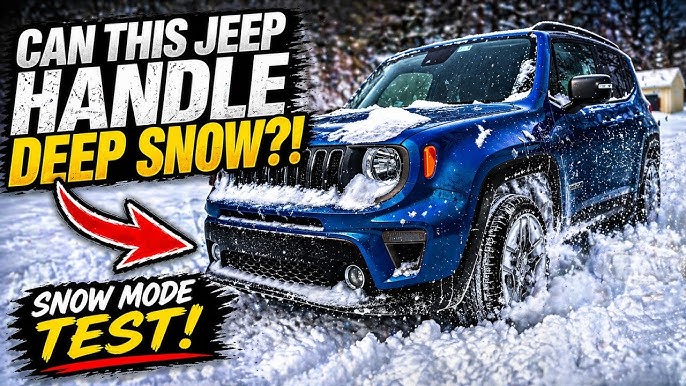
- Snow: Engine power is reduced, and traction is increased for slippery roads.
- Sand: Allows more wheel spin so you don’t get stuck.
- Mud: Boosts torque and lets wheels spin to clear mud.
Here’s how the modes compare:
| Mode | Best Use | How It Helps |
|---|---|---|
| Auto | Everyday driving | Adapts automatically |
| Snow | Snow/ice | Reduces wheel spin |
| Sand | Loose sand | Increases wheel spin |
| Mud | Muddy trails | Boosts torque |
Non-obvious insight: Many new users think Selec-Terrain is just for off-road, but the Snow mode is perfect for city driving during winter storms.
Hill Descent Control
Hill Descent Control is a safety feature that helps you go downhill slowly and safely. When you press the button, the system takes over the brakes and keeps your speed steady. You don’t have to press the brake pedal or worry about sliding.
This feature is especially useful on steep, rough slopes where you might lose control. It works at speeds up to about 20 mph, but most people use it below 10 mph.
Some practical tips:
- Make sure the system is active before starting a steep descent.
- Let the system control speed, but steer carefully.
- Don’t use Hill Descent Control for everyday driving—it’s made for rough terrain.
Non-obvious insight: Many beginners forget to activate Hill Descent Control before starting downhill. If you wait until you’re halfway down, you may not get the full benefit.