If you’ve just bought a Jeep or are renting one for an adventure, you may wonder how to open the hood. Unlike many cars, Jeeps sometimes have unique latches and safety features.
This can be confusing, especially if you’re new to the brand.
Knowing how to open the hood is important for checking oil, adding windshield fluid, or even just showing off your engine to friends.
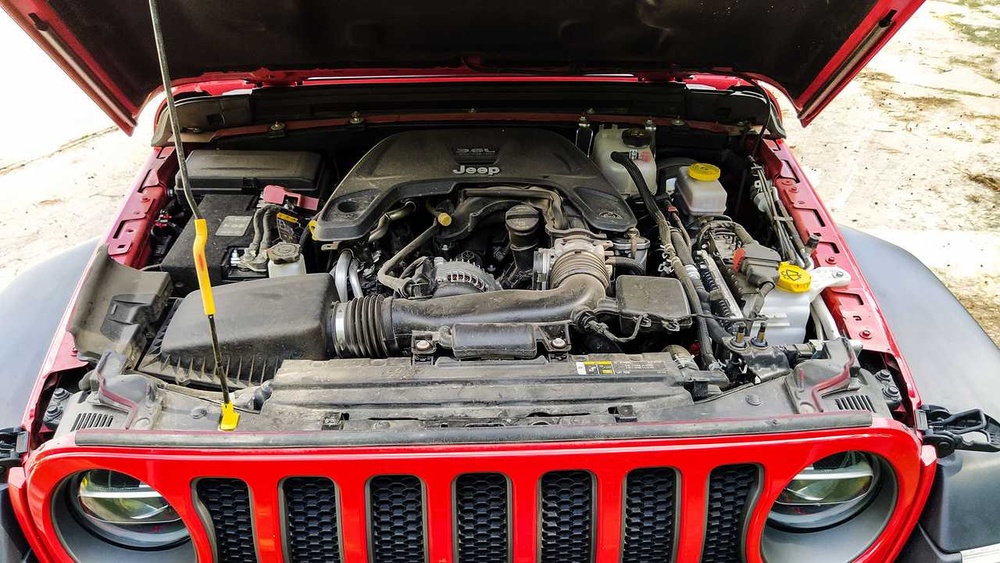
This guide will walk you through the process, explain differences between models, and share tips that even some Jeep owners don’t know.
Understanding Jeep Hood Designs
Jeeps are famous for their rugged design and off-road ability, but their hoods can differ based on the model and year. For example, the classic Wrangler uses external latches, while newer Cherokees have a more standard, internal release system. Here’s a quick look at some popular Jeep models and their hood release types:
| Model | Year Range | Hood Release Type |
|---|---|---|
| Wrangler (JK, JL) | 2007–present | External latches + interior lever |
| Grand Cherokee | 1993–present | Interior lever only |
| Cherokee | 2014–present | Interior lever only |
| Renegade | 2015–present | Interior lever only |
| Liberty | 2002–2012 | Interior lever only |
Always check your owner’s manual if you are not sure, but these are the most common types.
Step-by-step: How To Open A Jeep Hood
Let’s break down the process for both the classic Wrangler and the newer Cherokee or Grand Cherokee. The steps are slightly different, so make sure you follow the one for your Jeep.
For Jeep Wrangler (jk, Jl, Yj, Tj)
1. Locate The Exterior Hood Latches
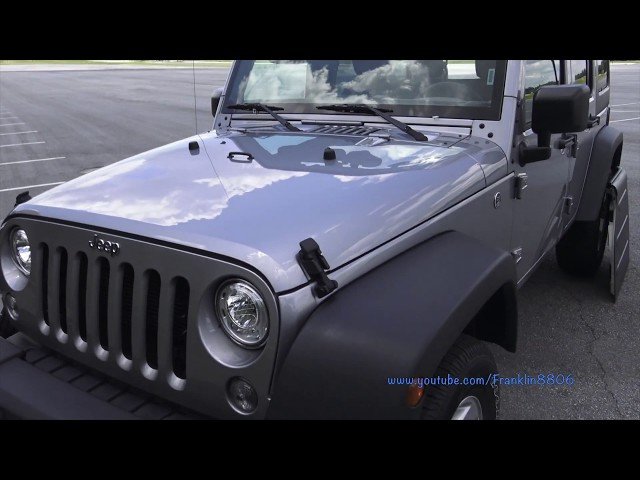
Find the two rubber latches on each side of the hood. They are easy to spot and are placed just above the fenders.
2. Release Both Latches
Pull the latches away from the hood. This will free the hood from the fender area.
3. Find The Interior Release Lever
Open the driver’s door and look under the dashboard, near the left kick panel. You’ll see a small lever with a hood symbol.
4. Pull The Interior Lever
Pull it toward you. This releases the secondary latch holding the hood.
5. Lift The Hood Slightly
Go to the front of the Jeep. Gently lift the hood up about 2 3 inches.
6. Find The Safety Catch
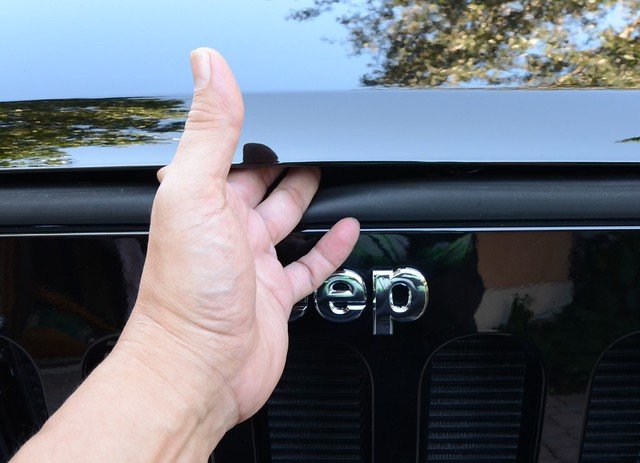
Slide your hand under the center of the hood. You’ll feel a metal tab. Push it to one side (usually to the left).
7. Open The Hood Fully
Lift the hood all the way. Use the prop rod (usually attached to the engine bay) to hold the hood open.
For Cherokee, Grand Cherokee, Renegade, Liberty
1. Find The Interior Release Lever
Look under the dashboard, to the left of the steering wheel. There will be a lever with a hood icon.
2. Pull The Lever
You’ll hear a click. This pops the hood up a little.
3. Go To The Front Of The Jeep
Stand in front of the grille.
4. Feel For The Safety Latch
Slide your hand under the front edge of the hood. There’s a small metal latch—push it to the left or up.
5. Lift The Hood
Raise the hood fully. Use the prop rod if your Jeep has one, or the hood struts will hold it up automatically.
Quick Comparison Of Hood Opening Steps
This table highlights the key differences:
| Step | Wrangler | Cherokee/Grand Cherokee |
|---|---|---|
| Exterior Latches | Yes | No |
| Interior Lever | Yes | Yes |
| Safety Latch | Yes | Yes |
| Prop Rod/Hood Struts | Prop Rod | Both |
Common Issues And How To Fix Them
Sometimes, opening a Jeep hood doesn’t go as planned. Here are a few common problems and how to handle them:
- Stuck Latches: Over time, dirt can build up around the latches. Try pressing down on the hood while pulling the latch to release tension.
- Broken Latch Cable: If the interior lever feels loose or doesn’t work, the cable may be broken. You may need to access the cable from underneath or through the grille.
- Frozen Latch in Winter: In cold climates, latches can freeze. Spray a little WD-40 or de-icer on the latch and wait a few minutes.
- Misaligned Hood: After an accident or rough off-roading, the hood may not line up. Push gently on both sides while trying to release the latches.
One detail many miss: Always close the hood firmly but not too hard. Slamming can damage the latch, while closing too gently may leave it unlatched.
Tips For Safe And Easy Hood Operation
- Check the area: Make sure there are no tools or debris on the engine before closing the hood.
- Use both hands: Lifting with two hands keeps the hood balanced and prevents bending.
- Lubricate latches: Twice a year, add a drop of oil to the hinges and latches for smooth operation.
- Practice: If you’re new to Jeeps, open and close the hood a few times at home before your first off-road trip.
Some Jeep owners forget that the prop rod must be properly seated to avoid accidents. Always double-check before letting go of the hood.
Frequently Asked Questions
How Do I Open The Hood If The Release Lever Is Broken?
If the interior lever is broken, try accessing the cable from underneath the Jeep or behind the grille. Sometimes, a long screwdriver can help push the latch. If you can’t open it, a mechanic may need to help.
Why Does My Jeep Wrangler Have Exterior Hood Latches?
The exterior latches on Wranglers help keep the hood secure during off-road driving. They prevent the hood from bouncing or opening on rough terrain, a feature that dates back to Jeep’s military roots.
What Should I Do If The Hood Won’t Close Completely?
First, check for any obstructions in the engine bay. If nothing is in the way, the latch or safety catch might need lubrication. Don’t drive until the hood is fully closed and secure.
Are There Differences Between Opening A Classic Jeep And A Modern One?
Yes, classic Jeeps (like the CJ series) may use different latch systems or even pins. Always check your manual or look up your exact model before trying to force anything.
Where Can I Find More Information About My Specific Jeep Model?
The best source is your owner’s manual, but you can also visit Jeep’s official owner site for guides, diagrams, and videos.
Opening a Jeep hood is simple once you know the steps, but being careful and following the right method for your model keeps you and your vehicle safe.
With practice, you’ll be able to pop the hood easily whether you’re at home or out on the trail.