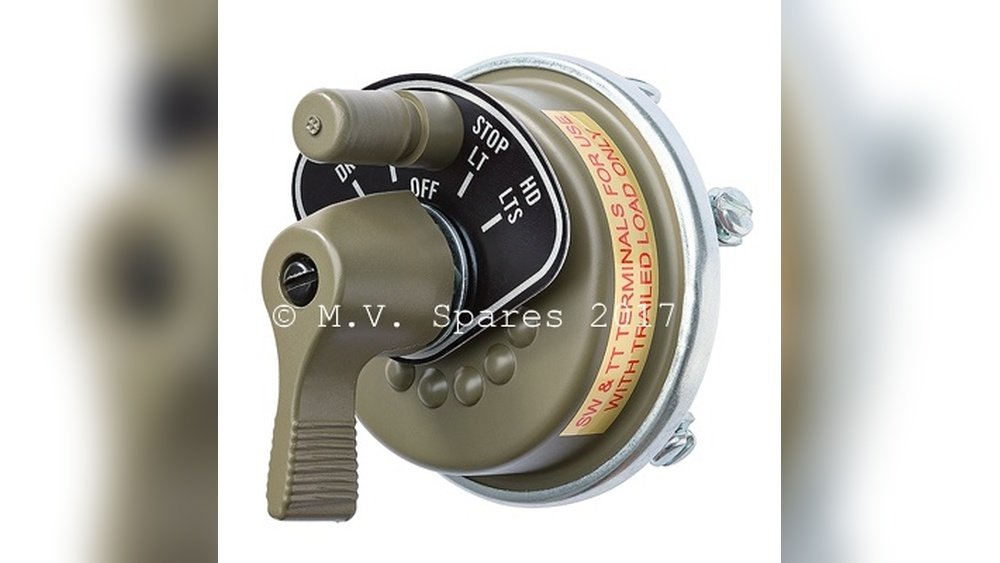
If you have ever sat in an old military jeep, you may have noticed a large, round switch on the dashboard with several labeled positions. This is the army jeep light switch, an iconic but sometimes confusing part of classic military vehicles like the Willys MB, Ford GPW, or later M38 and M151 models.
While modern cars use simple headlight switches, army jeeps were built for unique wartime needs. Their light switches allow drivers to control different lights for driving, convoy, blackout, and signaling modes.
If you want to drive or restore an army jeep, knowing how to use this switch is essential—not just for safety, but for keeping your jeep authentic. Let’s break down how these switches work, what the different positions do, and how to use them correctly.
Why Army Jeeps Use Special Light Switches
Army jeep light switches are different from civilian car switches. These switches were designed during wartime when controlling light was a matter of survival. Drivers needed options for blackout driving, which meant moving at night without being seen by enemy aircraft or troops. Instead of a simple on/off, these switches control several lights and limit brightness. They also include safety features to prevent accidental full-light use.
For example, in World War II, convoys of jeeps had to move at night with only tiny blackout marker lights. The switch made it easy to change between these and regular headlights. Today, these switches are still used by collectors, restorers, and military vehicle enthusiasts.
Basic Layout Of The Army Jeep Light Switch
The classic army jeep light switch is a large, round device, usually mounted on the dashboard’s left side. Most have a rotary knob and a pull-out or push-button function.
The switch is heavy-duty and designed for rough use.
Here is a typical layout:
| Position | Label | Function |
|---|---|---|
| 1 | OFF | All lights off |
| 2 | SERVICE DRIVE | Headlights, tail lights, dash lights on |
| 3 | SERVICE STOP | Brake lights on with pedal |
| 4 | BLACKOUT DRIVE | Blackout marker lights only |
| 5 | BLACKOUT MARKER | All blackout lights |
| 6 | BLACKOUT STOP | Blackout stop lights (with brake pedal) |
Some switches combine certain functions, or use slightly different wording, but most follow this pattern.
How To Operate The Army Jeep Light Switch
Understanding each position is the first step. Here’s how to use the switch step by step.
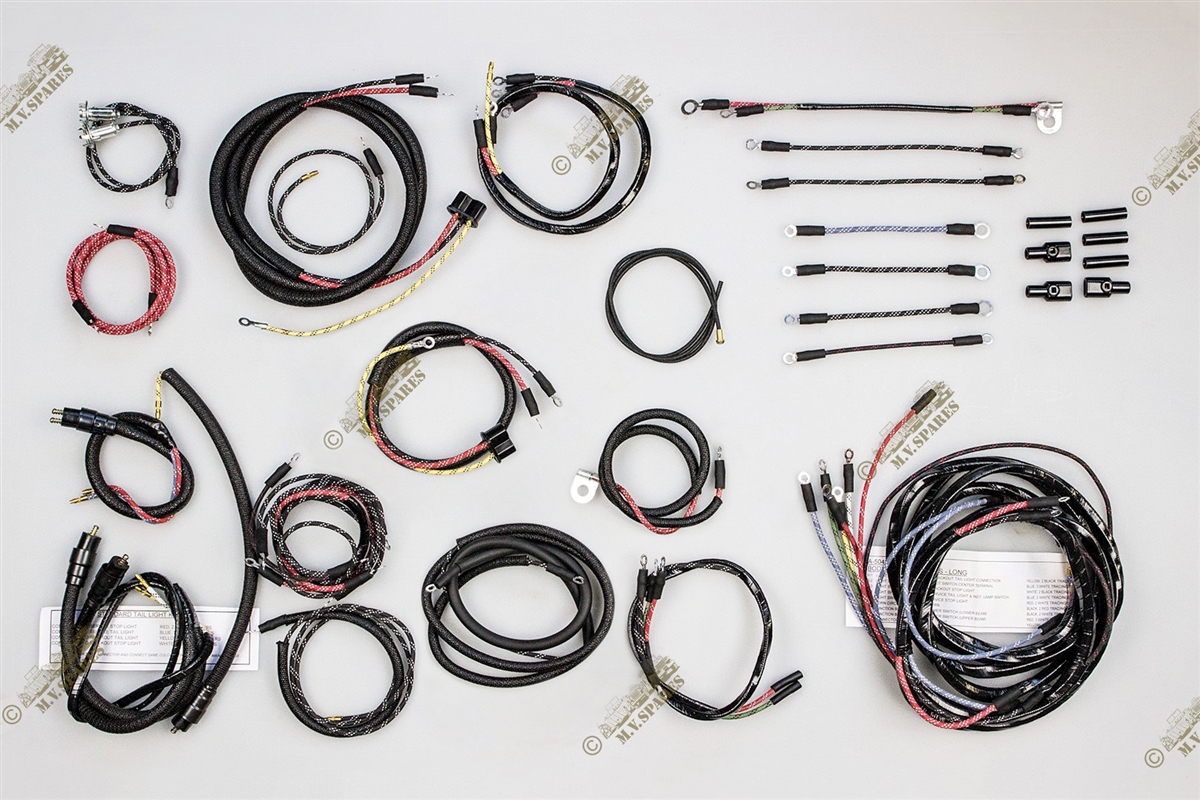
Step 1: Identifying The Switch
Look for the rotary knob with clear labels around it. It may also have a locking pin or button on the side or center. This prevents accidental switching, especially important for blackout modes.
Step 2: Unlocking The Switch
Most army jeep switches have a lock-out feature. You may need to pull out or press a small pin before you can rotate the knob from OFF to any other position. This design keeps you from turning on headlights accidentally during blackout situations.
Step 3: Selecting The Desired Light Mode
Turn the knob to the position you want. Each click moves the switch to a different mode:
- OFF: All lights are off.
- SERVICE DRIVE: Use this for normal driving. Regular headlights, tail lights, and dash lights come on.
- SERVICE STOP: Only brake lights work (when you press the pedal). Good for parking with engine running.
- BLACKOUT DRIVE: Only the small blackout driving lights work. These are dim, shielded lights for night convoy driving.
- BLACKOUT MARKER: All blackout marker lights are on, including those that help vehicles follow each other at night.
- BLACKOUT STOP: Only the blackout brake lights work with pedal pressure.
Move the knob gently; forcing it can damage the mechanism, especially in older or restored switches.
Step 4: Using The Lock-out
When you select a blackout mode, the switch may lock in that position. To return to a regular driving mode, you usually have to pull or push the locking pin again. This protects against accidentally blinding a convoy with full headlights.
Step 5: Turning Lights Off
Always return the knob to OFF when finished. This saves battery and prevents unwanted attention—an important habit, even today.
What Each Position Actually Does
Here is a more detailed look at each switch position and how it affects your army jeep’s lights.
| Switch Position | Lights Activated | When to Use |
|---|---|---|
| SERVICE DRIVE | Headlights, tail lights, dash lights | Day or night driving on normal roads |
| SERVICE STOP | Brake lights only (with pedal) | Parking with engine running, waiting at checkpoints |
| BLACKOUT DRIVE | Blackout driving lights only | Night convoy, no visible headlights |
| BLACKOUT MARKER | Blackout marker lights | Following another vehicle closely at night |
| BLACKOUT STOP | Blackout brake lights (with pedal) | Stopping in a convoy at night |
Blackout lights are designed to be nearly invisible from above or far away. They use small, shielded bulbs and aim downward. In most conditions, these lights are just bright enough for the driver to follow the road or another vehicle but not enough for the enemy to spot from the air.
Tips For Using The Army Jeep Light Switch Safely
Operating a classic army jeep isn’t like driving a modern car. Here are some practical tips:
- Learn before you drive: Practice switching between modes while the jeep is stationary. This builds muscle memory.
- Check all lights regularly: Old wiring and bulbs can fail. Test each mode—especially blackout lights—before driving at night.
- Use blackout modes carefully: Blackout lights are very dim. Do not drive fast, and watch for pedestrians or obstacles.
- Understand local laws: In some places, blackout lights may not be street legal. Use them only on private property or at reenactment events.
- Keep the switch clean: Dirt and corrosion can cause the switch to stick or malfunction. Regularly clean and lightly lubricate moving parts.
Common Problems And Solutions
Classic army jeeps are decades old. Their light switches may develop problems. Here are some common issues and fixes.
Problem 1: Switch Won’t Turn
If the knob is stuck, don’t force it. The lock-out pin may be jammed. Gently wiggle the pin while trying to turn, or spray a little electrical contact cleaner into the mechanism.
Problem 2: Lights Don’t Work In Some Modes
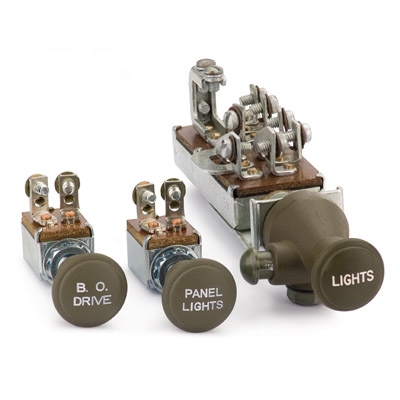
Check the wiring behind the dashboard. Many jeeps have old, brittle wires.
Corrosion at the switch terminals is common. Clean contacts with a small wire brush and check for broken wires.
Problem 3: Blackout Lights Too Dim
Blackout lights should be dim, but if they are barely visible even in total darkness, the bulb or socket may be corroded. Replace with the correct military-style bulb.
Avoid using civilian bulbs they may be too bright.
Problem 4: Switch Feels Loose
A loose switch can cause intermittent connection. Tighten the mounting nuts behind the dashboard.
If the knob wobbles, the internal shaft may be worn and need replacing.
How Army Jeep Light Switches Compare To Civilian Switches
Army jeep light switches are more complicated than those in civilian cars. Here’s a quick comparison:
| Feature | Army Jeep Switch | Civilian Car Switch |
|---|---|---|
| Number of Modes | 5–6 (including blackout) | 2–3 (on/off, high/low beam) |
| Lock-Out Pin | Yes | No |
| Blackout Lights | Yes | No |
| Service Lights | Yes | Yes |
| Marker Lights | Blackout markers | Standard side markers |
Most civilian switches are simple and intuitive, while army switches require more knowledge and attention. This complexity is necessary for military safety but can confuse new owners.
Two Insights Most Beginners Miss
Many new jeep owners overlook two important details:
- Blackout brake lights are not visible in the same way as normal brake lights. If you drive in blackout mode, the vehicle behind you will see only a faint glow when you brake. Never assume they can stop in time—always keep extra distance in convoy driving.
- The lock-out feature must be reset after using blackout modes. If you leave the switch in blackout or forget to unlock it, you may not be able to use normal headlights next time. Always return the switch fully to OFF, then to SERVICE DRIVE, before your next trip.
Restoring Or Replacing An Army Jeep Light Switch
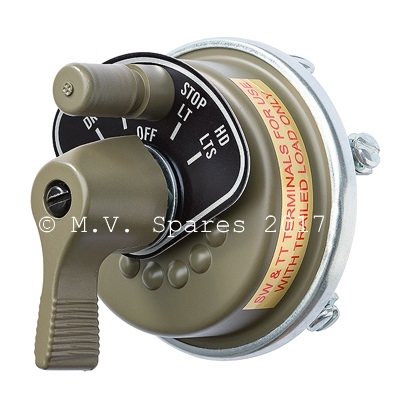
If your switch is broken or missing, you can find reproduction or NOS (new old stock) replacements. When choosing a replacement:
- Look for a switch that matches your jeep’s model and year.
- Check the wiring diagram for your specific jeep (MB, GPW, M38, etc. ).
- Use the correct gauge wire and terminal connectors.
- Test the switch thoroughly before driving at night.
Some enthusiasts prefer to restore original switches for authenticity. Clean all contacts, replace worn pins and springs, and check for smooth operation.
For more details on original parts and restoration, the Willys MB Wikipedia page is a useful resource.
Frequently Asked Questions
What Is The Purpose Of Blackout Lights On An Army Jeep?
Blackout lights are designed for night driving without being easily seen by enemies. They use low-intensity bulbs and special shields to reduce visibility from a distance or from above.
Can I Use The Army Jeep Light Switch On Public Roads?
You can use the service drive and service stop modes on public roads, but blackout modes are usually not legal for regular traffic. Always check local traffic laws before using blackout lights outside of military events or private property.
How Do I Know If My Blackout Lights Are Working?
Test the blackout modes in a dark area. The blackout driving light should show a small, shielded beam, and blackout marker lights will glow softly. Have someone stand behind the jeep to check the blackout brake lights when you press the pedal.
Why Does My Army Jeep Light Switch Have A Locking Pin?
The locking pin prevents accidental switching, especially from blackout mode to regular headlights. This safety feature was vital in military convoys to avoid revealing the vehicle’s position at night.
Is It Difficult To Install A Replacement Army Jeep Light Switch?
Replacing the switch requires basic tools and some electrical knowledge. Always disconnect the battery first. Follow a wiring diagram for your jeep model, and check all connections carefully before using the lights.
Classic army jeeps are more than just vehicles—they are rolling pieces of history. Learning to use the army jeep light switch is part of enjoying and preserving these legendary machines. Whether you’re restoring, collecting, or just curious, understanding the switch’s functions will help you drive safely and authentically.