Owning a Jeep means adventure, but overheating can quickly end your fun. Many Jeep owners face this problem, especially in hot climates or during off-roading.
If your Jeep overheats, it can damage the engine and cost you thousands in repairs. Understanding why it happens and how to fix it can save you time, money, and stress.
This guide will help you solve Jeep overheating for good, using clear steps and real-world advice.
Common Causes Of Jeep Overheating
Jeep engines run hot, but overheating is not normal. Knowing the main reasons is the first step.
- Low coolant level: Coolant absorbs engine heat. If it’s low, the engine can’t stay cool.
- Old radiator: Radiators get clogged or corroded over time, reducing cooling efficiency.
- Bad thermostat: A stuck thermostat can block coolant flow, causing quick overheating.
- Faulty water pump: The water pump moves coolant. If it fails, the coolant stops circulating.
- Fan problems: Electric or mechanical fans cool the radiator. If they stop working, heat builds up.
- Leaking hoses: Hoses carry coolant. Leaks cause loss of fluid and pressure.
Here’s a quick comparison of typical symptoms and causes:
| Symptom | Possible Cause | Urgency |
|---|---|---|
| Steam from hood | Coolant leak | High |
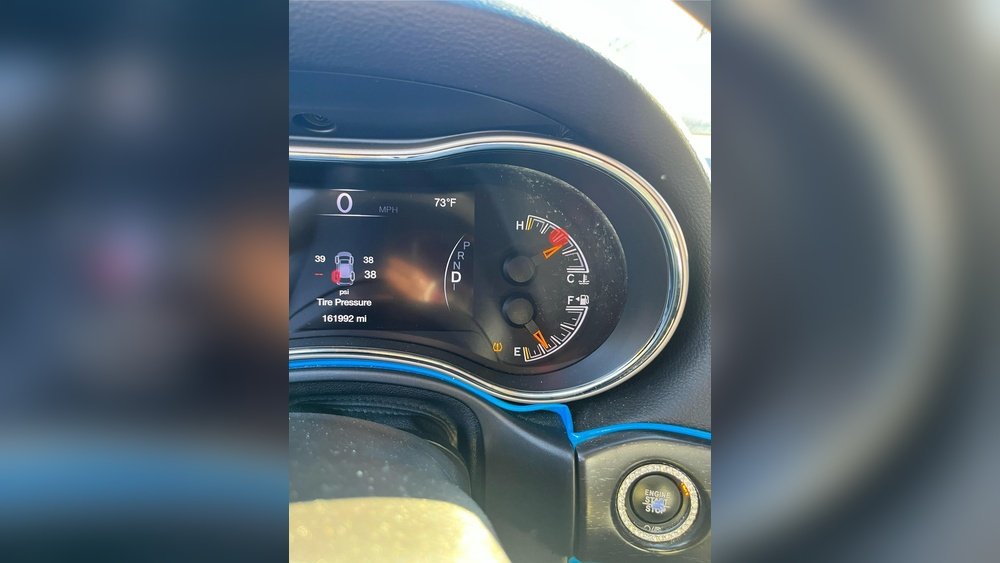
| Temperature gauge spikes | Bad thermostat | Medium |
| Coolant puddle | Broken hose | High |
| Fan not spinning | Electrical issue | Medium |
How To Prevent Jeep Overheating
You can avoid most overheating problems with regular care and quick action.
Check Coolant Regularly
- Open the hood when the engine is cold.
- Look at the coolant reservoir. It should be between the “Min” and “Max” lines.
- If low, add a 50/50 mix of antifreeze and water. Never use just water.
Inspect Radiator And Hoses
- Look for cracks, rust, or leaks on the radiator.
- Squeeze hoses gently. They should feel firm, not soft or brittle.
- Replace any damaged parts immediately.
Test The Thermostat
A thermostat controls coolant flow. If your Jeep heats up quickly but then cools down, it may be sticking.
- Remove the thermostat and place it in hot water. It should open at the correct temperature (usually 195°F).
- If it doesn’t open, install a new one.
Check The Water Pump
If you see coolant leaking from the pump or hear grinding noises, it’s likely failing.
- Watch for coolant around the pump shaft.
- Replace the water pump if you see leaks or hear noise.
Examine The Cooling Fan
- Start your Jeep and let it idle. The fan should turn on as the engine heats up.
- If it doesn’t, check the fuse, wiring, or fan motor.
Flush The Cooling System
Over time, coolant breaks down and gets dirty. Flushing removes old coolant and debris.
- Drain the old coolant.
- Fill with new coolant and run the engine for 15 minutes.
- Drain again and refill.
Most experts recommend flushing every 30,000 miles or every two years.
| Service | Recommended Interval | Estimated Cost |
|---|---|---|
| Coolant flush | 30,000 miles | $100-$150 |
| Thermostat replacement | 60,000 miles | $80-$120 |
| Water pump replacement | 100,000 miles | $350-$600 |

Upgrades For Tough Conditions
If you live in a hot area or take your Jeep off-road, regular parts may not be enough.
Heavy-duty Radiators
These radiators have more cooling tubes and thicker cores. They can handle high temperatures better.
Electric Fans
Electric fans offer better airflow and cooling control compared to mechanical fans.
Hood Vents
Adding vents helps hot air escape faster, reducing underhood temperature.
Coolant Additives
Some additives improve heat transfer and reduce boiling. Products like Water Wetter are popular among Jeep owners.
Real-world Example
Jake owns a Jeep Wrangler and often drives in Arizona. He noticed his temperature gauge creeping up after a long drive. After checking, he found a clogged radiator and a weak fan. By installing a heavy-duty radiator and electric fan, his Jeep now stays cool even on rough trails.

Common Mistakes To Avoid
- Ignoring the problem: Overheating rarely fixes itself.
- Using plain water: Water lacks corrosion protection and freezes in winter.
- Overfilling coolant: Too much coolant can overflow and cause leaks.
- Skipping regular maintenance: Small issues become big problems if ignored.
When To Seek Professional Help
If you’ve tried everything and your Jeep still overheats, it’s time to visit a mechanic. Head gasket leaks and engine damage need expert repair. Don’t risk driving far with an overheating Jeep; it can ruin the engine.

Frequently Asked Questions
Can I Drive My Jeep If It’s Overheating?
No. Driving while overheating can damage the engine.
Stop and let it cool before checking for issues.
How Often Should I Check My Coolant?
Check coolant every month, especially before long trips or in hot weather.
What Temperature Should My Jeep Run At?
Most Jeeps operate at 195–210°F. If the gauge goes above 220°F, it’s too hot.
Is Overheating Common In Older Jeeps?
Yes. Older Jeeps have more wear on cooling parts. Regular maintenance is even more important.
What’s The Best Coolant For My Jeep?
Use the coolant recommended in your owner’s manual. For most Jeeps, it’s HOAT (Hybrid Organic Acid Technology) or OAT coolant.
Keeping your Jeep cool is simple once you know what to check. Regular inspections and timely repairs prevent most overheating problems. Upgrades like heavy-duty radiators and fans help in extreme conditions. Don’t wait until your engine is steaming; act early and enjoy worry-free driving. If you need more technical details, visit the official Jeep site for specifications and updates. With these steps, your Jeep will stay reliable and ready for adventure.