If your Jeep Cherokee suddenly refuses to start and you see a flashing red light on the dashboard, you might be facing an anti-theft system lockout. This situation can be stressful, especially if you need your vehicle right away. Many owners are not sure how to reset this system without visiting a dealership or calling for roadside help. The good news: you can often solve this problem yourself with a few easy steps. This guide will show you how, explain what causes anti-theft lockouts, and help you avoid future problems.
What Is The Anti-theft System In A Jeep Cherokee?
The anti-theft system, also called the Sentry Key Immobilizer System (SKIS), is designed to stop unauthorized people from starting your Jeep. It uses a special chip in your key fob. If the system does not recognize the chip, it cuts off power to the engine. This keeps your car safe, but it can also lock you out if there’s a glitch.
Here’s a quick look at how the anti-theft system works:
| Component | Function |
|---|---|
| Key Fob Chip | Sends unique code to car’s computer |
| Immobilizer Module | Checks if code matches authorized keys |
| Alarm System | Triggers if unauthorized access detected |
Common causes for accidental anti-theft lockout include:
- Using a weak or dead key fob battery
- Interference from other electronic devices
- Disconnecting the car battery
- Damaged or worn key fob
Step-by-step: How To Reset The Anti-theft System
Resetting the anti-theft system usually takes just a few minutes. Here’s what you should do if your Jeep Cherokee won’t start due to the anti-theft lockout:
1. Try The Key Cycle Method
- Insert the key into the ignition.
- Turn it to the “ON” position (don’t start the engine).
- Wait 10 minutes. The security light should stop flashing.
- Turn the key off, remove it, and wait a few seconds.
- Try starting your Jeep.
This simple process clears most temporary glitches. If the security light stays on, repeat the steps up to three times.
2. Disconnect And Reconnect The Car Battery
If the key cycle method doesn’t work:
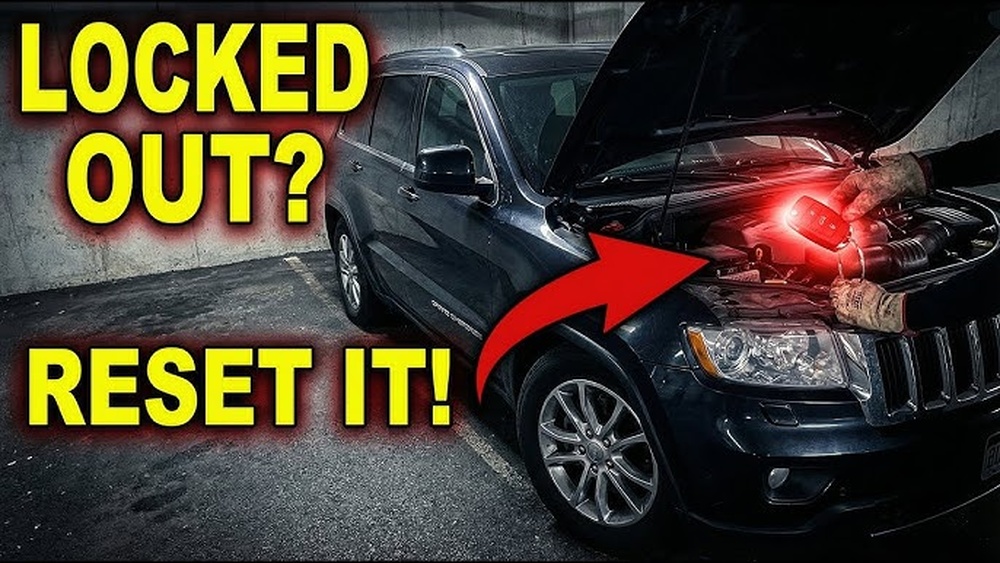
- Open the hood and locate the battery.
- Use a wrench to remove the negative (black) terminal.
- Wait 15 minutes to reset the car’s computer.
- Reconnect the terminal, tighten it, and close the hood.
- Try starting the car again.
Important tip: Make sure you have your radio and system codes before disconnecting the battery, as some features may reset.
3. Use The Door Unlock Method
Some older Jeep Cherokees allow you to reset the system this way:
- Insert the key into the driver’s door.
- Turn the key to the unlock position and hold it for about 10 seconds.
- Turn the key back to the center and remove it.
- Try starting the engine.
4. Check The Key Fob Battery
A weak fob battery may not send the right signal. Change the battery if you notice:
- The buttons work only up close
- The red light on the fob is dim or doesn’t light up
After replacing the battery, try the key cycle method again.
5. Program A Spare Key
If you have a second, working key, use it to start your Jeep. If it works, the problem is likely with your primary key.
You may need to have the faulty key reprogrammed at a dealership.

When To Call For Help
If none of these steps work, the anti-theft system may have a bigger problem. Possible issues include a faulty immobilizer module, damaged wiring, or a completely failed key fob. In these cases, you’ll need a professional diagnosis.
Here’s a quick comparison of DIY solutions vs. dealership service:
| Option | Time Required | Cost | Success Rate |
|---|---|---|---|
| DIY Reset | 10-30 minutes | $0 (if tools available) | High for minor glitches |
| Dealership Visit | 1-2 hours | $100-$400 | Almost certain |
Non-obvious insight: Many owners overlook the effect of low car battery voltage. A weak car battery can trigger false alarms in the anti-theft system. Checking and replacing your main car battery can sometimes fix persistent issues.
How To Avoid Future Anti-theft Lockouts
You can reduce the risk of getting locked out by taking a few preventive steps:
- Keep your key fob battery fresh; replace it every 1-2 years.
- Avoid placing your keys near devices like smartphones or microwaves, which can cause signal interference.
- Don’t disconnect the car battery unless needed.
- Have a spare, programmed key handy in case the primary fails.
Here’s a quick look at how prevention compares to dealing with a lockout:
| Prevention Strategy | Effort Level | Benefit |
|---|---|---|
| Replace key fob batteries | Low | Avoids most signal problems |
| Keep spare key | Medium | Quick recovery from lockout |
| Avoid interference | Low | Reduces false alarms |
Another useful tip: if you ever need to disconnect the battery (for repairs or storage), reconnect it while holding the key in the “ON” position. This can sometimes prevent the anti-theft system from arming itself by mistake.
Frequently Asked Questions
How Do I Know If My Jeep Cherokee Anti-theft System Is Activated?
You’ll usually see a flashing red security light on your dashboard. The engine may crank but not start, or you might hear a clicking sound.
Will Disconnecting The Battery Always Reset The Anti-theft System?
No. While disconnecting the battery can reset the system, it won’t help if there’s a problem with the key fob or the immobilizer module.
What If My Spare Key Doesn’t Work Either?
If both keys fail, the problem is likely in the car’s immobilizer system or wiring. At this point, you’ll need to contact a qualified Jeep technician.
Can I Permanently Disable The Anti-theft System On My Jeep Cherokee?
Disabling the anti-theft system is not recommended. It protects your vehicle from theft, and tampering with it can lead to electrical problems or void your warranty.
Always try to reset or repair it instead.
Where Can I Find Official Jeep Instructions?
You can find official instructions and support on the Jeep Support website.
Sometimes, a simple reset is all you need to get your Jeep Cherokee running again. With these steps, you can solve most anti-theft problems yourself and save time and money. If the issue returns often, have your system checked by a professional—you’ll avoid future headaches and keep your Jeep secure.