The story behind the Jeep Cherokee name blends American history, automotive marketing, and cultural conversations. When you drive or see a Jeep Cherokee, you might wonder where its name comes from and why it was chosen.
The answer is more than just a random pick—it tells us about car branding, the legacy of Native American names in the US, and how society’s views have changed over time.
The Origin Of The Cherokee Name
The Cherokee name comes from one of the largest Native American tribes in the United States. The Cherokee people lived in the southeastern US, including parts of Georgia, North Carolina, Tennessee, and Alabama. The tribe is well known for its history, culture, and the difficult journey known as the Trail of Tears in the 1830s.
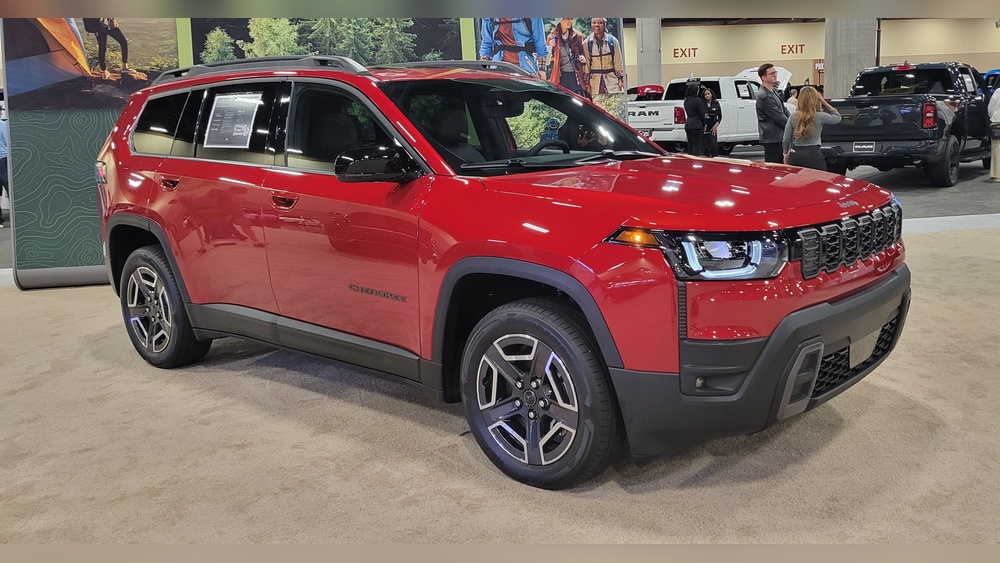
When Jeep chose the name “Cherokee” in the 1970s, it was following a trend. Car companies often used Native American names for vehicles, such as Pontiac, Apache, and Comanche. These names were meant to suggest strength, adventure, and ruggedness—qualities car buyers found appealing. But the choice also reflected a time when companies did not always consider the deeper meaning or the feelings of the people whose names were used.
Why Jeep Chose “cherokee”
In 1974, Jeep wanted to launch a new version of its Wagoneer model. They needed a name that sounded bold and different. “Cherokee” was chosen to create an image of freedom, power, and off-road ability. The first Jeep Cherokee was marketed as a sportier, more youthful SUV compared to the family-focused Wagoneer.
Jeep’s marketing focused on the idea of adventure—exploring mountains, forests, and wild places. The Cherokee name helped build this image. The car became popular, especially among people who liked outdoor activities. Over time, the Jeep Cherokee became one of the brand’s most successful and recognized models.
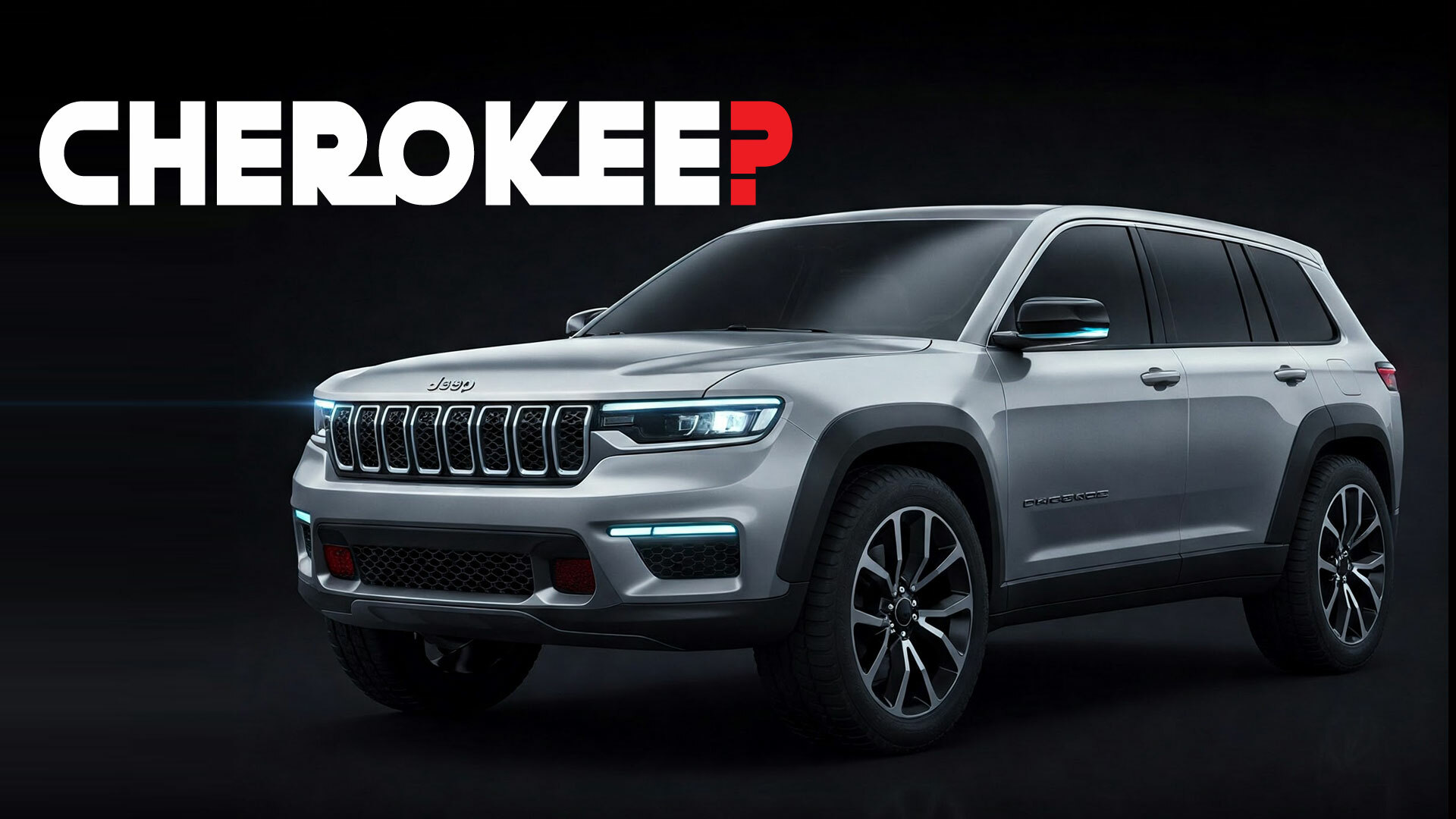
How The Name Influenced Other Jeep Models
The success of the Cherokee led Jeep to use other Native American names for later vehicles. For example:
- Jeep Grand Cherokee (introduced in 1992)
- Jeep Comanche (a pickup truck sold from 1986 to 1992)
These names followed the same theme: linking the vehicles to ideas of toughness and adventure. The Grand Cherokee became especially popular as a midsize SUV, with over 200,000 units sold per year in the US in recent years.
Comparing Jeep Cherokee And Grand Cherokee
Here’s a simple comparison between the two best-known models:
| Feature | Jeep Cherokee | Jeep Grand Cherokee |
|---|---|---|
| Launch Year | 1974 (modern version: 2014) | 1992 |
| Size | Compact/Midsize SUV | Midsize SUV |
| Seats | 5 | 5–7 |
| Target Market | Young families, adventurers | Families, luxury SUV buyers |
Native American Names In Car Culture
During the 20th century, many car makers used Native American names to give their vehicles a strong, unique identity. Some popular examples:
| Vehicle | Brand | Name Origin |
|---|---|---|
| Pontiac | General Motors | Named after Chief Pontiac |
| Apache | Chevrolet | Named after Apache tribe |
| Comanche | Jeep | Named after Comanche tribe |
| Cherokee | Jeep | Named after Cherokee tribe |
This trend was rarely questioned in the past. Companies believed these names were a way to honor Native American culture.
However, over the years, more people began to see problems with this practice.
Controversy And Changing Perspectives
In recent years, using Native American names for sports teams, cars, and other products has become controversial. Some Native American groups and their supporters argue that using these names is disrespectful and does not honor their culture. Instead, they feel it turns their history into a brand or stereotype.
In 2021, the principal chief of the Cherokee Nation, Chuck Hoskin Jr. , said he did not support Jeep using the Cherokee name without permission.
He explained that names should not be used just for “profit. ” This statement started a wider conversation about whether Jeep should change the name or work with the Cherokee Nation more closely.
Many companies have already changed names that use Native American terms after public pressure. So far, Jeep has kept the Cherokee name, but the brand says it is open to discussion with the Cherokee Nation.
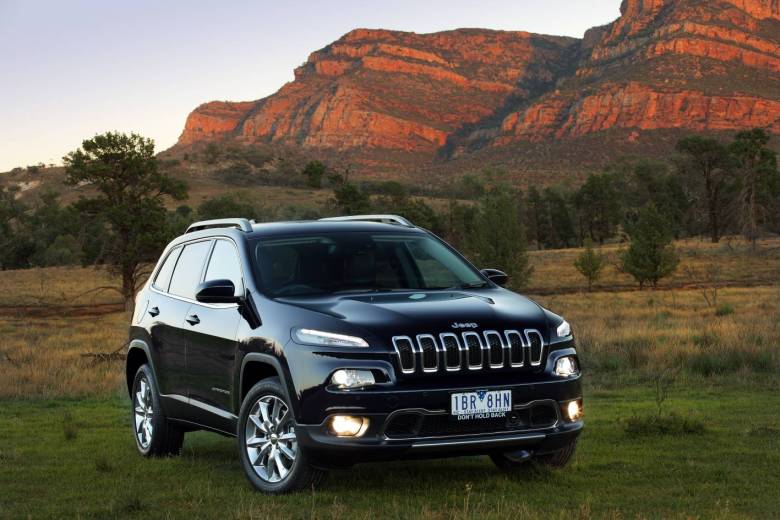
Non-obvious Insights About The Jeep Cherokee Name
- Few car buyers realize that Jeep never asked permission from the Cherokee Nation before using the name. This was normal in the past, but today, companies are expected to get approval or form partnerships.
- The name “Cherokee” helped Jeep’s global image, but in some countries, the model is sold under different names. For example, in Europe, the original Cherokee was once sold as the “Liberty” to avoid negative reactions.
These details show how a simple name choice can have wide effects—on branding, sales, and social discussion.
The Lasting Impact Of The Name
The Jeep Cherokee name has become one of the most famous SUV names in the world. Millions of people recognize it, and it stands for adventure and reliability. But as society becomes more aware of cultural respect, the future of the name is less certain. Jeep faces a choice: keep the name, change it, or work more closely with the Cherokee Nation.
If you want to learn more about the history of the Cherokee people, check the Wikipedia page on the Cherokee Nation.

Frequently Asked Questions
Why Did Jeep Choose The Name Cherokee?
Jeep chose the Cherokee name to create a strong, adventurous image for its SUV. The company wanted buyers to think of power, freedom, and outdoor life.
Has Jeep Ever Asked The Cherokee Nation For Permission?
No, Jeep did not ask for permission when it first used the name. In recent years, the Cherokee Nation has asked Jeep to reconsider or to work together respectfully.
Are There Other Cars Named After Native American Tribes?
Yes, several cars and trucks have used Native American names. Examples include Pontiac (Chief Pontiac), Chevrolet Apache, and Jeep Comanche.
Is The Jeep Cherokee Name Used Worldwide?
No. In some regions, Jeep uses different names like “Liberty” instead of “Cherokee” to avoid controversy or confusion.
Will Jeep Change The Cherokee Name In The Future?
As of now, Jeep has not announced any plans to change the name. However, discussions with the Cherokee Nation and public opinion may affect this decision in the future.