If you drive a Jeep, you may have heard of something called the death wobble. The name sounds scary, and for good reason—it can shake your steering wheel violently and make your Jeep hard to control.
Many owners ask: how common is the Jeep death wobble, and should you worry about it? Let’s dive into what causes it, which Jeeps are most at risk, how often it really happens, and what you can do to avoid it.
What Is The Jeep Death Wobble?
The death wobble is a strong, fast shaking of the front wheels and steering wheel. It usually happens after hitting a bump at highway speeds. The Jeep may feel like it’s vibrating out of control. You might need to slow down or even stop to make it stop.
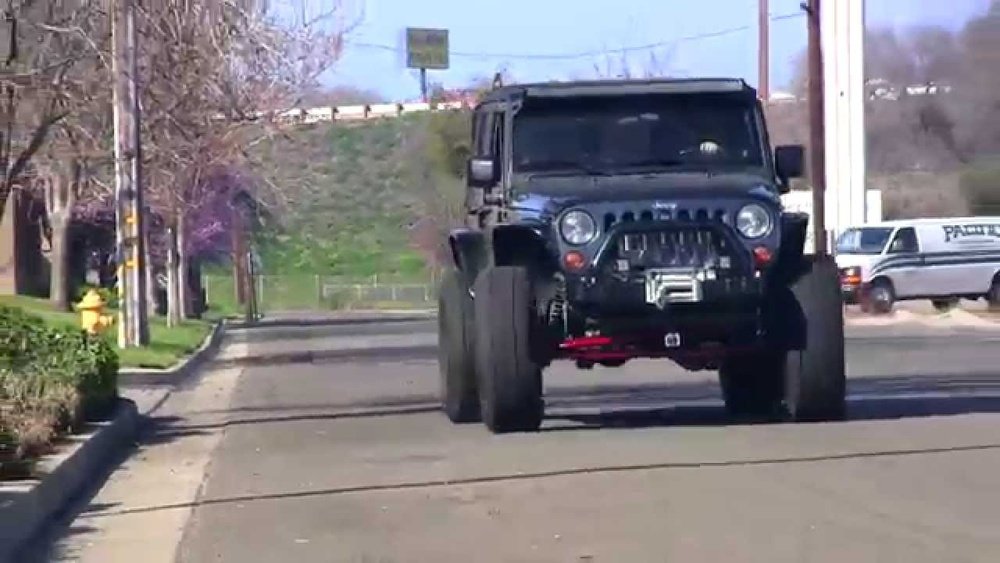
This problem is not just a small shake or vibration. It is much worse and can feel dangerous, especially for new drivers. The death wobble is most common in Jeeps with a solid front axle, such as the Wrangler and some older Cherokees.
How Common Is The Death Wobble?
There is no exact number for how many Jeeps get the death wobble, but it is not rare. In fact, the National Highway Traffic Safety Administration (NHTSA) has received hundreds of complaints about this issue over the years. A 2019 NHTSA report mentioned over 600 complaints about death wobble in Jeep Wranglers alone.
Let’s compare Jeep models and their risk of death wobble:
| Jeep Model | Front Axle Type | Death Wobble Risk |
|---|---|---|
| Wrangler (TJ, JK, JL) | Solid | High |
| Grand Cherokee | Independent | Low |
| Cherokee (XJ) | Solid | Medium |
| Renegade | Independent | Very Low |
Based on owner surveys and forum reports, about 5-15% of solid axle Jeep owners have experienced death wobble at least once. Some older Jeep Wranglers (especially 2007-2018 JK models) seem more likely to have this problem, but it can happen to any solid axle Jeep.
What Causes The Death Wobble?
Understanding the cause is key to preventing the death wobble. The main reasons are:
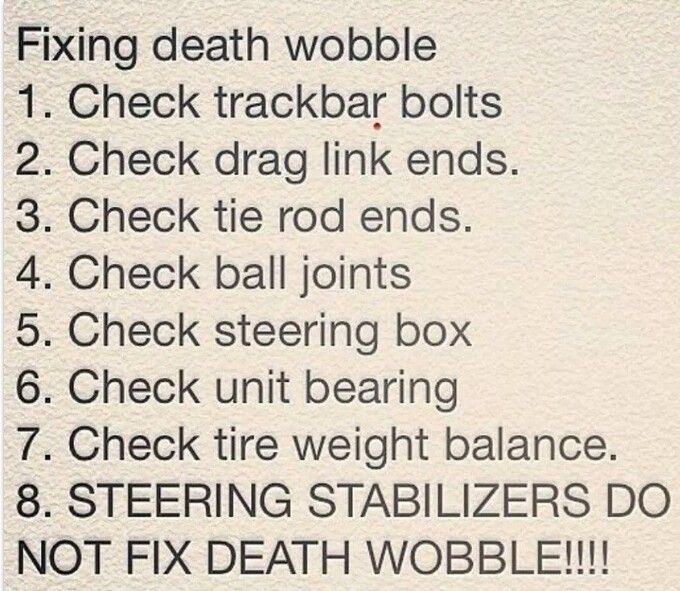
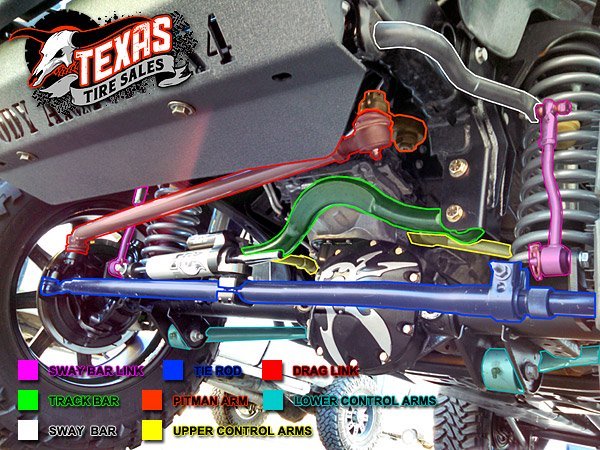
- Worn suspension or steering parts like track bars, tie rods, or ball joints
- Loose bolts in the steering or suspension
- Unbalanced or damaged tires
- Improper alignment after lifting or modifying the Jeep
Here’s a quick look at the most common causes and how often they lead to death wobble:
| Cause | Percentage of Cases | Easy to Fix? |
|---|---|---|
| Worn Track Bar Bushing | 40% | Yes |
| Loose Suspension Bolts | 25% | Yes |
| Out-of-Balance Tires | 15% | Yes |
| Other Suspension Wear | 20% | Sometimes |
A key insight: death wobble is rarely caused by a single problem. Usually, it’s a mix of small issues that add up. Even a small amount of play in the steering can start the wobble if other parts are also worn.
Are Newer Jeeps Still Affected?
Many people think newer Jeeps are safe from the death wobble, but that’s not completely true. Even brand-new Wranglers have had reports of it. In 2019, Jeep offered a steering damper replacement for 2018-2019 Wranglers after some owners complained about wobble.
However, the risk is lower in newer models due to better parts and tighter factory controls. But adding bigger tires or a lift kit even on a new Jeep can increase the chance of death wobble.
How To Prevent And Fix Jeep Death Wobble
You can lower the risk of death wobble by keeping your Jeep’s front suspension in top shape. Here are some steps that work:
- Check and tighten bolts on the suspension and steering regularly.
- Inspect the track bar for worn bushings or loose mounts.
- Balance and rotate tires every few thousand miles.
- Replace worn-out parts like tie rods, ball joints, or steering stabilizers.
- Get an alignment after any suspension change or lift.
Here’s a quick comparison of prevention vs. repair costs:
| Action | Estimated Cost | How Often Needed |
|---|---|---|
| Regular Inspection | $50–$100/year | Annually |
| Track Bar Replacement | $200–$400 | Every 50,000 miles |
| Steering Damper Replacement | $100–$250 | As Needed |
| Full Front-End Repair | $500–$1,200 | Rarely |
One mistake many owners make is replacing the steering damper first. While a new damper can help, it usually only hides the real problem. Always check the track bar and suspension parts first.
Real-world Examples
Many Jeep forums are filled with stories of drivers who experienced the death wobble after hitting a pothole. One Wrangler JK owner reported that after installing a lift and bigger tires, he felt a strong shake at 60 mph.
After checking, he found his track bar bolts were loose.
Tightening them fixed the problem.
Another driver with a 2013 Wrangler noticed the wobble after 70,000 miles. His mechanic found worn ball joints and replaced them, and the wobble was gone.
These examples show that regular checks and repairs are the best way to avoid the death wobble.
Frequently Asked Questions
What Is The Jeep Death Wobble?
The death wobble is a violent shaking of the front wheels and steering wheel, usually at higher speeds, caused by loose or worn suspension parts.
Which Jeep Models Are Most At Risk?
Wranglers with solid front axles (TJ, JK, JL) and older Cherokees are most likely to have death wobble. Models with independent suspension are less at risk.
Can The Death Wobble Cause An Accident?
While it feels scary, the death wobble rarely causes crashes. Most drivers slow down and regain control, but it can be dangerous if not fixed.
Will A Steering Stabilizer Fix Death Wobble?
A new steering stabilizer may help reduce shaking but does not fix the root cause. It’s better to check and repair worn suspension parts first.
Where Can I Learn More About Death Wobble?
You can find more technical details on the Wikipedia death wobble page.
Jeep death wobble is real and not as rare as some think, especially for solid axle models. With regular maintenance and fast repairs, you can keep your Jeep safe and shake-free.
If you ever feel the wobble, don’t ignore it fixing it early is always easier and cheaper.