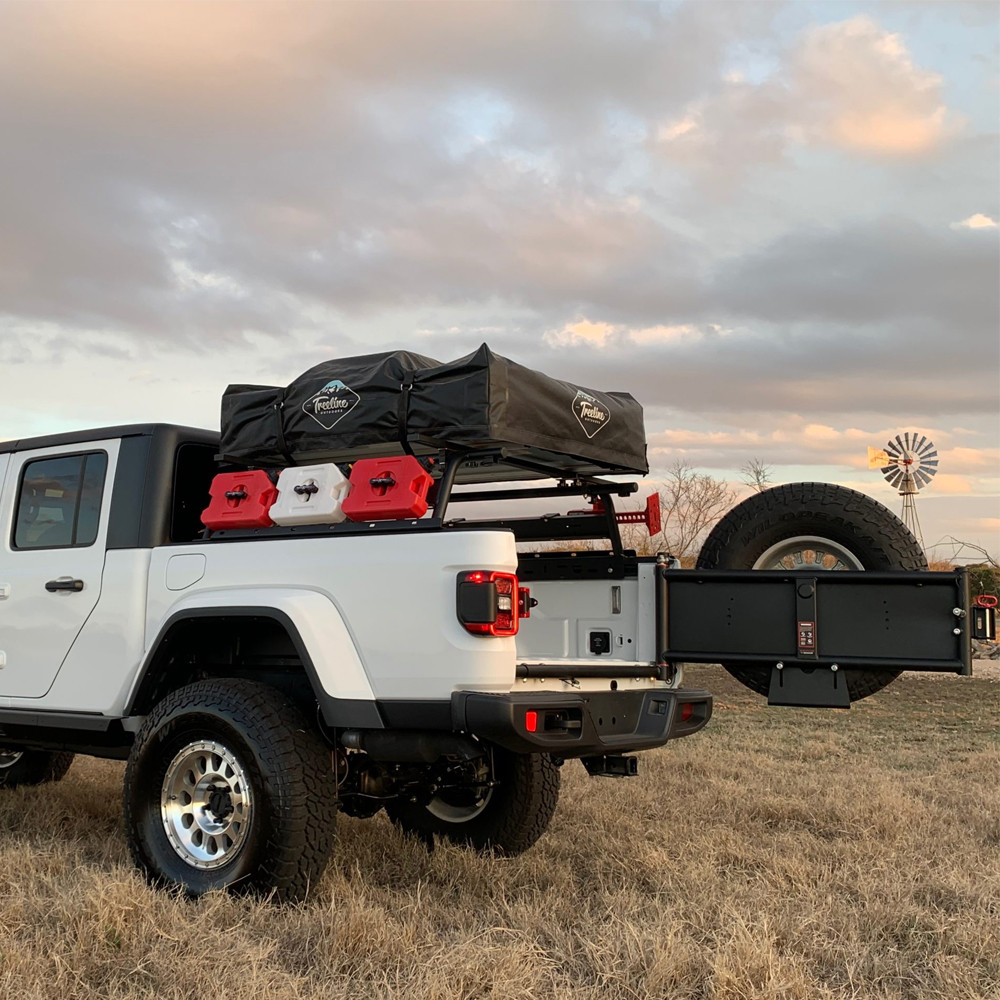
The Jeep Gladiator has quickly become a favorite among truck lovers and off-road fans. Its unique combination of rugged style, open-air driving, and pickup utility makes it stand out.
But when considering a Gladiator, one important detail to look at is its gas tank size.
How much fuel can it hold? How far can you go before needing to fill up?

Let’s take a close look at the Jeep Gladiator gas tank size, why it matters, and how it compares to other trucks in its class.
Jeep Gladiator Gas Tank Size: The Basics
The Jeep Gladiator comes with a single gas tank size for all its trims and model years since its 2020 debut. Whether you choose the Sport, Overland, Rubicon, or Mojave, the fuel tank capacity is:
22 gallons (83.3 liters)
This means you can fill the tank with up to 22 gallons of gasoline before it’s full. Jeep kept things simple by giving every Gladiator the same tank, making it easy for buyers to compare options.
Why 22 Gallons?
Jeep designed the Gladiator for both daily driving and serious adventure. A 22-gallon tank strikes a balance between driving range and vehicle weight. Bigger tanks add weight, which reduces fuel economy and may affect handling. Too small, and you’d be stopping for gas too often.
Real-world Driving Range
Having a large gas tank is only helpful if your truck uses fuel efficiently. The Jeep Gladiator’s MPG (miles per gallon) varies by engine and driving style, but here’s what you can expect:
- 3.6L V6 Gas Engine: EPA estimates are 16 mpg city, 23 mpg highway (manual transmission: 16/23; automatic: 17/22).
- 3.0L EcoDiesel V6: EPA estimates are 22 mpg city, 28 mpg highway.
So, how far can you go on a full tank? Here’s a quick breakdown:
| Engine | City Range (miles) | Highway Range (miles) |
|---|---|---|
| 3.6L V6 (Manual) | 352 | 506 |
| 3.6L V6 (Auto) | 374 | 484 |
| 3.0L EcoDiesel | 484 | 616 |
Real-world mileage can be lower, especially if you carry a heavy load, tow a trailer, or drive off-road. Still, a Gladiator diesel could reach over 600 miles on one tank with careful driving.
How Gladiator’s Tank Size Compares
You might wonder how the Gladiator’s gas tank size stacks up against other midsize trucks. Here’s a quick comparison:
| Truck | Gas Tank Capacity (gallons) |
|---|---|
| Jeep Gladiator | 22 |
| Toyota Tacoma | 21.1 |
| Chevrolet Colorado | 21 |
| Ford Ranger | 18 |
| Honda Ridgeline | 19.5 |
| Nissan Frontier | 21.1 |
As you can see, the Gladiator’s tank is one of the largest in its class. This gives it an edge for long trips, especially when paired with the diesel engine.
Factors That Affect Range
A big tank doesn’t guarantee a long range. Here are some things that can change how far you go between fill-ups:
- Driving Habits: Fast acceleration and high speeds use more fuel.
- Terrain: Off-roading or climbing hills increases fuel use.
- Towing/Hauling: Extra weight from trailers or cargo lowers your mpg.
- Tire Size: Larger, knobby tires common on Gladiators can reduce efficiency.
- Weather: Cold starts and strong winds use more gas.
Pay attention to your fuel gauge and range estimate, especially on long journeys or remote trails.

Non-obvious Insights
Many new owners don’t realize that the Jeep Gladiator’s tank shape is designed to fit its frame and off-road hardware. It sits between the frame rails and is protected by skid plates on certain models. This helps prevent damage from rocks or debris—important for off-road adventures.
Another detail: the fuel filler neck on the Gladiator is a bit longer than on some trucks. When filling up, it may take a few extra seconds to reach full capacity, especially if the pump is set to high flow. Some drivers mistake early shut-offs for a full tank but can squeeze in another half gallon by waiting a moment.
Tips For Maximizing Your Range
If you want to go further on each tank, try these tips:
- Keep tires inflated to the recommended pressure.
- Remove extra weight when not needed.
- Use cruise control on highways.
- Avoid idling for long periods.
- Plan routes to avoid traffic and steep climbs.
Small changes can add up, especially if you drive long distances.

Should You Carry Extra Fuel?
For most drivers, the standard 22-gallon tank is enough for daily use and road trips. But if you plan to explore remote areas or go deep off-road, carrying a spare fuel can may be smart. Always secure extra fuel safely and use containers made for gasoline.
Is A Bigger Tank Possible?
Some owners ask about upgrading to a larger tank. While aftermarket options exist, they often require complex installation and may affect your warranty.
For most people, the stock tank is the best choice for reliability and safety.