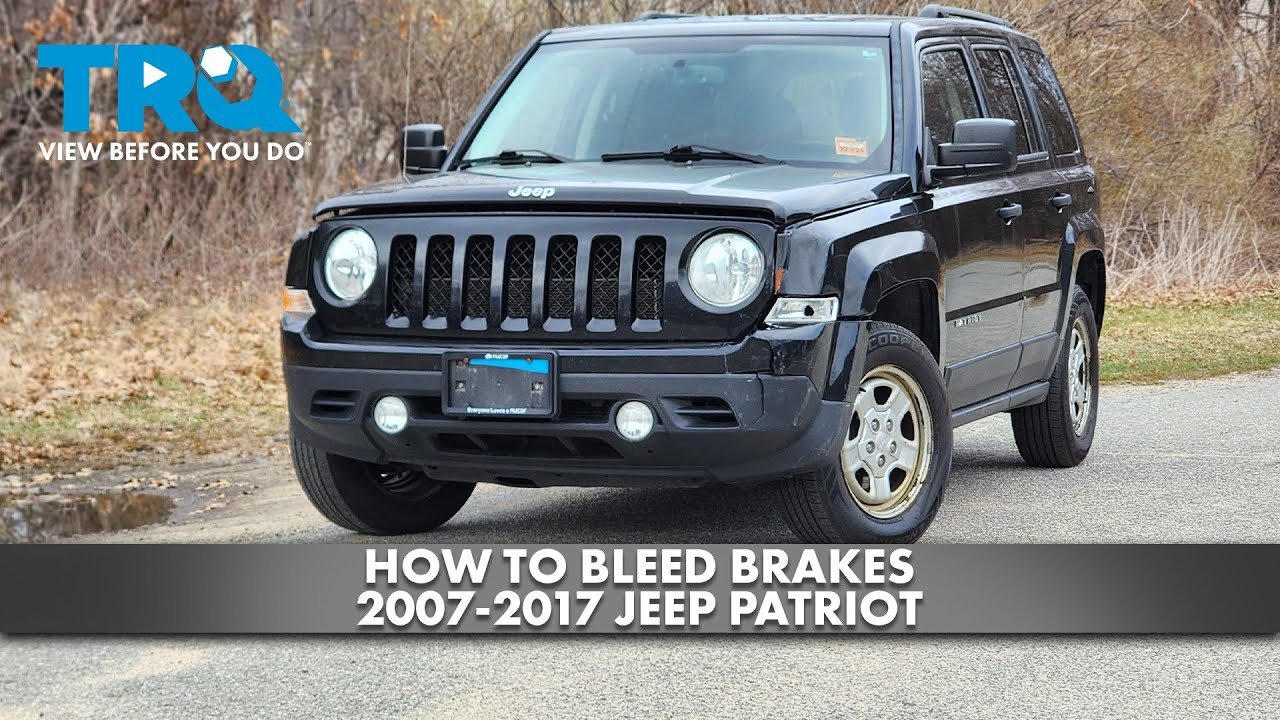
If you look at a Jeep, you might admire its rugged design and strong build. But what happens when you ask, “How aerodynamic is a Jeep?
” This question is not just for car enthusiasts. Anyone who cares about fuel, speed, or even just a quieter ride should understand how the shape of a Jeep affects its performance.
Let’s break down what makes a Jeep aerodynamic (or not), how it compares to other vehicles, and what that means for your experience on the road.
What Does Aerodynamics Mean For Vehicles?
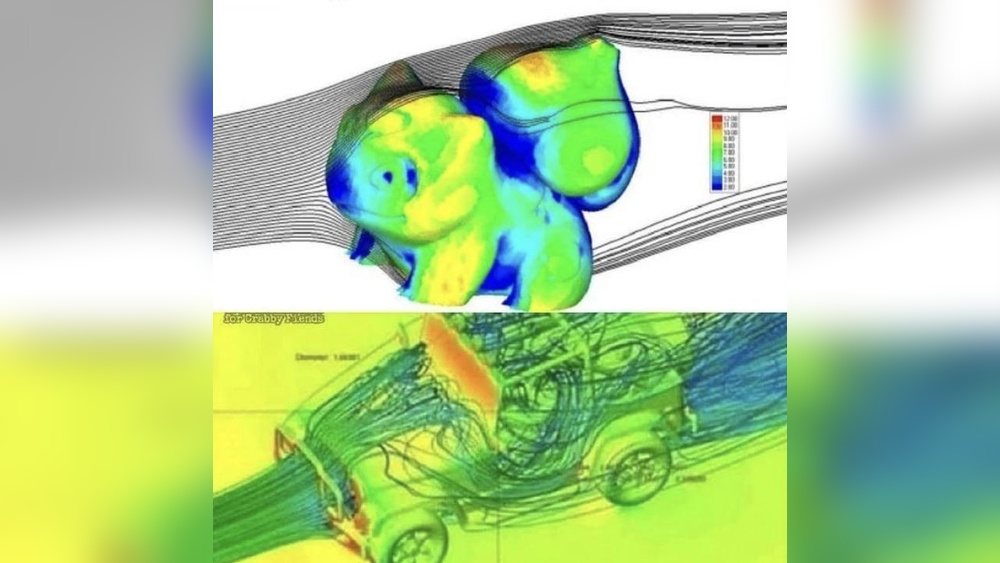
Aerodynamics is about how air moves around a vehicle. The smoother the air flows, the less resistance or “drag” the vehicle faces.
Less drag means better fuel efficiency, higher possible speeds, and less noise from wind. Most modern cars are designed to “cut through” the air.
They are low, smooth, and rounded.
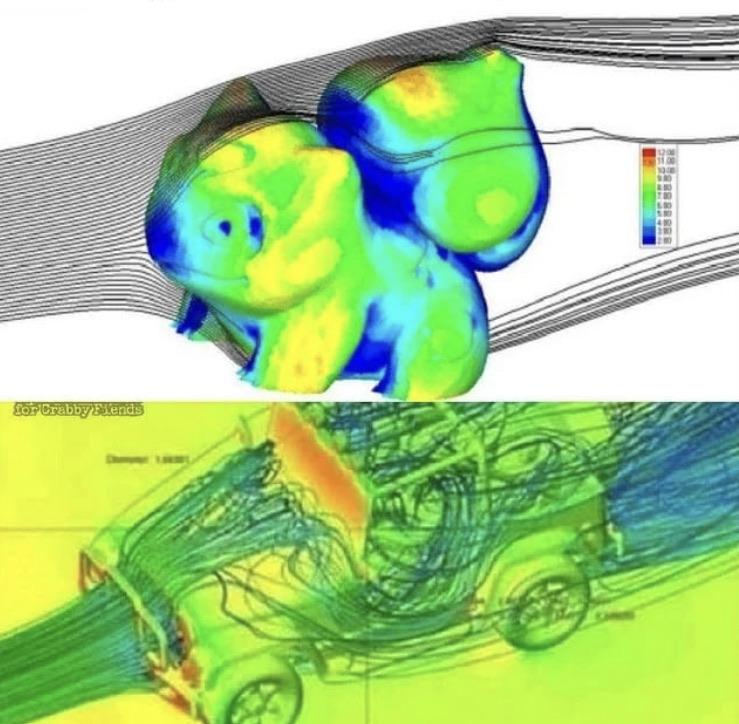
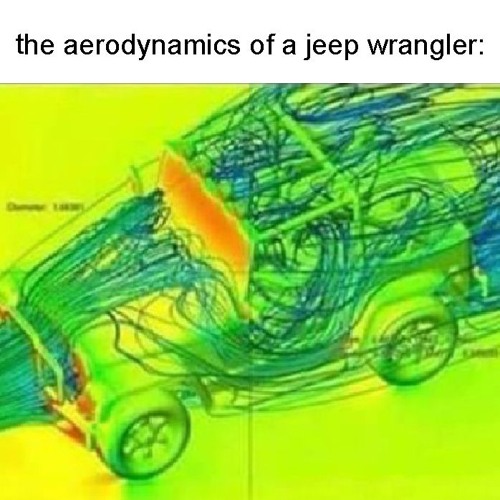
A Jeep, on the other hand, is built for off-road strength, not for slicing through the air. Its boxy shape, flat windshield, and extra accessories (like roof racks or spare tires) all increase drag. This is why you’ll often hear that Jeeps are not very aerodynamic.
The Aerodynamic Numbers: Jeep Vs. Other Vehicles
To measure how aerodynamic a vehicle is, experts use a value called the drag coefficient (Cd). The lower the number, the better the aerodynamics. For example, a modern sedan might have a Cd as low as 0.25. Let’s see how Jeeps compare:
| Vehicle Model | Drag Coefficient (Cd) |
|---|---|
| Jeep Wrangler (JL) | 0.54 |
| Jeep Grand Cherokee | 0.37 |
| Toyota Camry | 0.27 |
| Tesla Model S | 0.24 |
As you can see, the Jeep Wrangler has a much higher drag coefficient than most cars. Even the more streamlined Jeep Grand Cherokee is less aerodynamic than a typical sedan.
Why Are Jeeps Less Aerodynamic?
There are some clear reasons why Jeeps have high drag:
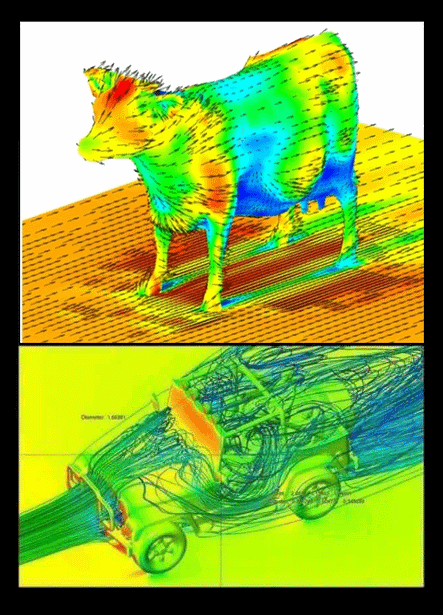
- Boxy Shape: A flat front and upright windshield create a wall of resistance.
- High Ground Clearance: Air moves under the Jeep, making turbulence.
- Open Features: Removable doors, soft tops, and exposed hinges all increase drag.
- Extra Accessories: Roof racks, spare tires, and off-road gear stick out into the airflow.
These features help Jeeps survive tough off-road conditions. But on highways, they make the vehicle less efficient.
How Jeep Aerodynamics Affect Performance
A less aerodynamic Jeep means:
- Lower fuel efficiency. More drag means the engine works harder.
- Lower top speed. High drag limits how fast the Jeep can go.
- More wind noise. Air moving around sharp corners and flat surfaces makes more sound.
- Stability issues. Side winds can push boxy vehicles more easily.
For example, a Jeep Wrangler’s mpg (miles per gallon) is usually 17–25, while a sedan can get 30–40 mpg. The difference comes mostly from aerodynamics.
Comparing Jeep Aerodynamics Across Models
Not all Jeeps are the same. Some are a bit more aerodynamic than others. Here’s how popular models stack up:
| Jeep Model | Body Style | Estimated Cd |
|---|---|---|
| Wrangler | Boxy SUV | 0.54 |
| Grand Cherokee | Sleeker SUV | 0.37 |
| Compass | Compact SUV | 0.35 |
| Renegade | Small Boxy SUV | 0.38 |
If you want a Jeep but care about better aerodynamics, the Compass or Grand Cherokee are better picks than the Wrangler.
Can You Improve A Jeep’s Aerodynamics?
While you can’t turn a Wrangler into a sports car, you can make some small changes:
- Remove roof racks when not in use.
- Use hard tops instead of soft tops for a smoother surface.
- Close windows and doors fully while driving.
- Avoid big, wide tires unless you need them for off-roading.
- Add an air dam or small spoilers to redirect airflow.
These tweaks may improve fuel economy by a few percentage points. But the basic shape of the Jeep limits how aerodynamic it can be.
Non-obvious Insights About Jeep Aerodynamics
Most people focus on the big, boxy look, but here are two things many miss:
- Windshield angle matters a lot. Even a few degrees of slope can change drag. The Wrangler’s upright glass is one reason for its high Cd.
- Tire tread and size add drag. Off-road tires have deep grooves and stick out farther, creating more turbulence than regular car tires.
Paying attention to these details can help if you’re looking to tweak your Jeep for slightly better road performance.
When Aerodynamics Don’t Matter As Much
Jeeps are not built just for highways. Their poor aerodynamics are a trade-off for off-road capability. In mud, sand, or rocks, a boxy body is stronger and gives better visibility. Aerodynamics only really matter at higher speeds, so for trail driving or city trips, the boxy shape is not a big problem.
Should You Worry About Jeep Aerodynamics?
If you plan to use your Jeep mostly on highways or care about fuel costs, aerodynamics is important. You will spend more on gas and may notice more wind noise at speed.
If you want the classic Jeep look and go off-road often, the benefits outweigh the drawbacks.
For most owners, understanding the limitations can help you make smarter choices—like when to remove roof racks or how to pack gear for a road trip.
Frequently Asked Questions
How Does A Jeep’s Aerodynamics Affect Fuel Economy?
A Jeep’s boxy shape increases drag, so the engine needs more energy to push through the air. This means lower miles per gallon compared to more streamlined vehicles.
Can Adding A Roof Rack To My Jeep Make A Big Difference In Drag?
Yes, roof racks and any gear on top create extra resistance. Removing them when not needed can slightly improve aerodynamics and fuel efficiency.
Is The Jeep Wrangler The Least Aerodynamic Jeep?
Among mainstream models, yes. The Wrangler’s upright windshield and boxy shape give it the highest drag coefficient of any current Jeep.
Are There Any Jeeps With Good Aerodynamics?
The Jeep Grand Cherokee and Compass have more rounded shapes and sloped windshields. Their drag coefficients are lower, making them more efficient on highways.
Where Can I Learn More About Vehicle Aerodynamics?
You can read more details about aerodynamics and car design at Wikipedia: Automobile Aerodynamics.
Understanding the aerodynamics of a Jeep helps set realistic expectations. While a Jeep will never glide through the air like a sports car, small choices can still make your driving experience smoother and more efficient.