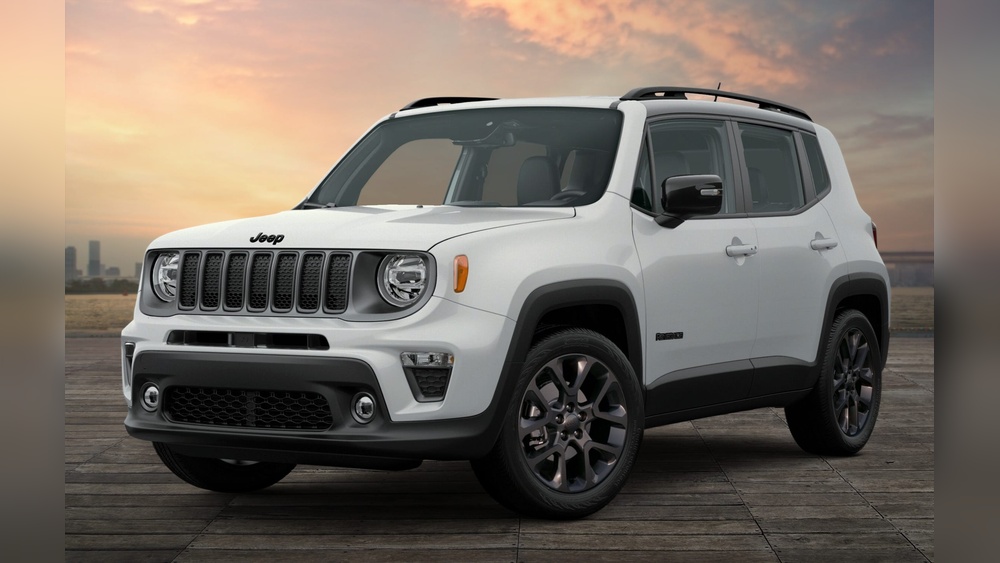
The 2019 Jeep Grand Cherokee is a popular SUV known for its rugged capability and comfortable interior. A crucial part of its functionality and appearance is its headlight system.
Whether you're looking to replace a damaged unit, upgrade for better visibility, or simply want to refresh the look of your Jeep, understanding the options available for your 2019 Grand Cherokee is essential.
This guide will walk you through the different types of headlights, their features, and what to consider when making a purchase.
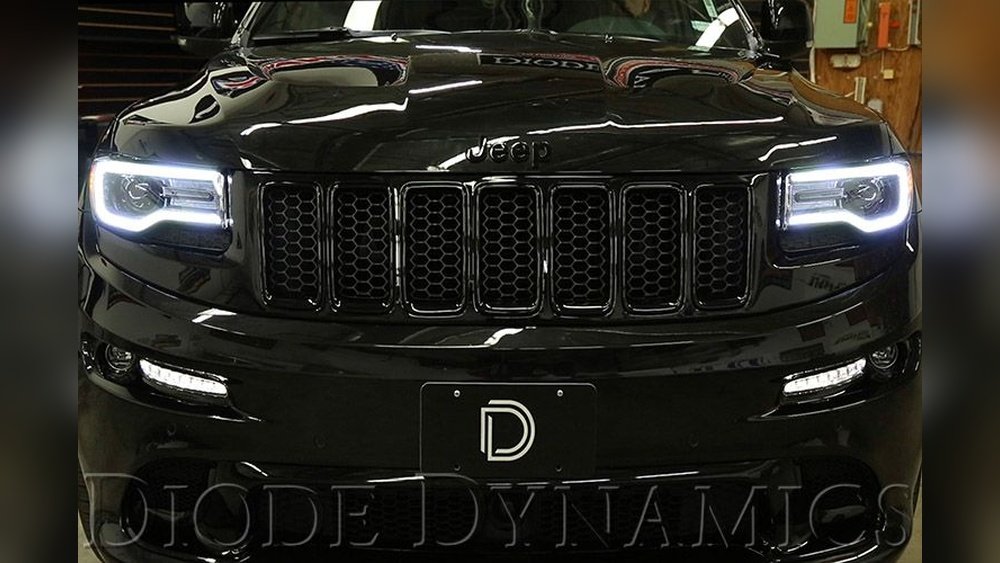
Properly functioning headlights are not just about aesthetics; they are vital for safe driving, especially at night or in poor weather conditions. They illuminate the road ahead, help you see obstacles, and make your vehicle visible to other drivers. For a vehicle like the 2019 Grand Cherokee, which is often used for both daily commutes and adventurous off-roading, having reliable and effective headlights is paramount.
This article will explore the various headlight options, including OEM (Original Equipment Manufacturer) replacements, aftermarket upgrades, and the technologies behind modern headlights like halogen, HID (High-Intensity Discharge), and LED (Light Emitting Diode). We’ll also cover installation considerations and tips for choosing the right headlights for your specific needs and budget.
Understanding Your 2019 Jeep Grand Cherokee Headlight Options
The 2019 Jeep Grand Cherokee came with a few different headlight configurations depending on the trim level. Generally, these are divided into halogen and HID (Xenon) systems. Knowing which type your vehicle currently has will help you when looking for replacements or upgrades.
Halogen Headlights
Halogen headlights are the most common type found in vehicles. They work by passing an electric current through a tungsten filament, which heats up and emits light.
A small amount of halogen gas inside the bulb helps to prolong the filament's life and maintain light output.
Pros of Halogen Headlights:
- Cost-effective: Halogen bulbs are typically the most affordable option for replacement.
- Easy to find: They are widely available from numerous manufacturers.
- Simple to install: Replacing a halogen bulb is usually a straightforward DIY task for most owners.
- Good performance for the price: They offer adequate illumination for everyday driving.
Cons of Halogen Headlights:
- Shorter lifespan: Compared to other technologies, halogen bulbs tend to burn out faster.
- Lower brightness: They produce less light output than HID or LED systems, meaning less visibility on the road.
- Less energy-efficient: They consume more power for the amount of light produced.
- Yellowish light: The light emitted is often perceived as more yellowish, which can be less effective for night vision than the whiter light of other technologies.
For the 2019 Grand Cherokee, halogen headlights were standard on lower trim levels. If your Jeep has halogen bulbs, you can replace them with direct OEM replacements or choose upgraded halogen bulbs that offer slightly more brightness or a whiter light.
However, the fundamental technology remains the same.
Hid (xenon) Headlights
HID headlights, often referred to as Xenon headlights, operate differently from halogens. Instead of a filament, they use an electric arc passing through xenon gas and metal salts to produce light.
This process generates a much brighter and whiter light compared to halogen bulbs.
Pros of HID Headlights:
- Brighter illumination: HID systems produce significantly more light, improving visibility at night and in adverse weather.
- Whiter light: The light color is closer to natural daylight, which many drivers find more comfortable for their eyes and better for distinguishing colors on the road.
- Longer lifespan: HID bulbs generally last longer than halogen bulbs.
- More energy-efficient: They consume less power than equivalent halogen bulbs once they are ignited.
Cons of HID Headlights:
- Higher cost: HID systems are more expensive than halogen bulbs, both for the bulbs themselves and for complete headlight assemblies.
- Complex installation: Installing HID systems, especially if converting from halogen, can be more complex, often requiring ballasts and wiring harnesses.
- Warm-up time: HID bulbs take a few seconds to reach their full brightness after being switched on.
- Potential for glare: If not properly aimed or if using aftermarket kits with incorrect housings, HID lights can produce excessive glare for oncoming drivers.
Higher trim levels of the 2019 Jeep Grand Cherokee, such as the Limited, Overland, and Summit, often came equipped with factory HID headlights. If your Grand Cherokee has HID headlights, you’ll be looking for D3S or similar HID bulbs for replacement, along with ensuring the ballast and igniter components are functioning correctly.
Led (light Emitting Diode) Technology
LED technology has become increasingly popular in automotive lighting due to its efficiency, longevity, and design flexibility. LEDs are semiconductor devices that emit light when an electric current passes through them.
Pros of LED Headlights:
- Exceptional brightness and clarity: LEDs offer a very bright, crisp white light that significantly enhances visibility.
- Energy efficiency: They are the most energy-efficient option, consuming minimal power.
- Longest lifespan: LED bulbs can last for tens of thousands of hours, often outlasting the vehicle itself.
- Instant on: They reach full brightness immediately, without any warm-up time.
- Compact size: LEDs can be made very small, allowing for more intricate headlight designs.
- Durability: They are more resistant to vibration and shock than filament-based bulbs.
Cons of LED Headlights:
- High initial cost: LED headlight assemblies or upgrade kits are typically the most expensive option.
- Heat management: While efficient, LEDs generate heat that needs to be dissipated effectively through heatsinks or fans, adding complexity and potential failure points.
- Compatibility: Aftermarket LED bulbs designed to fit halogen housings can sometimes cause issues with light pattern and glare if not engineered correctly for that specific housing.
- Complexity: Integrated LED units or advanced systems can be complex to repair or replace.
While factory LED headlights were not standard across all 2019 Grand Cherokee trims, they were available on some higher-end models or as part of optional packages. For owners looking to upgrade, aftermarket LED bulbs that fit into existing halogen housings are available, but careful selection is needed to ensure proper beam pattern and avoid blinding other drivers.
Full LED headlight assemblies are also an option for a more integrated and often superior solution.
Replacing 2019 Jeep Grand Cherokee Headlights: Oem Vs. Aftermarket
When it comes to replacing your 2019 Grand Cherokee’s headlights, you have two main paths: OEM and aftermarket. Each has its own advantages and disadvantages.
Oem (original Equipment Manufacturer) Replacements
OEM headlights are parts made by Jeep or its approved suppliers. They are designed to be exact replacements for the original parts installed on your vehicle.
Pros of OEM:
- Guaranteed fitment: They are manufactured to the exact specifications of your 2019 Grand Cherokee, ensuring a perfect fit and proper alignment.
- Original quality and performance: You can expect the same light output, beam pattern, and durability as your original headlights.
- No warranty concerns: Using OEM parts usually won’t void your vehicle’s warranty.
- Reliability: They are built to meet Jeep’s stringent quality standards.
Cons of OEM:
- Higher cost: OEM parts are generally more expensive than aftermarket alternatives.
- Limited options: You are typically limited to the original specifications, with fewer choices for enhanced features or aesthetics.
- Availability: Sometimes, specific OEM parts can be difficult to source, especially for older models or specialized trims.
If your goal is simply to restore your Grand Cherokee’s headlights to their original factory condition, an OEM replacement is the most straightforward choice. You can purchase these through a Jeep dealership or authorized parts suppliers.
Aftermarket Headlights
Aftermarket headlights are produced by companies other than Jeep. They can range from direct replacements that mimic OEM quality to performance-oriented or aesthetically distinct units.
Pros of Aftermarket:
- Wider variety of options: You can find headlights with different technologies (LED, HID), designs (smoked lenses, projector beams), and performance characteristics.
- Potentially lower cost: Many aftermarket options are more affordable than OEM equivalents.
- Performance upgrades: Some aftermarket headlights offer superior brightness, beam patterns, or features like integrated daytime running lights (DRLs).
- Customization: They allow you to change the look of your Jeep’s front end.
Cons of Aftermarket:
- Variable quality: The quality can range from excellent to very poor. It’s crucial to research brands and read reviews.
- Fitment issues: Not all aftermarket parts fit as precisely as OEM, potentially leading to gaps or alignment problems.
- Potential warranty issues: Using certain aftermarket parts might affect your vehicle’s warranty.
- Legality and compliance: Some aftermarket headlights may not meet local regulations for brightness, beam pattern, or color, potentially leading to issues with inspections or law enforcement.
- Complexity of installation: Some aftermarket units, especially full assemblies, might require more complex wiring or modifications.
When choosing aftermarket headlights for your 2019 Grand Cherokee, it’s essential to look for reputable brands known for quality and performance. Pay close attention to product descriptions, customer reviews, and ensure they are specifically designed for your model year and trim.

Key Features To Consider For 2019 Grand Cherokee Headlights
When selecting new headlights, several factors go beyond just the type of bulb technology. These features can significantly impact performance, longevity, and your driving experience.
Projector Vs. Reflector Headlights
The two main types of headlight housings are reflector and projector.
- Reflector Headlights: These use a large, precisely shaped reflective surface (usually chrome-plated) to bounce light from the bulb onto the road. The reflector’s design dictates the beam pattern. Most standard halogen headlights use reflectors.
- Pros: Generally cheaper to manufacture, can be robust.
- Cons: Less efficient light distribution, can produce more glare, and are harder to achieve a sharp cutoff.
- Projector Headlights: These use a lens and a reflector bowl to focus light through a lens. The light passes through a shroud and then the lens, which shapes the beam and creates a sharp cutoff line. This design is more efficient at directing light where it’s needed.
- Pros: More focused beam, sharper cutoff, less glare for oncoming traffic, often more aesthetically pleasing with a modern look.
- Cons: Can be more expensive, the lens can be prone to yellowing or hazing over time if not properly coated.
Many higher trim 2019 Grand Cherokees came with projector headlights, especially for the HID systems, offering better light control. If upgrading, projector-style housings, whether with HID or LED bulbs, are generally preferred for superior performance and reduced glare.
Beam Pattern And Cutoff
The beam pattern is how the light is distributed on the road. A good headlight system illuminates the road ahead, the sides, and the area directly in front of the vehicle without blinding oncoming drivers. The cutoff line is the sharp horizontal boundary between the illuminated area and the darkness above. A clean cutoff is crucial for projector headlights to prevent glare.
- Low Beam: Designed to illuminate the road ahead without dazzling drivers in the opposite direction. It should provide good visibility for distances of about 100-150 feet.
- High Beam: Provides maximum illumination for driving at higher speeds on empty roads. It should extend the illuminated distance significantly further, typically 300-500 feet.
When choosing aftermarket headlights, especially LED bulbs for halogen housings, pay close attention to reviews regarding beam pattern and cutoff. Poorly designed bulbs can scatter light, creating dark spots and excessive glare.
Durability And Materials
Headlight assemblies are exposed to harsh environmental conditions: extreme temperatures, moisture, UV radiation, road salt, and debris. The materials used in their construction are critical for longevity.
- Housing: Typically made of durable plastic (like ABS or polycarbonate) designed to withstand impacts and temperature changes.
- Lens: Usually made of polycarbonate, which is impact-resistant. However, it can scratch and yellow over time from UV exposure. Look for headlights with a UV-resistant coating on the lens for better long-term clarity.
- Sealing: Proper sealing is essential to prevent moisture and dust from entering the housing, which can lead to fogging, corrosion, and premature failure of bulbs and internal electronics.
Compliance With Regulations
In many regions, headlights must meet specific standards for brightness, color, and beam pattern to be road-legal. This is particularly important for aftermarket upgrades. Always check if the headlights you are considering comply with DOT (Department of Transportation) or SAE (Society of Automotive Engineers) standards if you are in the US, or equivalent regulations in your country. Non-compliant headlights can lead to fines or failed vehicle inspections.
Popular Aftermarket Headlight Brands For The 2019 Jeep Grand Cherokee
Several reputable aftermarket companies offer headlight solutions for the 2019 Jeep Grand Cherokee. These brands are known for their quality, performance, and customer support.
- Spyder Auto: Often offers stylish projector headlights with integrated LED DRLs, smoked lenses, and other custom features. They focus on both aesthetics and improved lighting performance.
- AnzoUSA: Known for high-quality lighting solutions, AnzoUSA provides projector headlights, often with advanced LED or HID options, designed for specific vehicle models.
- Depo Auto Parts: A major manufacturer of aftermarket lighting, Depo offers direct-fit replacement headlights that are often more affordable than OEM but meet strict quality standards. They provide both halogen and HID compatible housings.
- Morimoto: While often associated with high-end retrofit HID and LED components, Morimoto also offers complete headlight assemblies for some vehicles. They are known for premium performance and quality, though at a higher price point.
- OSRAM/Sylvania: While primarily known for bulbs, these companies also produce complete headlight assemblies and high-performance replacement bulbs that can significantly upgrade your lighting.
When researching these brands, look for products specifically listed for the 2019 Jeep Grand Cherokee WK2 (the chassis code for this generation).

Upgrading To Led Bulbs: A Practical Guide
For many 2019 Grand Cherokee owners, the most accessible and cost-effective upgrade is replacing their existing halogen bulbs with LED replacement bulbs. While not as comprehensive as a full headlight assembly replacement, it can offer a noticeable improvement in brightness and light color.
Choosing The Right Led Bulb Size
First, identify the correct bulb size for your 2019 Grand Cherokee’s low and high beams. This information can usually be found