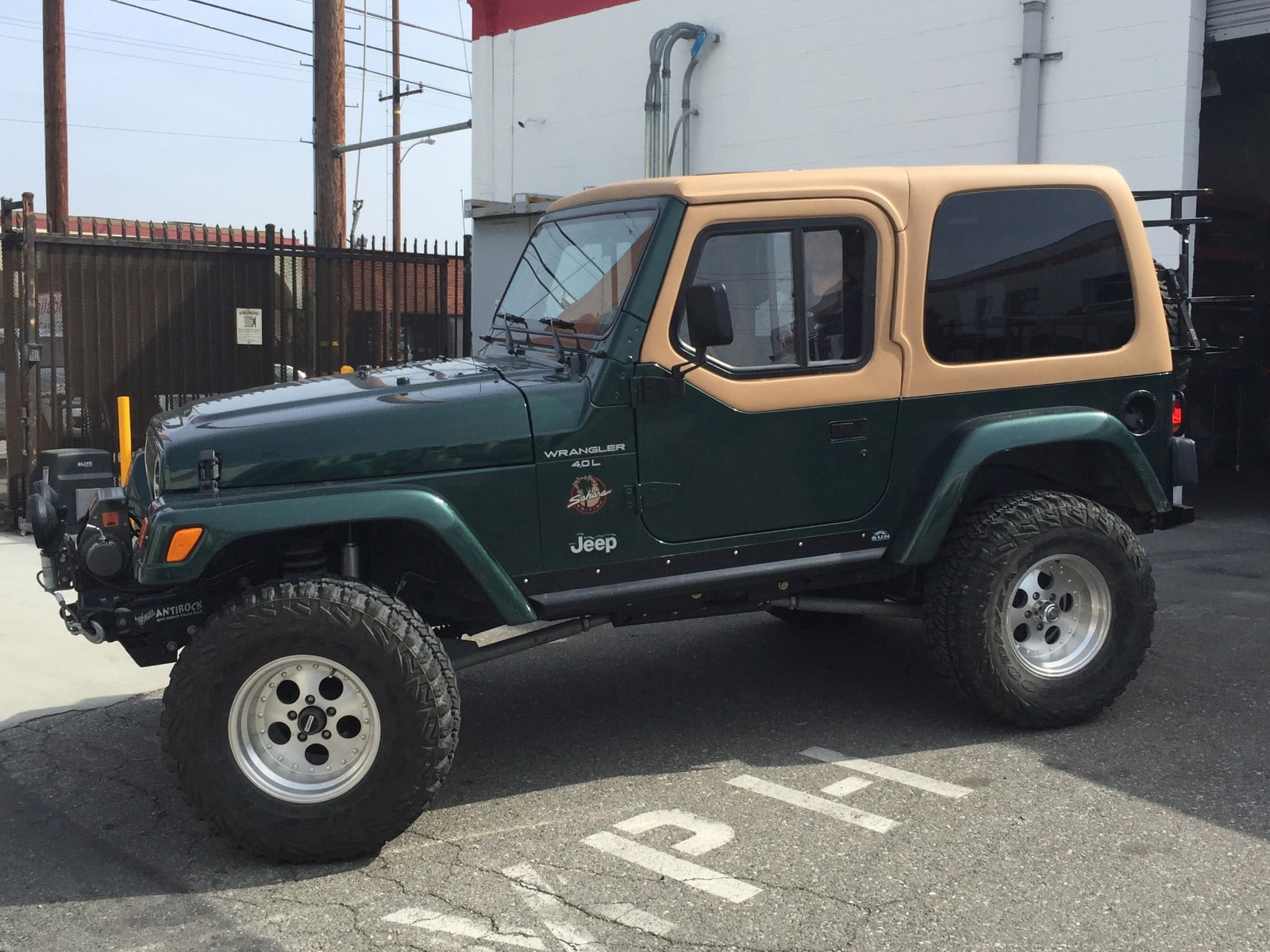
The 1997 Jeep Wrangler TJ marked a significant evolution for the iconic off-roader, moving away from the CJ’s leaf springs to a more refined coil spring suspension. This shift brought improved on-road comfort without sacrificing its legendary trail prowess.
One of the most significant upgrades any TJ owner can make, whether for daily driving, weekend adventures, or serious off-roading, is the addition of a hardtop.
A hardtop offers a host of benefits over the factory soft top, from enhanced security and weather protection to a quieter, more insulated cabin.
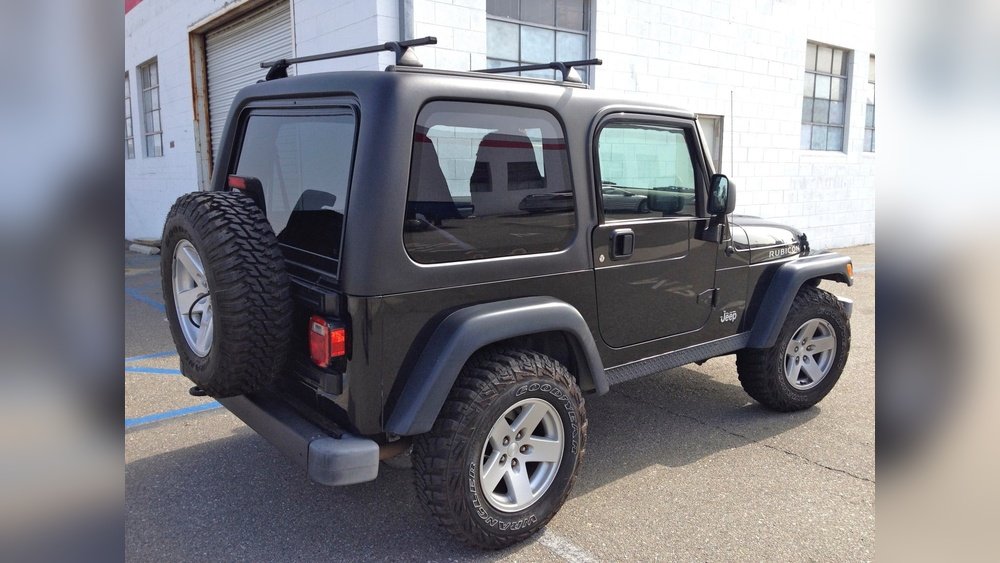
Choosing the right hardtop for your ’97 Jeep Wrangler involves understanding the various options available, their materials, features, and how they align with your specific needs and budget. This guide will explore the diverse world of aftermarket hardtops, providing insights into popular brands, installation considerations, and the advantages they bring to your TJ ownership experience.
Whether you’re looking to preserve your interior from the elements, reduce road noise, or simply upgrade the aesthetics of your Wrangler, a hardtop is a worthwhile investment.
Key Takeaways
- Enhanced Security: Hardtops offer superior protection against theft and vandalism compared to soft tops.
- All-Weather Protection: They provide better insulation against heat, cold, and noise, making the cabin more comfortable year-round.
- Durability and Longevity: Hardtops are generally more durable and have a longer lifespan than soft tops, especially in harsh weather conditions.
- Variety of Materials and Features: Options range from fiberglass and ABS plastic to those with integrated features like sound deadening, tinted windows, and rear defrosters.
- Installation Complexity: While many are designed for DIY installation, some may require professional help, particularly for wiring accessories.
- Resale Value: A well-maintained hardtop can potentially increase the resale value of your Jeep Wrangler.
Understanding The Tj Hardtop Landscape
The aftermarket for Jeep Wrangler hardtops is robust, offering a wide array of choices for the 1997 model year. These tops are designed to fit the specific dimensions and mounting points of the TJ chassis, ensuring a secure and weather-tight seal.
The primary materials used are fiberglass and ABS plastic, each with its own set of pros and cons. Understanding these differences is crucial for making an informed decision that balances cost, durability, weight, and aesthetics.
Fiberglass Hardtops
Fiberglass hardtops are perhaps the most common and traditional option. They are typically constructed from multiple layers of fiberglass matting and resin, molded into shape.
- Pros:
- Durability: Fiberglass is robust and resistant to impacts, making it suitable for off-road use.
- Customization: It’s relatively easy to paint and customize fiberglass to match your Jeep’s color scheme or add custom graphics.
- Repairability: Minor damage, such as scratches or small cracks, can often be repaired by DIY methods or professional body shops.
- Sound Insulation: Generally offers good sound deadening properties.
- Cons:
- Weight: Can be heavier than ABS plastic options, potentially impacting fuel economy slightly.
- Brittleness: While durable, extreme impacts in very cold temperatures can sometimes lead to cracking.
- Cost: Often falls in the mid to higher price range, depending on brand and features.
Abs Plastic Hardtops
Acrylonitrile Butadiene Styrene (ABS) plastic is a thermoplastic polymer known for its strength, rigidity, and impact resistance. ABS hardtops are often manufactured using a vacuum-forming process, resulting in a lightweight yet strong shell.
- Pros:
- Lightweight: Significantly lighter than fiberglass, which can be beneficial for performance, fuel economy, and ease of removal/installation.
- Impact Resistance: Excellent resistance to cracking and shattering, even in cold weather.
- Cost-Effective: Often more affordable than comparable fiberglass models.
- UV Resistance: Many ABS tops are treated for UV resistance, preventing degradation from sun exposure.
- Cons:
- Paintability: While paintable, achieving a factory-perfect finish can sometimes be more challenging than with fiberglass.
- Scratching: Surface scratches can be more apparent and sometimes harder to buff out than on painted fiberglass.
- Aesthetics: Some users prefer the slightly more “custom” look of painted fiberglass over the often-textured finish of ABS plastic.
Key Features To Consider
Beyond material, several features can significantly enhance the functionality and comfort of a hardtop:
- Tinted Windows: Most hardtops come with tinted side and rear windows, offering privacy and reducing solar heat gain. The level of tint can vary.
- Removable Panels (Third Tops): Some aftermarket hardtops offer removable front panels, similar to a T-top, allowing for an open-air experience while retaining the security and insulation of the rear section.
- Headliner/Sound Deadening: An integrated headliner or sound-deadening material can dramatically reduce road noise and improve cabin insulation, making for a much more comfortable driving experience. This is a feature often found in premium options.
- Rear Wiper and Washer: For the rear window, a wiper and washer system can be a valuable addition for maintaining visibility in inclement weather. This requires wiring.
- Rear Defroster: Similar to the wiper, a rear defroster is crucial for clearing condensation or frost from the rear window in cold climates. This also requires electrical hookup.
- Interior Lighting: Some hardtops include integrated dome lights, providing better illumination inside the cabin than the factory soft top might offer.
- Cargo Tie-Downs: Certain designs incorporate interior tie-down points for securing gear.
Popular Aftermarket Hardtop Brands For The ’97 Jeep Wrangler Tj
The ’97 Jeep Wrangler TJ has a mature aftermarket, meaning there are several established brands that offer quality hardtop solutions. While availability can fluctuate, these manufacturers consistently produce reliable and popular options.
Bestop Hardtops
Bestop is a well-known name in the Jeep accessory market, and their hardtops are highly regarded for their quality and fitment. They often offer models that are direct replacements for the factory hardtop or innovative designs that enhance the Wrangler experience.
- ’97 TJ Specific Models: Bestop typically offers models designed specifically for the TJ generation. These often feature multi-piece construction for easier handling and installation.
- Materials: Commonly use high-quality ABS plastic or composite materials.
- Features: Look for options with integrated headliners, tinted windows, and sometimes even options for rear defrosters. Their focus is often on a balance of durability, comfort, and ease of use.
- Installation: Generally designed for straightforward bolt-on installation, though electrical connections for defrosters or wipers will require basic automotive wiring knowledge.
- Example: The Bestop NX is a popular choice, known for its durable construction and good seal.
Rugged Ridge Hardtops
Rugged Ridge is another prominent player, offering a range of accessories for Jeeps, including hardtops that aim to provide a blend of ruggedness and practicality.
- Design Philosophy: Rugged Ridge often emphasizes a factory-like fit and finish, providing a seamless look for the TJ.
- Materials: Frequently utilizes durable ABS plastic or fiberglass composites.
- Features: Common features include tinted windows for privacy and UV protection, and often options for integrated sound-deadening liners. Some models might offer quick-release latches for easier removal.
- Installation: Designed for ease of installation, often using existing mounting points on the TJ body.
- Example: Their full hardtops are designed to provide a robust, weather-sealed environment for the TJ.
Mopar (factory Option)
While technically an OEM part, Mopar hardtops for the TJ are highly sought after in the aftermarket. If you can find a used Mopar hardtop in good condition, it’s often considered the benchmark for fit and finish.
- OEM Fitment: Designed and manufactured by Chrysler/Jeep, ensuring perfect fitment and integration with the vehicle’s body and seals.
- Materials: Typically constructed from durable fiberglass.
- Features: Often came with tinted windows, an interior headliner for sound dampening and insulation, and provisions for rear wipers and defrosters (though these accessories might need to be purchased separately).
- Installation: Relatively straightforward, as it uses factory mounting points. However, ensuring all seals are properly seated is critical for a water-tight fit.
- Consideration: Finding a used Mopar hardtop for a ’97 TJ can be challenging, and prices can be high due to demand.
Other Notable Brands And Considerations
Beyond these major players, other manufacturers may offer TJ hardtops. When evaluating any brand, consider:
- Customer Reviews: Look for feedback on fitment, durability, sealing capabilities, and customer service.
- Warranty: A good warranty indicates the manufacturer’s confidence in their product.
- Availability of Parts: Ensure replacement seals or hardware are readily available should you need them.
- Local Installers: If you’re not comfortable with DIY installation, check if local 4×4 shops commonly work with the brand you’re considering.
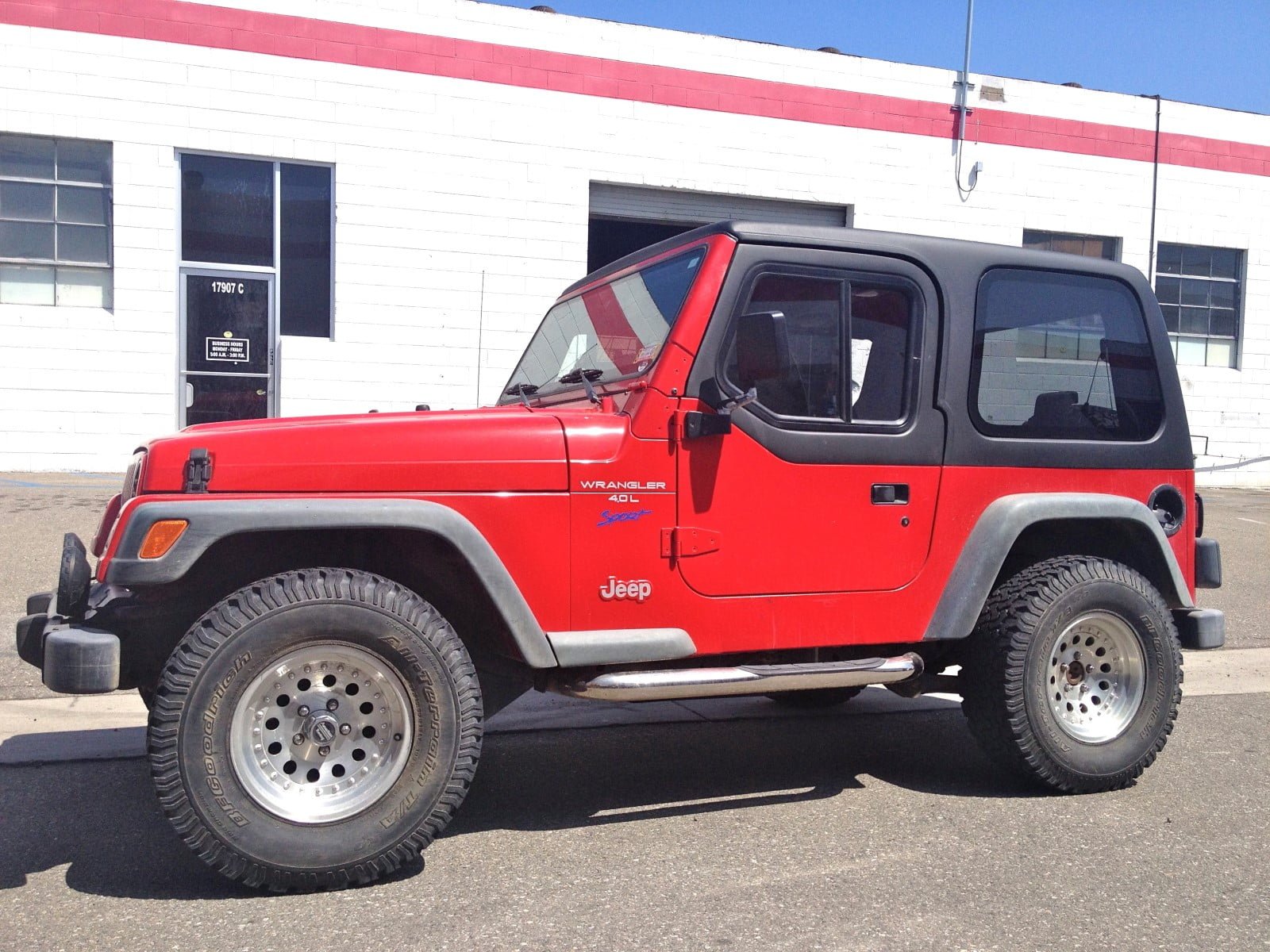
Installation And Fitment: Getting Your Hardtop On
Installing a hardtop on your ’97 Jeep Wrangler TJ is a significant undertaking, but often achievable for the home mechanic. The process involves careful alignment, securing mounting points, and ensuring a proper seal against the elements.
Pre-installation Checklist
Before you even unbox your new hardtop, ensure you have everything you need and that your Jeep is ready:
- Clean Mounting Surfaces: Thoroughly clean the body tub where the hardtop will meet it. Remove any old sealant, dirt, or debris. This is critical for a good seal.
- Inspect Existing Hardware: If you’re replacing a soft top, ensure all factory mounting points for a hardtop are present and in good condition. This includes the windshield frame, B-pillar mounts, and rear tub mounts.
- Tools: Gather necessary tools: socket set, wrenches, screwdrivers, silicone sealant (automotive grade), trim removal tools, and potentially a drill if any modifications are needed (though most aftermarket tops bolt up).
- Assistance: Hardtops are heavy and awkward. You will absolutely need at least one, preferably two, strong helpers for lifting and positioning.
- Wiring (If Applicable): If your hardtop includes a rear defroster or wiper, ensure you have the necessary wiring, relays, and switches. Familiarize yourself with your TJ’s electrical system or plan to have a professional do this part.
The Installation Process
While specific steps vary by brand, the general installation process is as follows:
- Prepare the Jeep: Remove any side windows or components of the soft top that might interfere. Ensure the roll bar padding is intact.
- Position the Hardtop: With helpers, carefully lift the hardtop and position it onto the Jeep. Start by aligning the front edge with the windshield header.
- Secure the Front: Loosely install the bolts that secure the front of the hardtop to the windshield frame.
- Align the Sides and Rear: Gently work the hardtop into position, aligning the side mounts (often near the B-pillar or rear of the doors) and the rear mounting points on the tub.
- Install Mounting Hardware: Loosely install all bolts and screws at the side and rear mounting points. Do not tighten anything fully yet.
- Check Alignment and Gaps: Once all hardware is in place, step back and visually inspect the gaps between the hardtop and the body. Ensure it sits evenly and there are no major misalignments. Adjust as needed.
- Tighten Hardware Systematically: Begin tightening the bolts in a specific sequence, typically starting from the front and working your way back, or following the manufacturer’s instructions. Tighten bolts incrementally in a crisscross pattern to ensure even pressure. Over-tightening can crack fiberglass or strip threads.
- Install Seals: Ensure all weather seals are properly seated. Apply a bead of automotive-grade silicone sealant along critical seams if recommended by the manufacturer or if you notice any potential leak points.
- Install Side and Rear Windows: If your hardtop came with separate side and rear windows, install them according to the manufacturer’s instructions, ensuring seals are properly seated.
- Connect Electrical Components (If Applicable): Wire the rear defroster, wiper, or interior lights according to the instructions. This may involve running wires through grommets and connecting to the Jeep’s fuse box or accessory circuits.
- Final Inspection: Once everything is tightened and connected, perform a thorough inspection. Check for any gaps, loose fittings, or wiring issues.
Achieving A Watertight Seal
A common concern with aftermarket hardtops is achieving a perfect, leak-free seal.
- Quality Seals: Use high-quality rubber seals designed for automotive use. Many hardtops come with pre-installed seals, but replacements might be necessary over time.
- Silicone Sealant: Use a flexible, automotive-grade silicone sealant judiciously in areas prone to leaks, such as around window frames or mounting points. Avoid excessive amounts that can look messy.
- Proper Tightening: Even pressure from correctly tightened bolts is crucial. Follow the manufacturer’s torque specifications if provided.
- Regular Maintenance: Periodically check and clean seals. Apply a rubber protectant to keep them supple and prevent cracking.
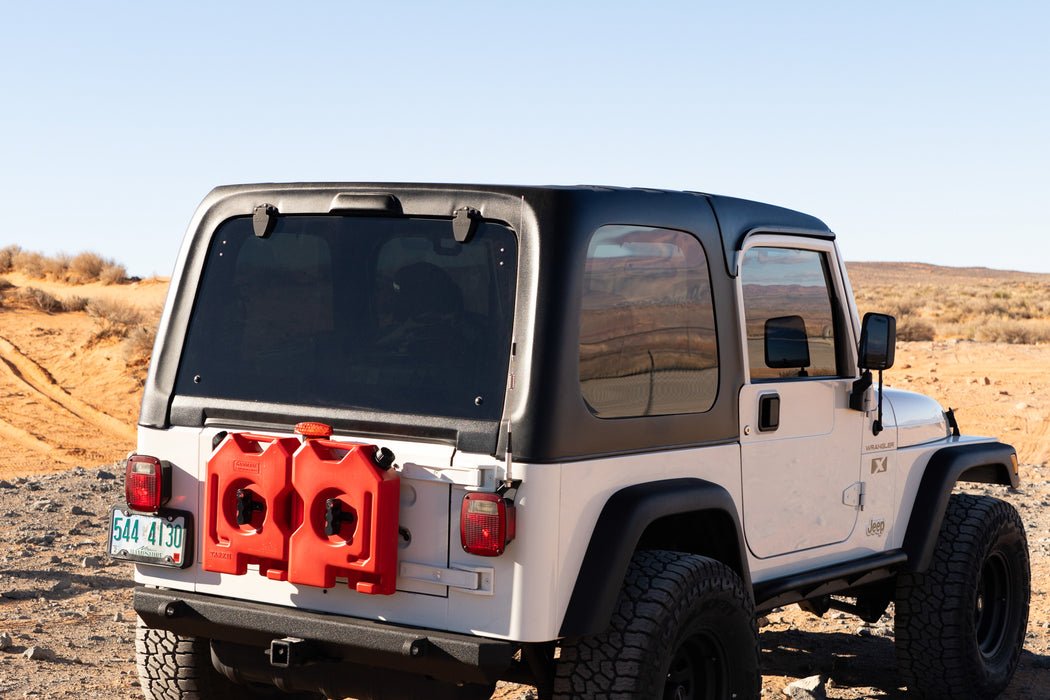
Enhancing Your Hardtop Experience: Features And Upgrades
Once your hardtop is installed, you can further enhance its functionality and your overall ownership experience with various upgrades and accessories. These additions can improve comfort, utility, and aesthetics.
Sound Deadening And Insulation
One of the most significant benefits of a hardtop is the potential for a quieter cabin. If your hardtop didn’t come with a pre-installed headliner, adding one can make a world of difference.
- Aftermarket Headliners: Kits are available that adhere to the inside of the hardtop, providing both sound dampening and thermal insulation. Materials like mass-loaded vinyl (MLV) combined with closed-cell foam are effective.
- DIY Solutions: You can also create your own soundproofing using products like Dynamat or similar sound-deadening mats applied directly to the hardtop’s interior shell, followed by a fabric or carpet covering.
- Benefits: Reduced road noise, improved audio system performance, and better temperature regulation (keeping heat out in summer and in during winter).
Interior Lighting Upgrades
While many hardtops include a basic dome light, you can upgrade this for better visibility.
- LED Conversion: Replacing the stock incandescent bulb with an LED unit provides brighter light and consumes less power.
- Additional Lighting: Consider adding small LED strip lights or puck lights in strategic locations for more focused illumination, perhaps above the cargo area or near the rear seats. Ensure any additions are wired correctly to avoid draining the battery. This is similar to how one might enhance lighting in other Jeep models, as seen in guides for dome light control.
Rear Wiper And Defroster Systems
If your hardtop didn’t come with these features, retrofitting them can significantly improve usability, especially in colder or wetter climates.
- Availability: Kits are sometimes available for specific hardtop models, or you might need to source parts individually (e.g., from a junkyard Mopar hardtop).
- Wiring Complexity: This is the most challenging aspect. It requires running wires from the rear window to the Jeep’s fuse box and dashboard controls. A wiring diagram for your TJ and the specific components is essential. If you’re not experienced with automotive electrical systems, it’s highly recommended to have a professional installer handle this.
Cargo Management Solutions
The enclosed space of a hardtop opens up possibilities for cargo management.
- Cargo Nets and Organizers: Simple nets can be attached to existing points or installed using brackets to keep smaller items from rolling around.
- Rack Systems: Interior roof racks or specialized cargo systems can be installed to maximize vertical space, allowing you to store gear above passengers or cargo. Ensure these are rated for the weight you intend to carry.
Security Enhancements
While a hardtop is inherently more secure than a soft top, you can add further layers of security.
- Window Security Film: Applying security film to the windows can make them more resistant to shattering, deterring smash-and-grab attempts.
- Alarm System Integration: If your TJ has an aftermarket alarm, ensure it’s compatible with the hardtop sensors (if any) or consider adding sensors to the hardtop itself.
Maintenance And Care For Your Tj Hardtop
Proper maintenance will ensure your hardtop remains functional, looks good, and provides reliable protection for years to come.
Cleaning
- Exterior: Wash the exterior regularly with car wash soap and water. Use a soft cloth or sponge to avoid scratching the paint or finish. For stubborn dirt or tar, use a dedicated automotive bug and tar remover.
- Interior: The interior headliner can usually be cleaned with a damp cloth and mild upholstery cleaner. Test any cleaner in an inconspicuous area first. Avoid harsh chemicals that could damage the material.
- Windows: Use a quality glass cleaner and a microfiber cloth for streak-free results. Avoid abrasive cleaners or pads that can scratch tinted windows.
Protecting The Finish
- Waxing (Fiberglass): If your hardtop is painted fiberglass, apply a good quality automotive wax periodically (every few months, depending on climate and exposure) to protect the paint and maintain its shine.
- UV Protectant (ABS Plastic): For ABS plastic tops, regular application of a UV protectant spray (like those used for dashboards) can help prevent fading and degradation from sun exposure.
- Sealant Care: Periodically inspect all weather seals around the windows and body mounts. Clean them with a damp cloth and apply a rubber protectant (e.g., 303 Aerospace Protectant) to keep them supple and prevent cracking or drying out. This is crucial for preventing leaks.
Addressing Minor Damage
- Scratches: Light scratches on painted fiberglass can often be buffed out using polishing compounds. Deeper scratches may require touch-up paint. For ABS plastic, minor scratches might be less noticeable depending on the finish, or they may require specialized plastic repair kits.
- Cracks: Small cracks in fiberglass can be repaired using fiberglass repair kits. This is a common DIY task, but professional repair may be needed for larger or structural cracks. ABS plastic cracks are more difficult to repair effectively and permanently.
Winter Care
- Ice Removal: Never try to pry ice off the windows or seals forcefully, as this can cause damage. Use de-icing fluid or allow the vehicle’s interior to warm up gradually.
- Snow Removal: Brush snow off gently. Avoid using stiff brushes that could scratch the paint or finish.
Frequently Asked Questions
What Is The Main Advantage Of A Hardtop Over A Soft Top For A ’97 Jeep Wrangler?
The primary advantages are enhanced security against theft and vandalism, significantly improved insulation against noise and weather (making it quieter and more comfortable year-round), and greater durability. A hardtop provides a more permanent, secure enclosure for your vehicle.
Are Hardtops Difficult To Install On A 1997 Jeep Wrangler Tj?
Installation difficulty varies by brand and your mechanical experience. Most aftermarket hardtops are designed for bolt-on installation using existing factory mounting points.
However, they are heavy and awkward, requiring at least two people for safe handling. If your hardtop includes electrical components like a rear defroster or wiper, the wiring aspect can add complexity, and professional installation may be advisable for those less comfortable with automotive electrical systems.
Can I Still Remove The Hardtop Myself?
Yes, most hardtops are designed to be removable, although it's a more involved process than removing a soft top. It typically requires two or more people and the use of tools to unbolt it from the Jeep's body.
It's not something most people do frequently, often being installed for the colder months and removed for summer.
How Does A Hardtop Affect The Off-road Capability Of My ’97 Tj?
A hardtop generally does not negatively impact off-road capability. In fact, it can offer better protection for the occupants from the elements during long off-road excursions.
Some heavier fiberglass tops might slightly affect the center of gravity, but this is usually negligible for most users.
The added security also means you can leave gear inside the Jeep more confidently when parked at trailheads.
What Should I Do If My Hardtop Leaks?
First, identify the source of the leak. Check the seals around the windows, doors, and where the hardtop meets the Jeep's body.
Ensure all mounting bolts are snug (but not over-tightened). Clean the seals and the mounting surfaces thoroughly.
Applying a bead of automotive-grade silicone sealant around suspect areas can often resolve minor leaks.
If the leak persists, inspect the seals for damage or consider replacing them.
Investing in a hardtop for your 1997 Jeep Wrangler TJ is a decision that pays dividends in comfort, security, and overall usability. Whether you opt for the rugged durability of fiberglass or the lightweight resilience of ABS plastic, the benefits of a permanent, weather-tight enclosure are undeniable.
By carefully considering the features, installation process, and ongoing maintenance, you can ensure your TJ remains a capable and comfortable companion on all your adventures, from daily commutes to challenging off-road trails.