The 2014 Jeep Grand Cherokee is known for its power, comfort, and advanced features. But even the most reliable vehicles depend on small, hidden parts like the fuse box to keep everything running smoothly.
If you’ve ever had a window stop working or your headlights suddenly go out, you know how important fuses are. Understanding your fuse box can save you money, frustration, and time at the mechanic.
What Is The Fuse Box In A 2014 Jeep Grand Cherokee?
The fuse box is a central hub that protects your vehicle’s electrical circuits. When a circuit draws too much power, the fuse “blows” to stop further damage. Think of fuses as safety guards—without them, a small problem could lead to expensive repairs.
The 2014 Jeep Grand Cherokee actually has two fuse boxes:
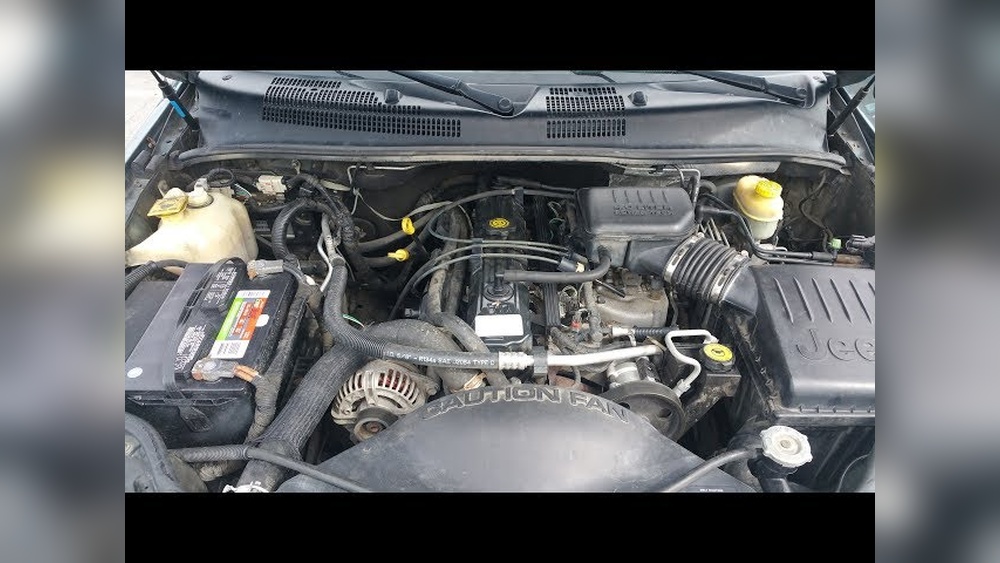
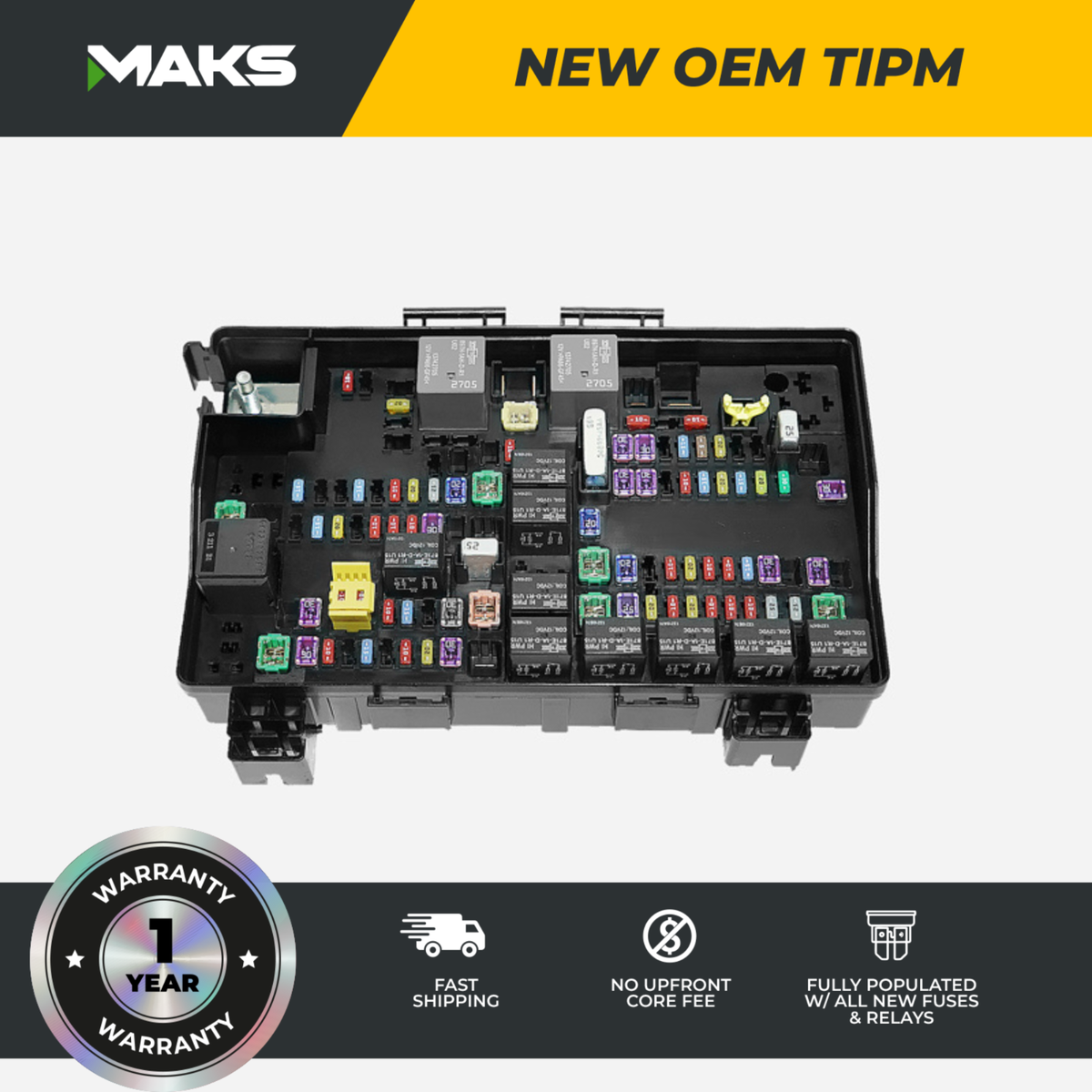
- The Totally Integrated Power Module (TIPM) under the hood, which handles most major systems.
- A smaller interior fuse panel on the passenger side, protecting some cabin electronics.
Each box contains different fuses and relays, each serving a specific function.
Locating The Fuse Boxes
Finding your fuse boxes is simple if you know where to look. The main TIPM is in the engine compartment near the battery.
It’s a black rectangular box with a snap-on lid.
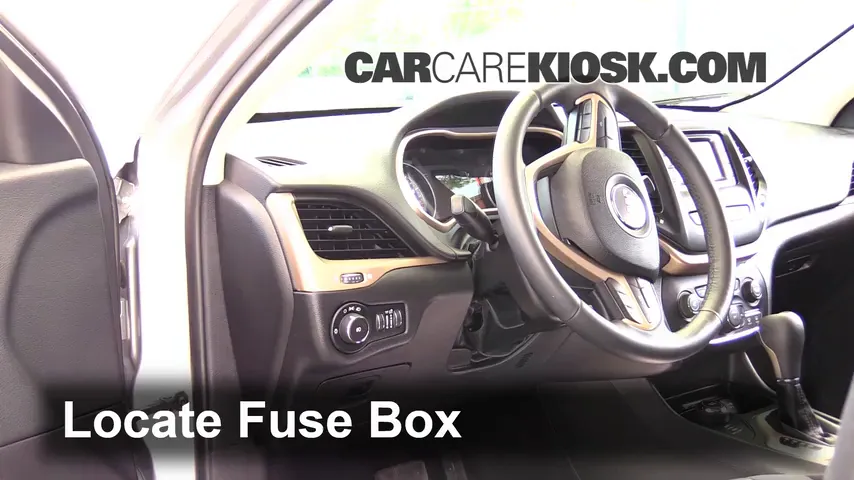
The interior fuse box is behind a small panel on the passenger side of the dashboard. Open the passenger door and look for a removable cover near the glove box.
Key Functions Protected By Fuses
Fuses in the 2014 Grand Cherokee protect nearly every electrical feature, including:
- Headlights and taillights
- Power windows and locks
- Radio and infotainment system
- Air conditioning
- ABS and traction control
- Windshield wipers
- Heated seats
- Trailer lights
If any of these stop working, checking the fuse is often the first step.
Common Fuse Problems And What Causes Them
Fuses can blow for many reasons, such as:
- Short circuits from damaged wiring
- Overloaded accessories like faulty chargers
- Old age or corrosion in the fuse box
A blown fuse does not always mean a serious problem. Sometimes it’s a one-time event, but repeated blown fuses signal a deeper issue.
How To Check And Replace A Fuse
Replacing a fuse is an easy DIY job. Here’s how:
- Turn off the vehicle and remove the key.
- Open the fuse box lid. There’s a diagram inside showing each fuse’s location.
- Find the correct fuse for the non-working item.
- Pull out the fuse using the plastic puller in the lid.
- Check the metal strip inside. If it’s broken, the fuse is blown.
- Replace with a new fuse of the same amperage.
Never use a higher-amp fuse, as it can damage your vehicle.
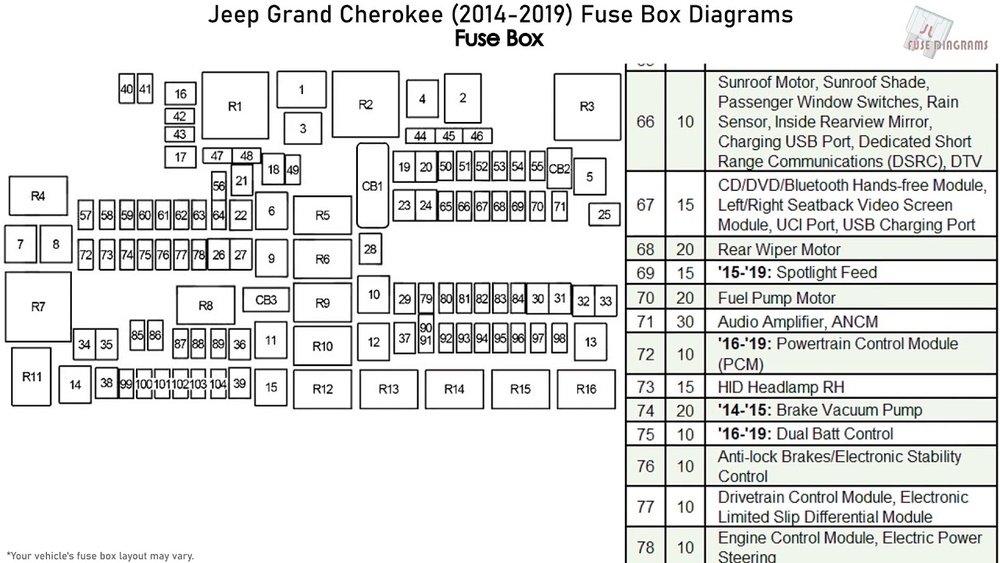
2014 Jeep Grand Cherokee Fuse Box Diagram
Inside each fuse box, you’ll find a diagram showing what each fuse controls. This makes it easier to locate the right fuse.
Here’s a simplified example of the under-hood TIPM fuse assignments:
| Fuse Number | Amperage | System Protected |
|---|---|---|
| F05 | 30A | Power Windows |
| F20 | 15A | Radio |
| F30 | 10A | Headlights |
| F43 | 20A | Heated Seats |
| F50 | 25A | ABS Pump |
Always check your owner’s manual for the full, accurate map.
Fuse Types And Ratings
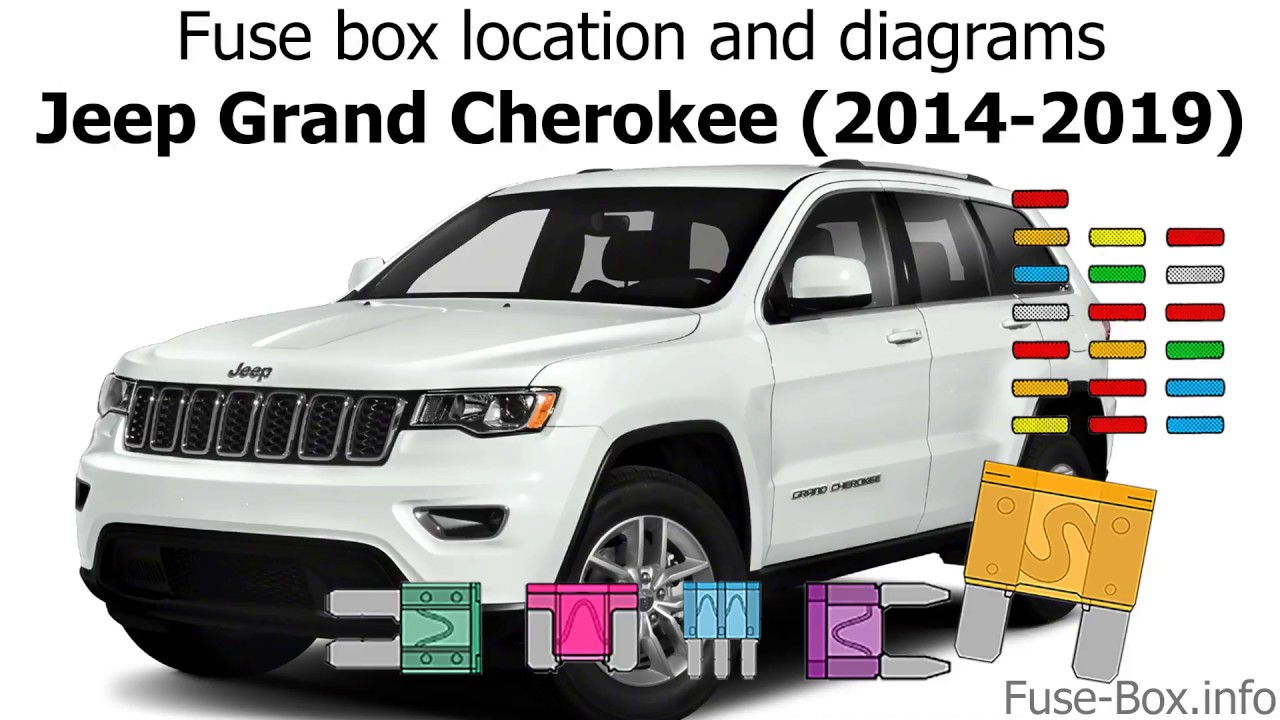
The Grand Cherokee uses mostly blade-type fuses. These are color-coded and labeled with their amperage.
Common fuse ratings include:
- 10A (red)
- 15A (blue)
- 20A (yellow)
- 25A (clear)
- 30A (green)
Using the correct rating is critical for safety.
Relays In The Fuse Box
Besides fuses, the TIPM includes several relays. These are small switches that control high-current devices like the starter or fuel pump.
If a major system stops working (but the fuse is fine), a bad relay could be to blame. Relays are also marked in the fuse box diagram.
Practical Tips For Fuse Box Maintenance
- Keep spare fuses in your glove box for emergencies.
- Clean the fuse box if you see dirt or corrosion.
- Check wiring if fuses blow repeatedly.
- Label covers for quick reference.
Many owners forget that water leaks or battery corrosion can cause fuse problems. Regular checks help prevent surprise failures.
Comparison: Tipm Vs. Interior Fuse Box
Here’s how the two fuse boxes differ in the 2014 Grand Cherokee:
| Feature | TIPM (Under Hood) | Interior Fuse Panel |
|---|---|---|
| Main Purpose | Major electrical systems | Cabin electronics |
| Size | Larger | Smaller |
| Accessibility | Engine bay | Passenger compartment |
| Contains Relays | Yes | No |
When To See A Mechanic
If you replace a fuse and it blows again soon, or if you notice burning smells, leave the repair to a professional. Electrical problems can be tricky and dangerous.
Real-world Example
A common problem in the 2014 Grand Cherokee is the sunroof or power liftgate stopping unexpectedly. Often, the cause is a blown fuse or a sticky relay in the TIPM. Checking these first can save a trip to the shop.
Additional Resources
For detailed fuse maps and troubleshooting, you can find the full owner’s manual on the official Jeep website.
Frequently Asked Questions
Where Is The Main Fuse Box In The 2014 Jeep Grand Cherokee?
The main fuse box (TIPM) is in the engine compartment, near the battery on the driver’s side.
What Does Tipm Mean?
TIPM stands for Totally Integrated Power Module. It’s the main electrical center for most vehicle systems.
How Do I Know If A Fuse Is Blown?
Remove the fuse and check the metal strip inside. If it’s broken, the fuse is blown and needs replacing.
Can I Use A Higher-amp Fuse If I Don’t Have The Right One?
Never use a higher-amp fuse. This can cause wiring damage or even a fire.
Why Do My Fuses Keep Blowing?
Frequent blown fuses often mean a short circuit or faulty wiring. Have a professional check your vehicle if this happens.
The fuse box in your 2014 Jeep Grand Cherokee is simple but essential. With a little knowledge and regular checks, you can keep your vehicle’s electronics working well and avoid many common problems.