The story of the Ford Jeep and Willys Jeep is tightly woven into World War II history. Both vehicles helped the Allied forces move quickly over rough terrain, carry supplies, and save lives.
Yet, for many, the differences between these two legendary jeeps remain unclear. If you’re interested in military vehicles, classic cars, or just love stories of innovation, understanding the Ford Jeep vs Willys Jeep comparison will open a window into a fascinating chapter of automotive history.
Why The Jeep Was Needed
When World War II started, the US Army needed a fast, tough, and reliable vehicle. It had to handle mud, sand, snow, and rocky paths. The army sent out requests to car makers for a new “light reconnaissance vehicle.” Out of this challenge, the Willys MB and the Ford GPW were born. Both became known simply as the “jeep,” but their origins and features have key differences.
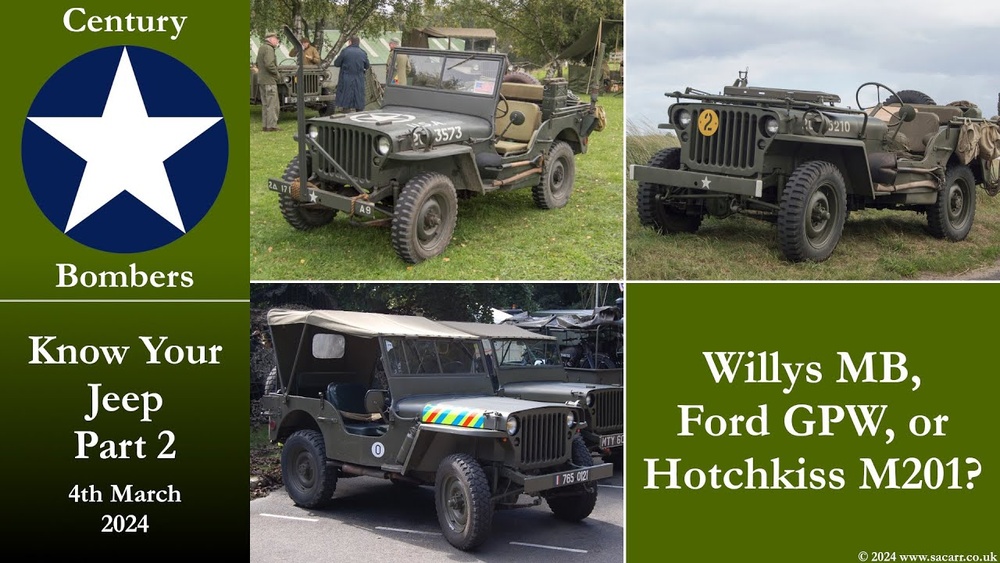
Ford Jeep Vs Willys Jeep: Origins
Willys-Overland, a small car company, won the main contract to make the new jeep. Ford, a giant in car manufacturing, was also brought in to meet the army’s huge demands.
- Willys MB: Designed by Willys-Overland. The “MB” code stands for “Model B.”
- Ford GPW: Produced by Ford Motor Company. “GPW” means “Government, P chassis, Willys design.”
Ford built its jeeps using Willys’ blueprints, but added its own touches. This meant the two jeeps looked almost identical but had unique details.
Key Technical Differences
Here’s a quick look at how the main features compare:
| Feature | Willys MB | Ford GPW |
|---|---|---|
| Engine | Go Devil 2.2L, 60 hp | Go Devil 2.2L, 60 hp |
| Chassis | Rounded front crossmember | “U” shaped front crossmember |
| Body Markings | “Willys” stamp on some parts | “F” stamped on many parts |
| Grille | Pressed steel (9 slots) | Pressed steel (9 slots) |
| Production Years | 1941–1945 | 1942–1945 |
Both jeeps used the Go Devil engine, a small but powerful four-cylinder motor. They had the same transmission and drivetrain, but Ford’s jeeps often had subtle body and frame changes for faster production.
How To Spot The Differences
For a casual observer, telling the two jeeps apart is tough. But collectors and historians look for certain clues:
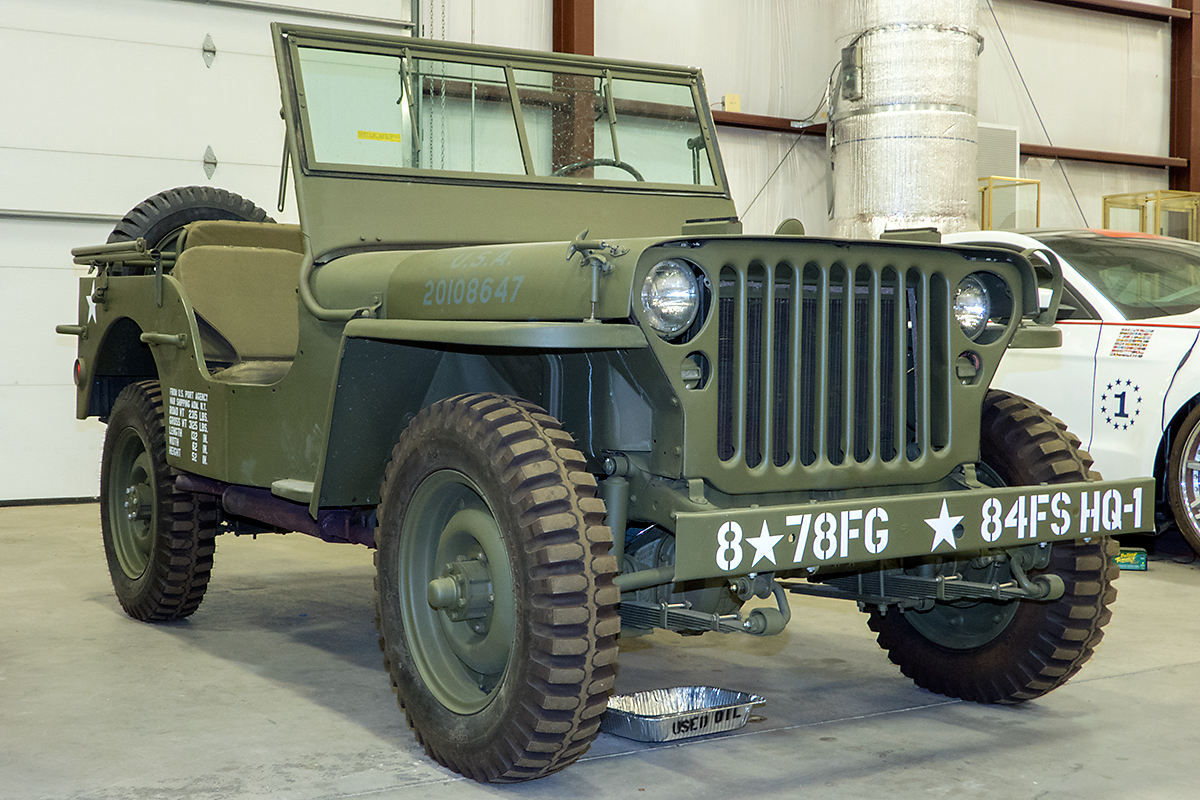
- Stamped Letters: Ford GPWs have a small “F” stamped on bolts, seats, and other parts. Willys MBs often have “Willys” or no marking.
- Chassis Crossmember: Ford used a simple “U” shape for the front crossmember, while Willys used a round tube.
- Tool Indents: Early Willys MBs have indents on the body for tools (like a shovel). Most Fords do not.
- Serial Numbers: Each jeep has a unique serial number plate that shows the maker.
Production And War Effort
The US Army needed a huge number of jeeps. Willys and Ford worked together, but also competed in quality and speed. In total, over 650,000 jeeps were built for the war:
| Manufacturer | Number Produced |
|---|---|
| Willys-Overland (MB) | ~360,000 |
| Ford (GPW) | ~280,000 |
Jeeps were shipped all over the world. They served in Europe, Africa, and the Pacific.
Their simple design meant soldiers could fix them in the field, even with basic tools.
Performance On The Battlefield
Both jeeps had similar performance:
- Top speed: About 65 mph (105 km/h)
- Range: Around 285 miles (460 km) on one tank
- Weight: 2,450 lbs (1,110 kg) unloaded
Jeeps could drive through mud, cross shallow rivers, and climb steep hills. They carried soldiers, wounded men, radios, and even towed small guns.
However, Ford’s use of stamped parts made repairs easier but sometimes less sturdy than Willys’ welded parts. A non-obvious insight: Willys MBs were sometimes preferred for rougher tasks due to their slightly more robust frame.
Impact And Legacy
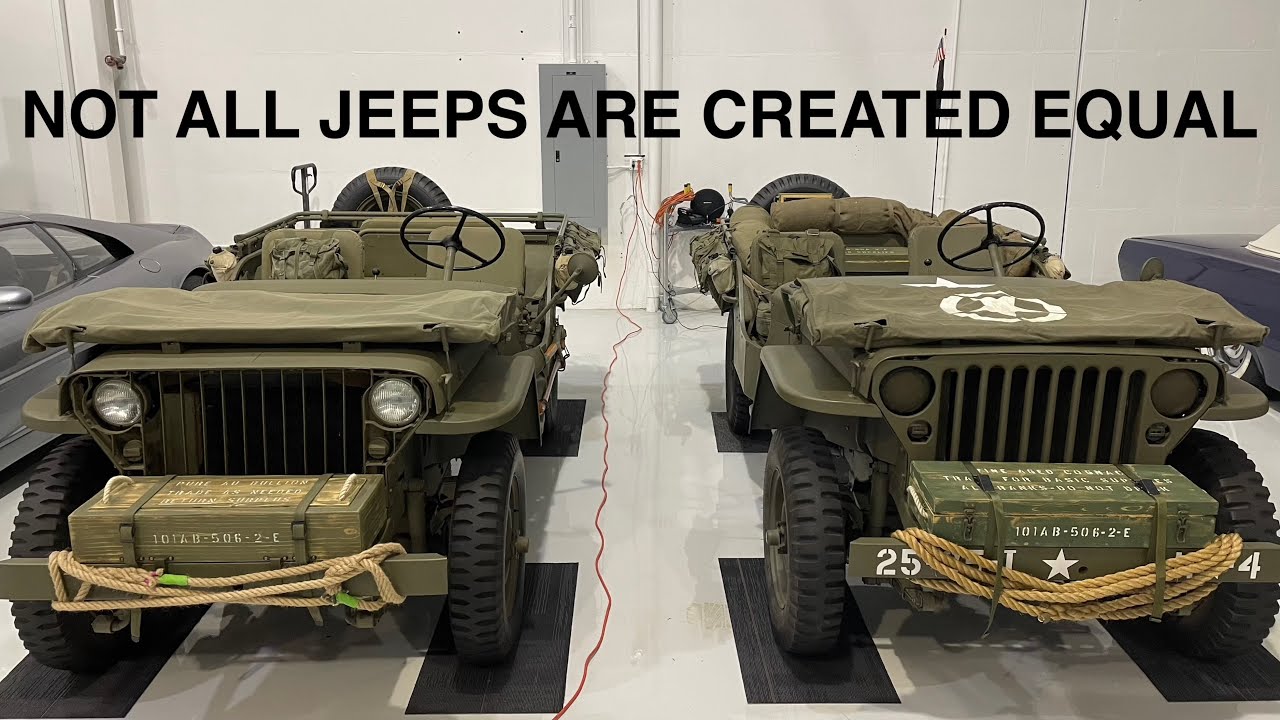
The jeep became a symbol of American strength and flexibility. After the war, many surplus jeeps were sold to civilians, starting the off-road vehicle trend. Willys later used the jeep design for civilian models (CJ series). Ford, however, left the jeep market after the war.
Another often-missed fact: The Ford GPW’s focus on standardizing parts set a model for future military vehicles. This legacy in mass production continues today.
Which Is More Valuable Today?
For collectors, both jeeps are popular. However, Willys MBs sometimes sell for higher prices, especially early models with tool indents. Ford GPWs with original “F” stamped parts are also sought after. The value depends on:
- Original condition (not rebuilt or heavily modified)
- Matching numbers (engine, chassis, body)
- Rare features (early production, special modifications)
Which Was Better?
There’s no simple winner. Both jeeps were tough, reliable, and easy to fix.
The Willys MB gets credit for the original design and rugged frame. The Ford GPW stands out for its production quality and part standardization.
For most soldiers, a jeep was a jeep they cared more about getting from A to B than who made it.
Quick Comparison Table
To help you remember the key points, here’s a simple summary:
| Aspect | Willys MB | Ford GPW |
|---|---|---|
| Main Stamp | “Willys” | “F” |
| Chassis Shape | Round tube | U-shaped |
| First Year | 1941 | 1942 |
| Collectible Value | Usually higher | High, for originals |
| Body Details | Tool indents (early) | No tool indents |
Final Thoughts
The battle between Ford Jeep and Willys Jeep was never about which was “best”—both were vital to the Allied victory. Today, they’re loved by collectors, historians, and adventurers. If you ever see a classic jeep, look closer: the small details tell a story of teamwork, smart engineering, and the drive to win against the odds. To dive deeper, check out the US Army’s official history at Wikipedia.
Frequently Asked Questions
What Is The Main Difference Between A Ford Gpw And A Willys Mb?
The main difference is in the chassis shape and the maker’s marks. Ford GPWs have “F” stamps and a U-shaped front crossmember, while Willys MBs have a round tube and sometimes “Willys” stamps.
Did Both Jeeps Use The Same Engine?
Yes, both used the Go Devil 2.2L engine with about 60 horsepower. Ford used Willys’ engine design under license.
Which Jeep Is More Valuable To Collectors?
Early Willys MBs and original Ford GPWs with matching “F” parts are both valuable. Condition, originality, and rare features raise the price.
Were There Other Jeep Makers In Wwii?
Bantam designed the first prototype but did not mass-produce jeeps. Only Willys and Ford built them in large numbers for the US Army.
Can You Still Buy A Wwii Jeep Today?
Yes, restored Willys MBs and Ford GPWs are sold at auctions and by collectors worldwide. Parts and restoration shops are active, but prices can be high for authentic models.













According to my father who served in the Marines during WW2, Ford and Willys competed for their design to be chosen and the other would be required to build theirs to have interchangeable parts with the one that one. I think it was 5 were produced by each to be evaluated. Ford won the contest but the test results were supposedly switched. So the remaining Fords were built like the Willys Jeeps. The military put those 5 test Fords in service. One of those was used on a ship that my dad was assigned to. The commander liked the idea of having a Marine Staff Sargent as his driver so he chose my dad. He told my dad that this was one of the test Fords and explained why it lost when it could substantially outperform the standard Jeep. When he had my dad drop him somewhere, he just told him to stay out of trouble or at least not get caught. He could always outrun the MPs. Sometimes they would get the vehicle number and the commander would get a letter concerning my dad. So he called my dad into his office and advise that he got another letter, read the details, wadded it up and through it in the trash and then told my dad dismissed. I am interested to find more information about the testing of both brands and if any of my dad’s claims have been validated.
The real history is a bit different from what is commonly believed: it wasn’t just Ford versus Willys; Bantam was actually the first. They created the original prototype in about 49 days. The Army then allowed Ford and Willys to study Bantam’s design and build their own versions to compete against it. All three went through rigorous testing at Camp Holabird, including durability tests and cross-country challenges.
Here’s the part that often gets misunderstood: Willys won, not Ford. Willys’ version became known as the MB. However, they couldn’t produce enough vehicles quickly enough for the war effort, so Ford was brought in to mass-produce Willys’ winning design, which became the GPW. This explains why your father’s account about Fords being built to match the Willys design is accurate; approximately 90-95% of the parts were interchangeable between the two.
Where things get a bit unclear is the narrative direction—most records indicate that Willys won and Ford had to conform, not the other way around. I couldn’t find any documentation regarding test results being swapped, or a few leftover test vehicles being put into active service. That doesn’t mean it didn’t happen; record-keeping for early prototypes was quite disorganized, and some unique vehicles did end up in service occasionally. It’s just not well-documented in the typical sources.
In my honest opinion, your dad wasn’t just making things up. The detail he remembered about Fords being built to match the Willys design is accurate, so he likely had a good grasp of the story, although the identities of the “winners” may have gotten flipped around after 80 years or explained informally by his commander instead of through official history. The personal anecdotes—such as being chosen as the driver, one of the few early Fords, outrunning the MPs, and the commander tearing up those letters—would not appear in any public record, so I can’t confirm them. However, nothing about those stories seems far-fetched considering how things worked back then.
I’m happy to investigate further to see if any of those early Ford prototypes were actually issued for operational use rather than remaining in testing; that aspect might be traceable.