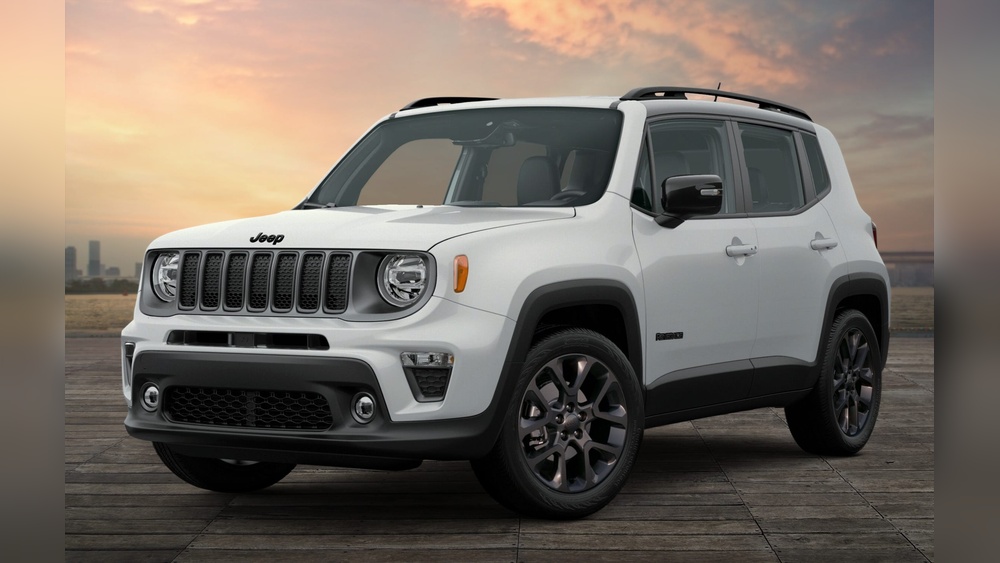
Choosing between two popular mid-size SUVs, the Ford Edge and the Jeep Cherokee, can be a tough decision for many car buyers. Both vehicles offer a blend of practicality, comfort, and capability, but they cater to slightly different needs and preferences.
The Ford Edge is often seen as a more refined, car-like SUV, focusing on on-road comfort, technology, and a spacious interior. On the other hand, the Jeep Cherokee carries the legendary Jeep name, implying a stronger focus on off-road prowess and ruggedness, even in its more urban-friendly trims.
This comparison will help you understand the key differences and similarities between the Ford Edge and the Jeep Cherokee. We'll look at their performance, interior features, safety, technology, and overall value to help you make an informed choice.
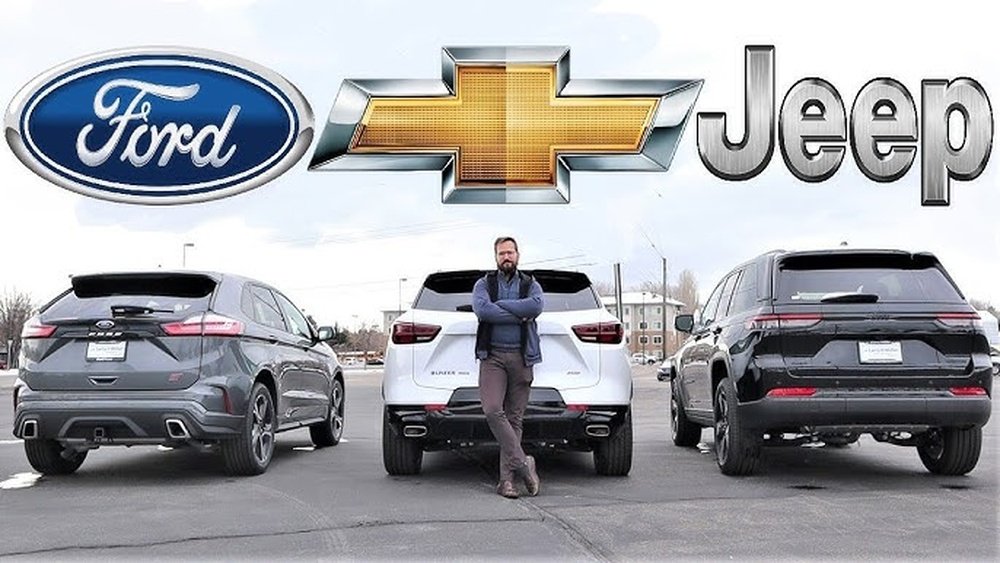
Whether you prioritize a smooth commute, adventurous excursions, or a balance of both, understanding these distinctions is crucial.
Performance And Driving Experience
When it comes to how these SUVs drive, the Ford Edge and Jeep Cherokee offer distinct experiences. The Edge generally provides a more comfortable and composed ride, making it ideal for daily driving and long road trips.
The Cherokee, with its Jeep heritage, often leans more towards capability, especially in its off-road-oriented trims, but can still offer a decent ride for everyday use.
Ford Edge Powertrains And Handling
The Ford Edge typically comes with a choice of capable engines. The standard offering is often a turbocharged EcoBoost four-cylinder engine, delivering a good balance of power and fuel efficiency. For those seeking more performance, a more powerful V6 engine might be available in higher trims, offering brisk acceleration. The Edge’s suspension is tuned for comfort, absorbing bumps and road imperfections effectively. This results in a quiet cabin and a smooth ride, which many drivers appreciate for their daily commutes.
Its handling is predictable and secure, with responsive steering that makes it feel more agile than its size might suggest. While not a sports car, the Edge handles corners with confidence. It’s a vehicle designed to feel stable and planted on paved roads, making highway driving a relaxed affair. The all-wheel-drive (AWD) system is usually optional and is designed to enhance traction in slippery conditions rather than for serious off-roading.
Jeep Cherokee Powertrains And Capability
The Jeep Cherokee has historically offered a wider range of powertrain options, often including a standard four-cylinder engine, a more powerful V6 option, and sometimes even a turbocharged option. The V6 engine, in particular, provides strong acceleration and towing capability. What sets the Cherokee apart is its available 4×4 systems, which are more robust than those found in many competitors. Jeep offers different levels of 4×4, from basic systems to more advanced ones designed for serious off-road use, complete with features like locking differentials and low-range gearing on specific trims like the Trailhawk.
The ride in a Cherokee can be a bit firmer than in the Edge, especially in off-road-focused models, to better handle rough terrain. However, modern Cherokees have improved significantly in on-road comfort. Steering is generally responsive, though it might not feel as refined as the Edge’s. The Cherokee’s ground clearance and approach/departure angles are typically better than the Edge’s, giving it a distinct advantage when venturing off the beaten path.
Interior Design And Comfort
The interior of an SUV is where occupants spend most of their time, so comfort, space, and features are paramount. Both the Ford Edge and Jeep Cherokee offer well-appointed interiors, but they differ in their approach to design and practicality.
Ford Edge Interior Space And Features
The Ford Edge is known for its spacious and comfortable cabin. It offers generous legroom and headroom for both front and rear passengers, making it a great choice for families or those who frequently carry adult passengers. The seats are often supportive and well-cushioned, ideal for long journeys. The cargo area is also quite substantial, providing ample space for groceries, luggage, or sports equipment.
Inside, the Edge typically features a clean and modern dashboard design, with intuitive controls. Higher trims often come with premium materials, creating a more upscale feel. The infotainment system is usually user-friendly, with a responsive touchscreen and integration with Apple CarPlay and Android Auto. Storage solutions within the cabin are plentiful, with large door pockets, a spacious center console, and a good-sized glovebox. The overall ambiance is one of comfort and refinement, leaning towards a more premium experience.
Jeep Cherokee Interior And Practicality
The Jeep Cherokee’s interior strikes a balance between ruggedness and modern convenience. While it may not feel as overtly luxurious as some trims of the Edge, it’s built to be durable and practical.
The front seats are comfortable, and while rear-seat space is generally adequate, it might feel slightly less accommodating than in the Edge, especially for taller passengers.
The dashboard design is functional, with Jeep’s signature styling cues. The infotainment system is typically straightforward to use, offering similar smartphone integration features as the Edge. One of the Cherokee’s strengths is its versatility. Many trims offer clever storage solutions and features designed for active lifestyles, such as fold-flat rear seats and a cargo management system. The materials used are generally robust, designed to withstand more wear and tear, which is fitting for a vehicle with off-road aspirations. The cargo space is competitive, though sometimes slightly less than the Edge, depending on the specific model year and configuration.

Technology And Infotainment
In today’s automotive market, technology plays a huge role in a vehicle’s appeal. Both the Ford Edge and Jeep Cherokee offer modern infotainment systems and driver-assistance features, but their implementation and availability can vary.
Ford Edge Tech Features
Ford has consistently equipped the Edge with its SYNC infotainment system, which has evolved over the years. Newer models usually feature a large touchscreen display that is responsive and easy to navigate. Standard features often include Bluetooth connectivity, USB ports, and smartphone integration via Apple CarPlay and Android Auto. Higher trims may add features like a premium audio system, built-in navigation, and a Wi-Fi hotspot.
Ford also offers a suite of driver-assistance technologies, often bundled into packages. These can include features like:
- Adaptive Cruise Control: Maintains a set speed and distance from the vehicle ahead.
- Blind-Spot Monitoring: Alerts the driver to vehicles in blind spots.
- Lane-Keeping Assist: Helps keep the vehicle centered in its lane.
- Automatic Emergency Braking: Can apply brakes automatically to avoid or mitigate a collision.
- Rear Cross-Traffic Alert: Warns of approaching traffic when reversing.
The integration of these technologies is generally seamless, enhancing both convenience and safety.
Jeep Cherokee Tech Features
The Jeep Cherokee typically uses the Uconnect infotainment system, which is widely praised for its user-friendliness and sharp graphics. Similar to the Edge, it offers standard features like Bluetooth, USB ports, and smartphone integration. Higher trim levels can include larger screens, premium audio options, and integrated navigation.
Jeep also provides a comprehensive set of advanced driver-assistance systems (ADAS). Depending on the trim and options, these can include:
- Full-Speed Forward Collision Warning with Active Braking: Detects potential frontal collisions and can apply brakes.
- LaneSense® Lane Departure Warning with Lane Keep Assist: Helps prevent unintentional lane drifting.
- Blind-Spot Monitoring and Rear Cross-Path Detection: Alerts to vehicles in blind spots and when reversing.
- ParkSense® Parking Assistance: Aids in parallel and perpendicular parking.
- Adaptive Cruise Control with Stop and Go: Maintains speed and distance, and can bring the vehicle to a complete stop.
The Uconnect system is known for its intuitive layout, making it easy for drivers to access and control various functions without being overly distracted.
Safety Ratings And Features
Safety is a top priority for SUV buyers, and both the Ford Edge and Jeep Cherokee generally perform well in safety tests. However, it’s always important to check the specific ratings for the model year you are considering, as these can change.
Ford Edge Safety
The Ford Edge has historically earned strong safety ratings from organizations like the National Highway Traffic Safety Administration (NHTSA) and the Insurance Institute for Highway Safety (IIHS). Standard safety features often include a rearview camera, multiple airbags, and electronic stability control. As mentioned earlier, Ford’s Co-Pilot360 suite of driver-assistance technologies is often standard or available, significantly boosting the vehicle’s active safety credentials. These features are designed to help prevent accidents, making the Edge a secure choice for families.
Jeep Cherokee Safety
The Jeep Cherokee also typically receives good safety ratings from NHTSA and IIHS. Standard safety equipment usually includes essential features like airbags, traction control, and stability control. The availability of advanced driver-assistance systems on higher trims further enhances its safety profile. Features like automatic emergency braking, blind-spot monitoring, and lane-keeping assist are crucial for modern safety. The Cherokee’s robust construction also contributes to its crashworthiness.
It is always recommended to check the latest safety scores for the specific model year you are interested in on the official NHTSA and IIHS websites.

Fuel Economy
Fuel efficiency is a significant factor for many buyers, impacting long-term running costs. The fuel economy figures for both the Ford Edge and Jeep Cherokee can vary depending on the engine, drivetrain (FWD vs. AWD), and driving conditions.
Ford Edge Fuel Efficiency
The Ford Edge, particularly with its turbocharged four-cylinder EcoBoost engine, generally offers competitive fuel economy for its class. When equipped with front-wheel drive, it can achieve respectable MPG figures.
Opting for all-wheel drive will typically result in a slight decrease in fuel efficiency.
The more powerful V6 engine option, if available, will generally consume more fuel.
Here’s a general idea of what you might expect for a recent model year (figures can vary):
- 2.0L EcoBoost (FWD): Around 21 MPG city / 28 MPG highway
- 2.0L EcoBoost (AWD): Around 20 MPG city / 26 MPG highway
- 2.7L EcoBoost V6 (AWD): Around 19 MPG city / 26 MPG highway
These are estimates, and actual mileage will depend on driving habits and conditions.
Jeep Cherokee Fuel Efficiency
The Jeep Cherokee’s fuel economy can be more varied due to its different engine options and the emphasis on 4×4 capability. The standard four-cylinder engines usually offer the best MPG.
The V6 engine will be less efficient, and the more capable 4×4 systems can also have a slight impact.
Here are some typical figures for a recent model year (figures can vary):
- 2.4L I4 (FWD): Around 22 MPG city / 31 MPG highway
- 2.0L Turbo I4 (AWD): Around 21 MPG city / 29 MPG highway
- 3.2L V6 (4×4): Around 18 MPG city / 24 MPG highway
The Cherokee’s higher MPG figures are often found in its more basic configurations, while its more capable off-road versions will naturally see lower numbers.
Off-road Capability
This is where the Jeep Cherokee typically shines, leveraging its brand heritage. While the Ford Edge is primarily designed for on-road comfort, the Cherokee offers varying degrees of off-road prowess.
Ford Edge Off-roading
The Ford Edge is not designed for serious off-roading. Its all-wheel-drive system is primarily for enhancing traction on slippery surfaces like snow, ice, or light gravel roads. It has lower ground clearance and less robust suspension components compared to dedicated off-road vehicles. While it can handle a well-maintained dirt road or a snowy driveway, taking it on challenging trails would likely result in damage and getting stuck. Its strengths lie in its comfortable and composed performance on paved surfaces.
Jeep Cherokee Off-roading
The Jeep Cherokee, especially in trims like the Trailhawk, is built with off-road capability in mind. These models feature:
- Higher ground clearance: Allowing it to clear obstacles.
- Advanced 4×4 systems: Often with low-range gearing for crawling over difficult terrain.
- Skid plates: Protecting the underbody from rocks and debris.
- All-terrain tires: Providing better grip off-road.
- Locking rear differential: To help maintain traction when one wheel loses grip.
Even non-Trailhawk Cherokee models with the available 4×4 systems offer more off-road capability than the Ford Edge. This makes the Cherokee a more suitable choice for those who live in areas with rough roads or frequently venture into the wilderness.

Pricing And Value
When considering a new vehicle, price and overall value are critical. Both the Ford Edge and Jeep Cherokee are positioned in the competitive mid-size SUV segment, and their pricing can overlap significantly depending on trim levels and options.
Ford Edge Pricing And Value Proposition
The Ford Edge typically starts at a competitive price point for its segment. As you move up through the trim levels, the price increases, bringing more premium features, more powerful engines, and advanced technology. The value of the Edge lies in its refined driving experience, spacious interior, and user-friendly technology. It’s a strong contender for buyers who prioritize comfort, on-road manners, and a sophisticated cabin for their daily driving needs. Resale value can be a consideration, and Ford generally holds its value reasonably well, though this can fluctuate by model year and market demand.
Jeep Cherokee Pricing And Value Proposition
The Jeep Cherokee’s pricing also spans a wide range, from more affordable base models to well-equipped, off-road-focused variants. The value proposition of the Cherokee is its versatility and off-road capability. For buyers who need or want to tackle rough terrain, snow, or unpaved roads regularly, the Cherokee offers a level of preparedness that the Edge simply cannot match. Its durable construction and practical interior also contribute to its value for those with active lifestyles. Like the Edge, its resale value is generally competitive, though specific trims might hold value differently based on demand for their unique capabilities.
Which Suv Is Right For You?
Deciding between the Ford Edge and Jeep Cherokee ultimately comes down to your priorities and lifestyle.
Choose the Ford Edge if:
- You primarily drive on paved roads and prioritize a smooth, quiet, and comfortable ride.
- You need spacious seating for passengers and ample cargo room for everyday use.
- You appreciate a modern, refined interior with intuitive technology.
- Your definition of “all-wheel drive” is mainly for improved traction in bad weather.
- You are looking for a vehicle that feels more like a comfortable sedan in an SUV package.
Choose the Jeep Cherokee if:
- You frequently encounter rough roads, unpaved surfaces, or challenging weather conditions like deep snow.
- Off-road capability is a significant factor in your decision, even