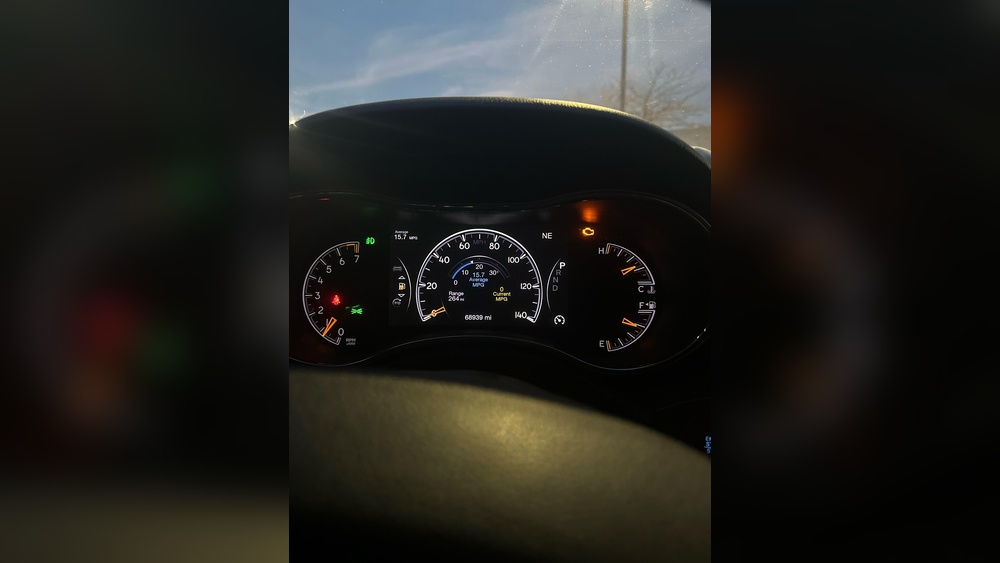
If you see the check engine light flashing on your Jeep Grand Cherokee, don’t ignore it. This blinking warning is trying to tell you something urgent about your engine’s health.
Unlike a steady light, a flashing check engine light means your Jeep is experiencing a serious problem—usually a severe engine misfire. This can cause unburned fuel to enter the exhaust system, risking damage to your catalytic converter and even permanent engine failure if you keep driving.
You need to act fast to protect your vehicle and avoid costly repairs. You’ll learn what a flashing check engine light really means, why it happens, what symptoms to watch for, and exactly what steps you should take right now to keep your Jeep running safely. Keep reading so you don’t miss critical advice that could save you time, money, and stress.
Causes Of Flashing Check Engine Light
The flashing check engine light in a Jeep Grand Cherokee signals a serious issue. It means the engine is misfiring or another problem is causing damage. Addressing the cause quickly prevents costly repairs. Understanding the common causes helps you act fast and protect your vehicle.
Engine Misfire And Its Impact
An engine misfire happens when fuel does not burn properly in a cylinder. This causes rough engine performance and loss of power. Unburned fuel enters the exhaust, which can damage the catalytic converter. A flashing check engine light often means a severe misfire. Driving in this condition risks engine failure and expensive repairs.
Faulty Oxygen Sensor
The oxygen sensor measures the oxygen level in the exhaust. It helps control the air-fuel mixture for efficient burning. A bad sensor sends wrong data to the engine’s computer. This causes poor fuel economy and higher emissions. A faulty oxygen sensor can trigger the check engine light to flash. Fixing or replacing it restores proper engine function.
Weak Battery And Electrical Issues
A weak battery can cause electrical problems in the vehicle’s system. This may lead to false alerts or real faults triggering the check engine light. Low voltage affects sensors and engine control modules. Testing the battery and charging system helps find the problem. Replacing a weak battery often solves flashing light issues caused by electrical faults.
Other Common Triggers
Other causes include bad spark plugs, damaged ignition coils, and clogged fuel injectors. These parts affect engine performance and can cause misfires. Problems with the exhaust system or fuel system may also trigger the light. Regular maintenance reduces the risk of these issues. Always have a professional diagnose the exact cause to avoid further damage.
Symptoms To Watch For
The flashing check engine light in a Jeep Grand Cherokee signals urgent engine problems. This warning means the engine is misfiring severely. Immediate attention is necessary to prevent further damage. Watch for key symptoms that show the engine is struggling.
Rough Idling And Shaking
The engine may idle roughly or shake noticeably. This happens because cylinders fail to fire properly. The Jeep may vibrate more than usual, especially when stopped. You might feel the car is unstable or uneven.
Loss Of Power
Power drops suddenly while driving or accelerating. The engine cannot deliver full strength. This loss makes it hard to maintain speed or climb hills. Driving feels sluggish and less responsive.
Unusual Exhaust Smell
A strong, unusual smell may come from the exhaust pipe. This odor often smells like fuel or rotten eggs. It indicates unburned fuel is escaping through the exhaust system. This can harm the catalytic converter.
Dashboard Alerts And Messages
Besides the flashing light, other alerts may appear on the dashboard. Messages can warn about engine or emission system faults. These alerts provide clues about the problem’s nature. They help you decide when to seek repairs.
Immediate Steps To Take
A flashing check engine light in your Jeep Grand Cherokee signals a serious problem. It means the engine is misfiring and unburned fuel is entering the exhaust system. Immediate action is necessary to prevent damage to the catalytic converter or engine failure. Follow these steps carefully to stay safe and protect your vehicle.
Safely Pulling Over
Look for a safe place to stop. Use your turn signal to alert other drivers. Slowly reduce your speed and move to the shoulder or a parking area. Avoid sudden stops or sharp turns. Keep calm and focus on getting off the road safely.
Turning Off The Engine
Once stopped, turn off the engine right away. This helps prevent further damage. Do not try to restart the vehicle until it is checked by a mechanic. Turning off the engine stops unburned fuel from causing more harm.
Avoiding Further Driving
Do not continue driving with a flashing check engine light. Driving can worsen the damage and increase repair costs. Wait for roadside assistance or have your Jeep towed to a service center. Protect your safety and your vehicle by avoiding further use until the problem is fixed.
Diagnosing The Problem
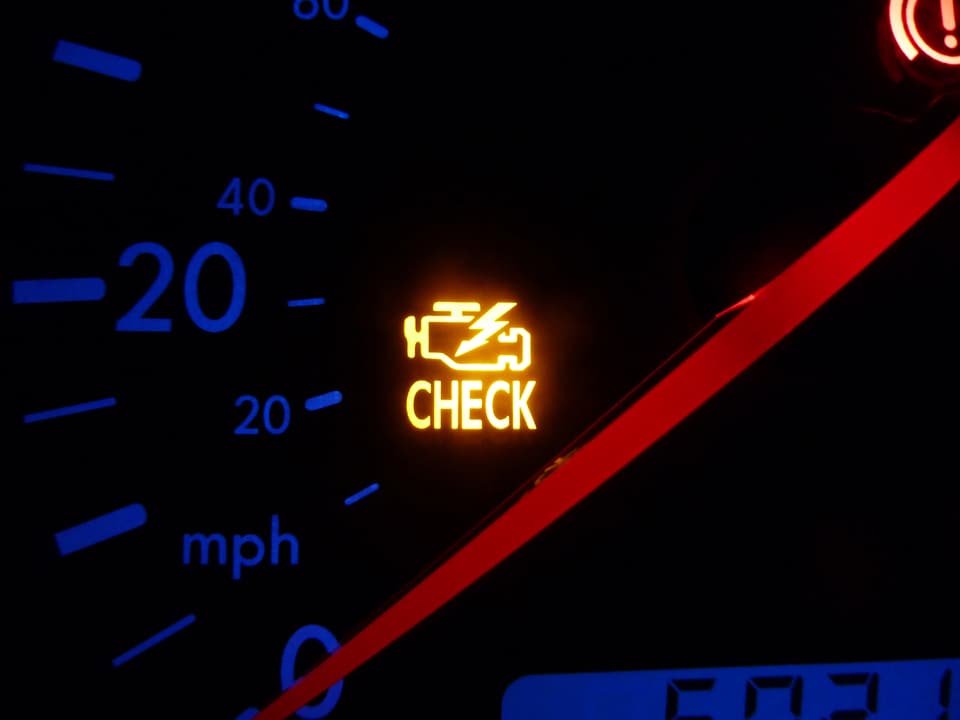
The flashing check engine light on your Jeep Grand Cherokee signals a serious issue. It usually points to an engine misfire that can damage the catalytic converter. Diagnosing the problem quickly helps avoid costly repairs. Use the right tools and tests to find the cause of the flashing light.
Using An Obd-ii Scanner
An OBD-II scanner reads trouble codes from your Jeep’s computer. These codes reveal which system or part causes the fault. Connect the scanner to the diagnostic port under the dashboard. It shows error codes that guide your next steps. Clearing codes without fixing the issue is not a solution.
Battery And Sensor Testing
A weak battery or faulty sensors can trigger the flashing check engine light. Test the battery voltage with a multimeter or battery tester. Sensors like the oxygen sensor or mass airflow sensor affect engine performance. Replace any sensor that fails the test to prevent further damage.
Professional Inspection Options
Some problems require expert attention. Mechanics use advanced tools to check fuel systems, ignition coils, and spark plugs. A professional can find hidden issues that scanners miss. Visit a trusted auto shop if the flashing light stays on after basic checks.
Repair And Maintenance Tips
Addressing a flashing check engine light on your Jeep Grand Cherokee requires prompt repair and maintenance. Ignoring this warning can lead to costly damage. Regular checks and timely fixes keep your vehicle running smoothly and safely. Here are key tips to repair and maintain your Jeep effectively.
Fixing Engine Misfires
Engine misfires cause the check engine light to flash. They happen when fuel does not burn properly inside the engine. This wastes fuel and can damage parts like the catalytic converter. To fix misfires, inspect spark plugs and ignition coils first. Replace any worn or broken parts. Cleaning fuel injectors can also help restore smooth engine operation. Address misfires quickly to avoid severe engine damage.
Replacing Faulty Sensors
Faulty sensors often trigger the flashing check engine light. The oxygen sensor is a common culprit. It measures oxygen levels in the exhaust to control fuel mixture. A bad sensor sends wrong data, causing engine problems. Replace sensors that fail diagnostic tests. Using quality parts ensures accurate readings and better engine performance. Sensor replacement is a simple fix that prevents bigger issues.
Battery Maintenance And Replacement
A weak or failing battery can cause electrical problems, including a flashing check engine light. Check battery terminals for corrosion and clean them regularly. Test the battery voltage with a reliable tester. Replace the battery if it fails to hold a charge. Proper battery care supports stable electrical signals and engine control systems. This prevents false warnings and engine stalls.
Preventive Care For Your Jeep
Routine maintenance reduces the risk of a flashing check engine light. Change engine oil and filters on schedule. Use the recommended fuel and fluids for your Jeep. Regularly inspect belts, hoses, and wiring for wear or damage. Keep the cooling system in good condition to avoid overheating. Preventive care keeps your Jeep reliable and extends its life.

Resetting The Check Engine Light
Resetting the check engine light on your Jeep Grand Cherokee is an important step after addressing the cause of the warning. A flashing check engine light often signals a serious engine issue that needs immediate attention. Once fixed, resetting the light helps confirm the problem is resolved and clears your dashboard.
There are a few ways to reset the check engine light. Some methods require tools, while others can be done manually. Knowing when to use each method keeps your Jeep running smoothly and avoids further damage.
Using A Diagnostic Tool
A diagnostic tool, also called an OBD-II scanner, is the most reliable way to reset the check engine light. Connect the scanner to your Jeep’s OBD port, usually under the dashboard. The tool reads error codes stored in the vehicle’s computer.
After repairing the issue, use the scanner to clear the codes. This action turns off the check engine light. Diagnostic tools also provide details about the problem, helping prevent future issues.
Manual Reset Methods
You can try resetting the light manually if you do not have a scanner. One common method is to disconnect the Jeep’s battery for about 15 minutes. This resets the computer and clears the light.
Another option is to turn the ignition on and off several times without starting the engine. This may reset the system and turn off the light. Manual methods do not erase error codes, so the light may return if the problem remains.
When To Seek Professional Help
A flashing check engine light means the problem is urgent. If the light flashes again after resetting, get professional help immediately. Mechanics use advanced tools to diagnose and fix complex issues.
Ignoring a flashing light can cause severe engine damage or expensive repairs. A technician ensures your Jeep runs safely and efficiently. Trust experts to handle persistent or unclear check engine warnings.
Avoiding Future Issues
Preventing future problems with your Jeep Grand Cherokee is key to avoiding a flashing check engine light. Taking simple steps can keep your engine healthy and running smoothly. Regular care helps catch issues early before they become serious.
Follow these guidelines to reduce the risk of engine trouble. Proper maintenance, good fuel choices, and smart driving habits all play a role. These actions protect your vehicle and save you money on repairs.
Regular Vehicle Inspections
Schedule routine inspections to find problems early. Mechanics check key parts like spark plugs, oxygen sensors, and the exhaust system. Early detection stops small faults from growing into big failures. Use trusted service centers for thorough checks. Do not ignore warning signs or unusual noises while driving. A quick inspection can prevent a flashing check engine light.
Fuel Quality Considerations
Use high-quality fuel to keep your engine clean. Poor fuel can cause incomplete combustion and damage sensors. Avoid cheap or contaminated gasoline. Always fill up at reliable gas stations. Consider using fuel additives that clean the fuel system. Clean fuel helps reduce engine misfires and keeps emissions low.
Driving Habits That Help
Drive gently to reduce engine stress. Avoid rapid acceleration and hard braking. Warm up your engine before driving fast or towing heavy loads. Keep your speed steady on highways. Sudden stops and starts increase engine wear. Smooth driving improves fuel efficiency and lowers the risk of engine faults. Pay attention to how your Jeep feels and sounds while driving.
Conclusion
A flashing check engine light on your Jeep Grand Cherokee signals a serious engine issue. It often means unburned fuel harms your exhaust system. Driving with this light on can cause costly damage fast. Stop driving as soon as it blinks and have a mechanic inspect the vehicle.
Early attention helps avoid bigger repairs. Staying alert to this warning keeps your Jeep running safely and smoothly.