Owning a Jeep Wrangler 4xe gives you the best of both worlds—rugged off-road power and modern electric efficiency. But if you’re new to plug-in hybrid vehicles, you might wonder: Does the Jeep Wrangler 4xe charge while driving?
This question is important for anyone considering this advanced SUV. Let’s dive deep and clear up confusion, using simple explanations and real-world examples.
How The Jeep Wrangler 4xe Charging System Works
The Jeep Wrangler 4xe is a plug-in hybrid electric vehicle (PHEV). It combines a gasoline engine with electric motors and a battery. You can plug it in to charge the battery at home or at public stations, but it also uses energy management systems while you drive.
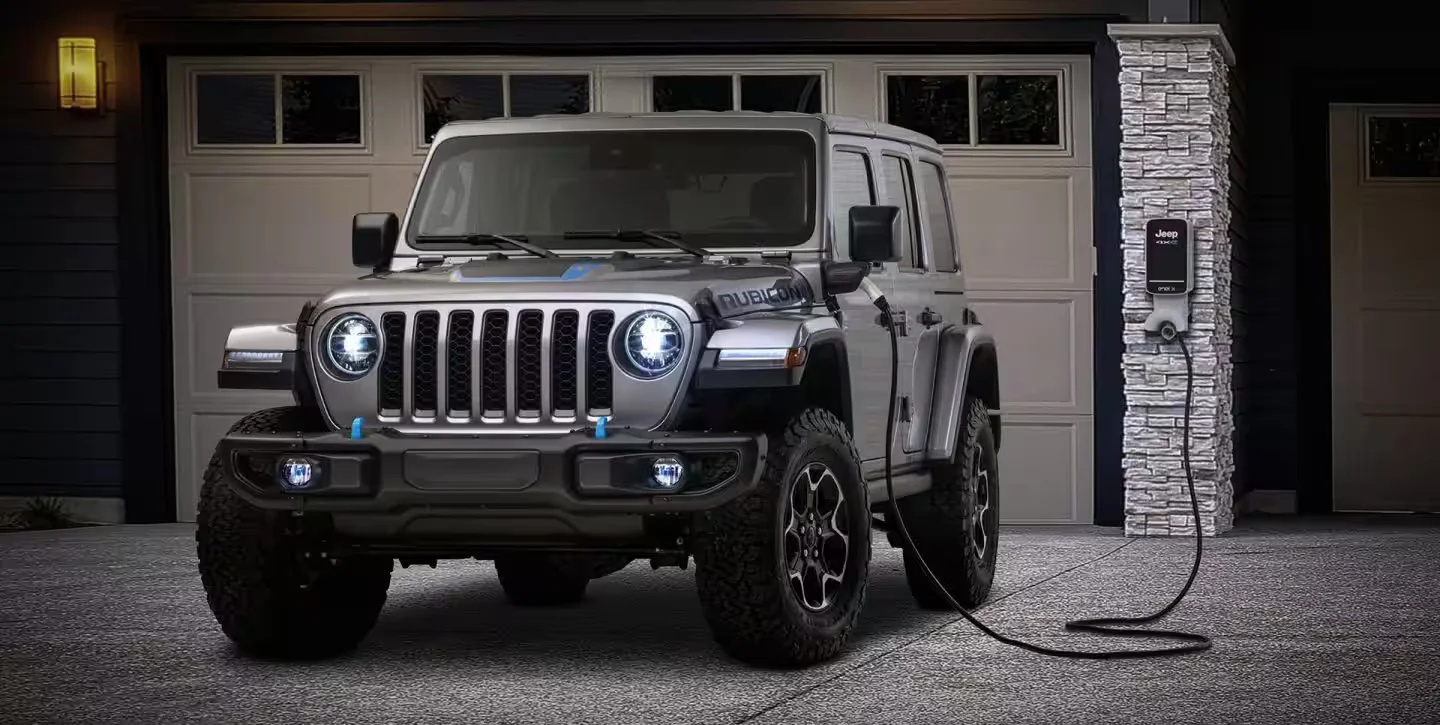
When you drive, the 4xe’s battery does not charge in the same way as plugging in. Instead, it uses regenerative braking and the engine to recover energy. Here’s a quick breakdown:
- Plug-in charging: Fully charge at a station or home outlet.
- Regenerative braking: Converts braking energy into electricity, topping up the battery slightly.
- Engine charging: The gasoline engine can help charge the battery, but only in certain modes.
Most energy comes from plugging in. Regenerative braking gives some extra charge, but it won’t fully recharge the battery.
Regenerative Braking: How It Helps
Regenerative braking is a key feature in hybrids. When you slow down or brake, the electric motor acts like a generator, capturing energy that would otherwise be lost as heat.
This energy is sent back to the battery.
Let’s compare standard braking and regenerative braking:
| Braking Type | Energy Use | Battery Recharge |
|---|---|---|
| Standard Braking | Wastes energy as heat | No recharge |
| Regenerative Braking | Recovers energy | Partial recharge |
For the Jeep Wrangler 4xe, regenerative braking is most effective in stop-and-go traffic or city driving. It won’t fully recharge the battery, but it helps extend electric driving range.
Charging While Driving: The Real Limits
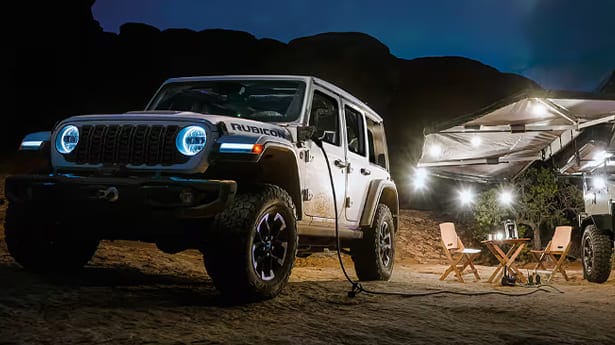
Many people think hybrid vehicles can charge their batteries completely while driving. The reality is more complex. The Wrangler 4xe’s battery can’t be fully charged just by driving around. Here’s why:
- Main charging comes from plugging in.
- Regenerative braking gives small boosts, not full charges.
- The engine can recharge the battery only in special drive modes, like eSave.
Let’s look at the different drive modes:
| Drive Mode | How Battery Is Used | Charging During Drive? |
|---|---|---|
| Hybrid | Uses both gas and electric | Minimal recharge |
| Electric | Uses only electric | Minimal recharge |
| eSave | Prioritizes gas engine | Engine charges battery |
In eSave mode, the gasoline engine can help recharge the battery. However, this is less efficient and costs more fuel. Most owners use this mode to save battery power for later, like off-road driving.
Real-world Range And Charging Insights
The Wrangler 4xe has an electric range of about 21 miles (EPA estimate) on a full charge. After that, the gas engine takes over. If you brake often or use eSave, you can regain a small amount of battery power.
Some real-world facts:
- Regenerative braking can add up to 1-3 miles of range, depending on driving style.
- Using eSave mode charges the battery slowly, but increases fuel consumption.
- Plugging in at home (Level 2 charger) takes about 2 hours for a full charge.
Here’s a comparison of charging methods:
| Charging Method | Time to Full Charge | Efficiency |
|---|---|---|
| Plug-in (Level 2) | ~2 hours | High |
| Regenerative Braking | Not full recharge | Low |
| Engine (eSave) | Slow | Medium |
Most owners rely on plug-in charging for daily use. Regenerative braking and engine charging are useful, but not substitutes for plugging in.

Two Common Misconceptions
1. “the 4xe Charges Itself Fully While Driving.”
This is not true. Only partial charging happens, and it’s not enough for full electric driving.
2. “regenerative Braking Replaces Plug-in Charging.”
Regenerative braking adds small amounts of energy, but it cannot replace regular charging.
If you want full electric range every day, make plugging in part of your routine.
Practical Tips For Maximizing Battery Use
- Plug in your Wrangler 4xe at home whenever possible.
- Use eSave mode to reserve battery power for situations where electric drive is best.
- Drive in city traffic to get more out of regenerative braking.
- Monitor battery levels on the dashboard.
- Don’t rely on driving alone to recharge—make charging part of your schedule.
These habits will help you get the most from your Wrangler 4xe’s electric features.
Frequently Asked Questions
Does The Jeep Wrangler 4xe Charge Itself While Driving?
No, the 4xe only partially charges using regenerative braking and the engine in eSave mode. Full charging requires plugging in.
Can I Drive Only On Electric Power Without Plugging In?
You can use electric mode if there is enough battery charge, but you must plug in to recharge fully. Driving alone won’t restore full battery capacity.
How Long Does It Take To Fully Charge The Jeep Wrangler 4xe?
With a Level 2 charger, it takes about 2 hours. A standard home outlet (Level 1) can take up to 12 hours.
What Is Esave Mode, And How Does It Work?
eSave mode uses the gas engine to save or recharge battery power. It’s useful for saving electric power for later, but it increases fuel use.
Is Regenerative Braking Enough For Daily Electric Driving?
No, regenerative braking helps a little but does not replace plug-in charging. For maximum electric driving, regular charging is necessary.
If you want more technical details or official specs, visit the Jeep official site.
Driving a Jeep Wrangler 4xe is exciting, but understanding how charging works is key to enjoying its full benefits. Remember, plug-in charging is essential for real electric range.
Regenerative braking and eSave are useful, but only as helpers not as replacements.
With smart habits, you can enjoy both adventure and efficiency every day.