The Jeep Renegade is a compact SUV popular for its unique design and city-friendly size. Many people choose it for adventure, road trips, or daily commuting.
But if you plan to tow something—like a small trailer, bike rack, or cargo carrier—you might wonder: does the Jeep Renegade have a trailer hitch? Let’s look at the details, options, and what owners need to know about towing with this vehicle.
Factory Trailer Hitch Availability
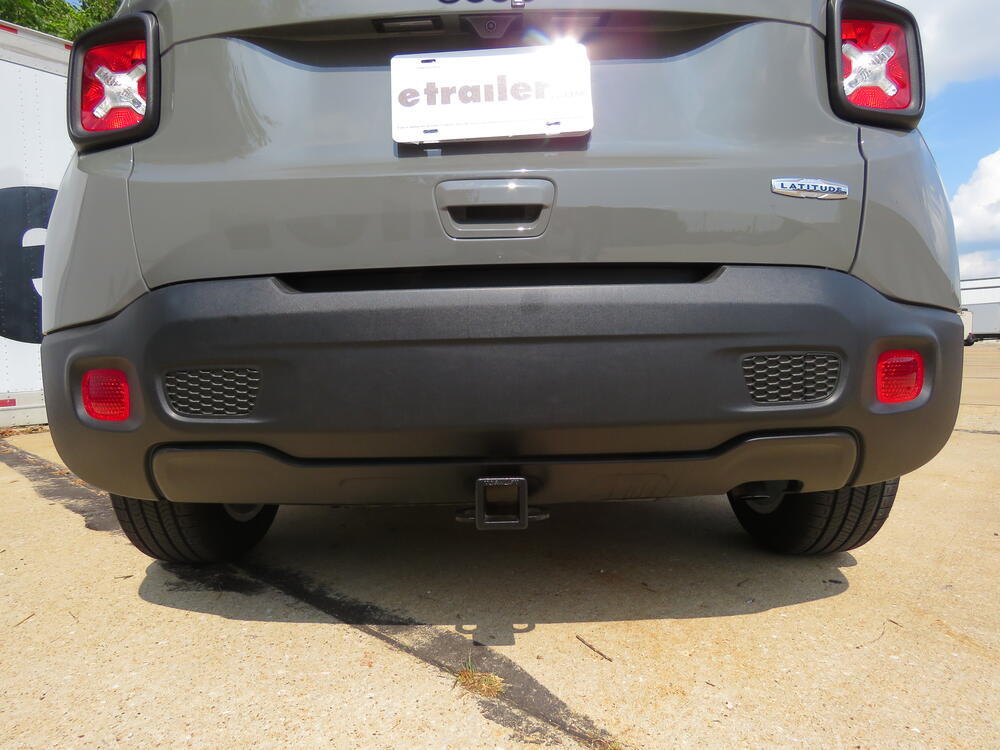
Not all Jeep Renegade models come with a trailer hitch from the factory. The base trim usually does not include one. Some higher trims, or special packages like the Trailhawk or Latitude, may offer a hitch as an optional feature. It’s important to check the specific model year and trim details, because availability can change.

Here is a comparison of factory hitch options for recent Renegade models:
| Model Year | Base Trim | Trailhawk | Optional Packages |
|---|---|---|---|
| 2021 | No | Yes (optional) | Yes |
| 2022 | No | Yes (optional) | Yes |
| 2023 | No | Yes (optional) | Yes |
If you buy a new Renegade and want a factory-installed hitch, ask your dealer about available packages. Used models may have a hitch already installed, but always check its condition and compatibility.
Aftermarket Trailer Hitch Options
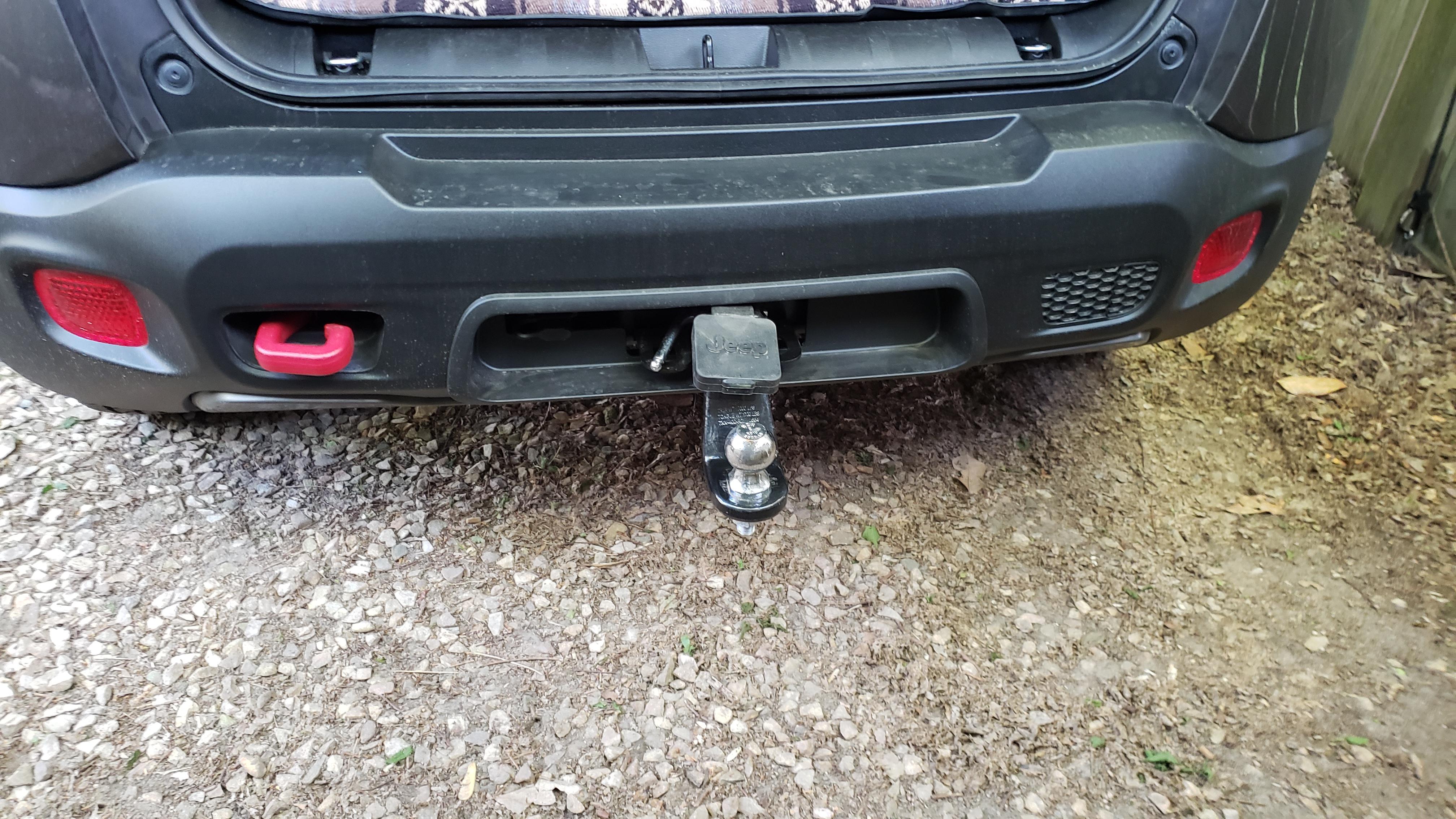
If your Jeep Renegade does not have a factory hitch, you can install an aftermarket trailer hitch. Many brands make hitches specifically for this SUV. These hitches are usually designed to fit the Renegade’s frame without major modifications.
Here are some facts about aftermarket hitches:
- Most are Class I or Class II, suitable for light-duty towing.
- Installation often takes 1–2 hours.
- Prices range from $150 to $350, not including labor.
- Professional installation is recommended for safety.
A Class I hitch can tow up to 1,000–1,500 pounds, while Class II can handle up to 2,000 pounds. Always check your Renegade’s owner’s manual for the exact towing limit, as it can vary by engine and trim.
Towing Capacity And Limits
The Jeep Renegade is not a heavy-duty towing vehicle. Its towing capacity depends on the engine and whether it’s equipped with a hitch and proper wiring.
Typical towing capacity for the Renegade:
| Engine Type | Max Towing Capacity | Recommended Hitch Class |
|---|---|---|
| 1.3L Turbo | 2,000 lbs | Class II |
| 2.4L Tigershark | 2,000 lbs | Class II |
| 1.4L Turbo (older models) | 1,000 lbs | Class I |
These numbers are for towing with a properly equipped Renegade. If your SUV is not equipped with a factory towing package, the capacity may be lower.
It’s important not to exceed these limits, as doing so can damage the vehicle or cause unsafe driving conditions.
Choosing The Right Trailer Hitch
Selecting a trailer hitch for your Renegade depends on how you plan to use it. Here are key points to consider:
- Check your towing needs. Are you towing a small trailer, bike rack, or cargo box?
- Choose the right class. For most Renegade uses, Class I or Class II is enough.
- Verify compatibility. Only buy hitches designed for your model year.
- Ensure professional installation. A poorly installed hitch can fail or damage your vehicle.
- Don’t forget wiring. If you tow a trailer with lights, you’ll need a wiring harness.
Some owners overlook wiring, leading to brake light or turn signal issues. Always include a wiring kit if your trailer needs lights.
Common Mistakes With Renegade Trailer Hitches
Many beginners make mistakes when adding a hitch to their Renegade. Here are a few to watch out for:
- Ignoring towing limits: Never exceed your Jeep’s rated capacity. This is a frequent cause of accidents.
- Skipping professional installation: DIY installs can seem easy but often lead to errors.
- Not checking for warranty impact: Some aftermarket installs may affect your warranty. Ask your dealer before making changes.
- Using wrong hitch class: Using a Class III hitch (for heavy-duty towing) is unnecessary and can be unsafe.
A non-obvious tip: after installation, always check for ground clearance. Some hitches hang low and can scrape when driving over bumps.
Real-world Examples
Many Jeep Renegade owners use their hitches for small trailers, bike racks, or extra cargo. For example, a family may tow a 1,000-pound teardrop camper for weekend trips. Others use a hitch-mounted carrier for extra luggage, especially during holidays.
One owner reported towing a jet ski trailer (about 900 pounds) without issues, but always stayed within the recommended limits. Another used a bike rack for four bikes, which added weight but did not stress the SUV.
Where To Buy And Install
You can buy aftermarket hitches from auto shops, online retailers, or Jeep dealerships. Installation is available at many service centers. Some well-known brands for Renegade hitches include CURT, Draw-Tite, and U-Haul.
For detailed guides, check official Jeep resources or trusted auto sites like Jeep Official Site.
Frequently Asked Questions
Does Every Jeep Renegade Come With A Trailer Hitch?
No, most Renegades do not include a hitch from the factory. It is usually an optional feature or part of specific packages.
You can add an aftermarket hitch if needed.
Can I Tow A Boat Trailer With My Jeep Renegade?
You can tow small boat trailers if they are under the Renegade’s towing limit (usually 2,000 pounds). Always check the trailer weight and your SUV’s capacity before towing.
How Much Does It Cost To Install A Trailer Hitch?
Typical costs are $150–$350 for the hitch itself, plus $100–$200 for installation. Prices vary by location and the hitch class.
Will Adding A Hitch Affect My Warranty?
If you use a Jeep-approved hitch and have it installed professionally, your warranty should remain intact. Aftermarket hitches may affect the warranty, so check with your dealer.
What’s The Best Hitch For Carrying Bikes?
A Class I hitch is usually enough for bike racks. Make sure the rack is compatible with your hitch and does not exceed weight limits.
The Jeep Renegade offers flexibility for light towing and carrying extra gear. Whether you need a factory or aftermarket trailer hitch, it’s important to check the exact model details, choose the right equipment, and follow safety guidelines.
With proper planning, your Renegade can handle small trailers, bike racks, and more—making your adventures easier and safer.