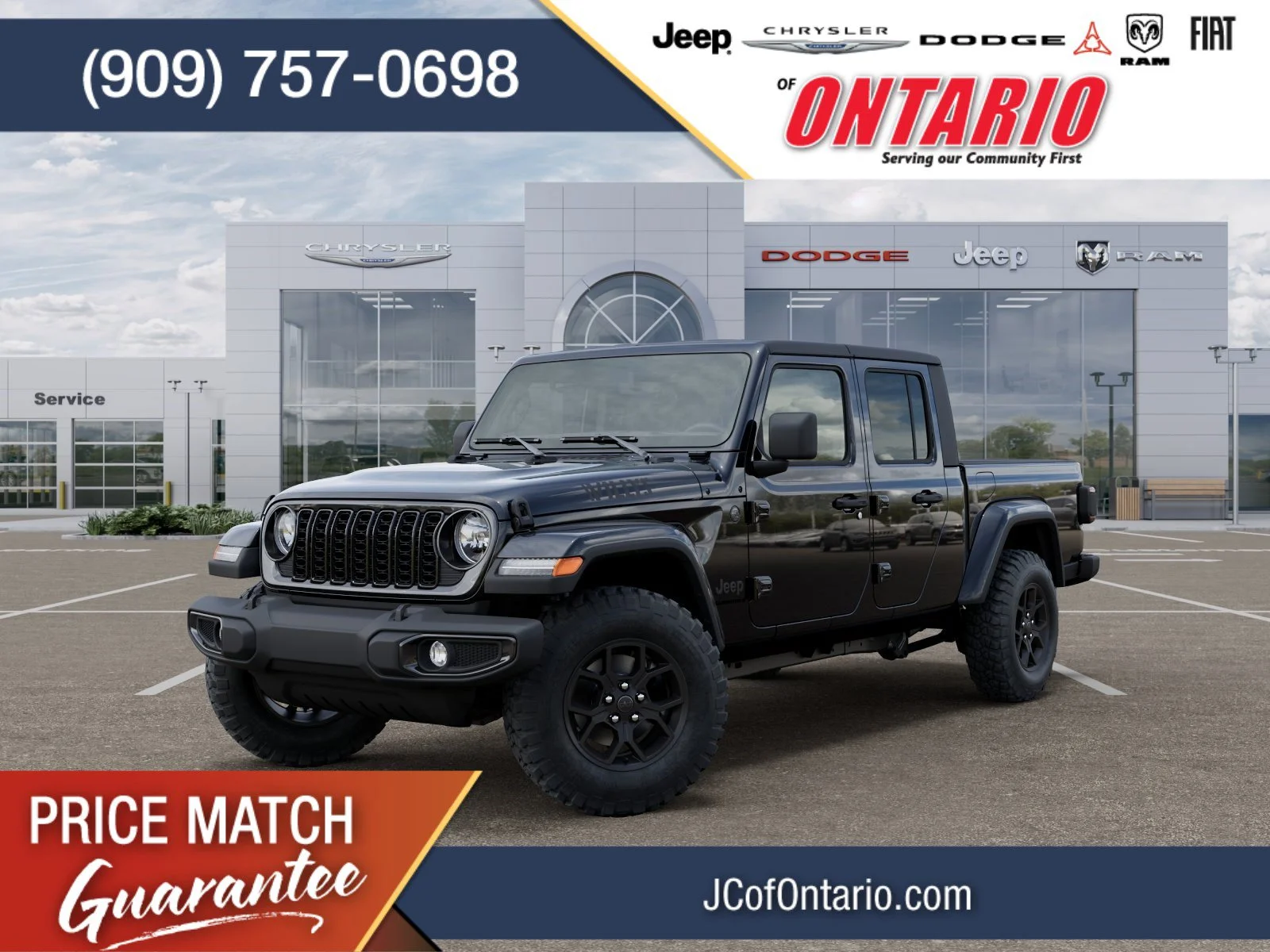
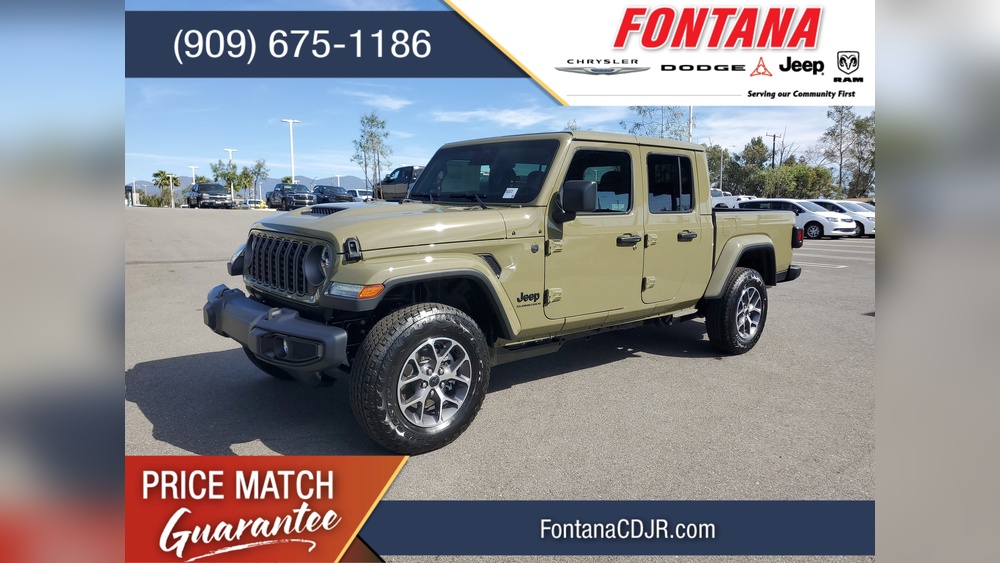
The Jeep Gladiator Overland stands out in the midsize truck market for its blend of rugged style, open-air freedom, and everyday comfort. Many buyers are drawn to its off-road image, but a common question arises: Does the Gladiator Overland actually have lockers?
Understanding this feature is key for anyone considering the Overland, especially if off-roading is on your mind. Let’s explore what lockers are, whether you’ll find them in the Overland, and how this affects your driving experience.
What Are Lockers And Why Do They Matter?
Lockers, or locking differentials, are a game-changing feature for serious off-roaders. On most vehicles, the differential lets wheels spin at different speeds. This is great for road driving, especially while turning. But off-road, if one wheel loses grip (say, in mud or on rocks), it can spin freely while the other gets no power.
A locking differential forces both wheels on the axle to turn together, even if one has no traction. This is extremely useful when:
- Climbing steep hills
- Crossing rocks
- Getting out of deep mud or sand
Without lockers, a truck’s off-road ability is limited. Lockers help keep you moving, even when the terrain gets tough.
The Jeep Gladiator Overland: Trim Features
The Gladiator comes in several trims. The Overland trim sits between the basic Sport and the more aggressive Rubicon. The Overland is aimed at drivers who want comfort and tech, with some off-road skills.
Key Overland features include:
- 18-inch wheels (more road-friendly than off-road tires)
- Body-color fender flares and hardtop options
- Uconnect infotainment system with larger display
- Leather seating (optional)
- Side steps
But what about off-road gear? The Overland gets Jeep’s Command-Trac part-time 4×4 system, but not all the hardware found on the Rubicon. This is where lockers become a big question.
Does The Gladiator Overland Have Lockers?
The short answer: No, the Jeep Gladiator Overland does not come with locking differentials from the factory.
- Front and rear lockers are only standard on the Gladiator Rubicon trim.
- The Overland uses open differentials on both axles. This means if one wheel loses traction, power goes to the wheel with least grip.
Here’s a quick comparison of driveline features:
| Feature | Overland | Rubicon |
|---|---|---|
| Differentials | Open (front & rear) | Locking (front & rear) |
| Axle Ratio | 3.73 | 4.10 |
| Transfer Case | Command-Trac (2.72:1 low) | Rock-Trac (4.0:1 low) |
If lockers are essential for your adventures, the Overland may not be the right choice—unless you plan to add them later.
How The Lack Of Lockers Affects The Overland
For most drivers, the Overland’s setup is more than enough. Its part-time 4×4 system, ground clearance, and traction control handle snow, sand, and mild trails well. But if you want to tackle:
- Rocky crawling
- Deep mud
- Steep, uneven climbs
…the lack of lockers becomes clear. In these situations, an open differential can leave you stuck.
The Rubicon’s lockers make a huge difference here.
Real-world Example
Imagine crossing a washed-out trail. One rear wheel lifts off the ground.
In the Overland, power goes to the spinning wheel, and you may stall. In the Rubicon, both wheels get power, and you keep moving.
Can You Add Lockers To The Overland?
Yes, it’s possible to add aftermarket lockers to a Gladiator Overland. Many companies offer kits for both front and rear axles. However, there are things to consider:
- Cost: Installing both lockers can run $2,000–$4,000 or more with parts and labor.
- Warranty: Modifying your axles may affect your factory warranty.
- Axle strength: The Overland comes with Dana 44 axles, which are strong, but not as beefy as the Rubicon’s upgraded units.
If you plan to add lockers, talk to a trusted off-road shop. They can recommend the right setup for your needs.
When Is The Overland Enough?
The Overland is a great fit if you:
- Spend most time on pavement or light trails
- Want a smoother ride and more luxury features
- Enjoy camping, fishing, or exploring forest roads
You probably won’t miss lockers unless you seek extreme trails. For many buyers, the Overland’s blend of comfort and capability is perfect.
Here’s a summary of Overland vs. Rubicon for different users:
| User Type | Overland Suitability | Rubicon Suitability |
|---|---|---|
| Daily driver, city/highway | Excellent | Good, but stiffer ride |
| Light off-roading | Very good | Excellent |
| Extreme off-roading | Limited | Best choice |
Other Overland Off-road Features
Even without lockers, the Overland has off-road tools:
- Skid plates for fuel tank and transfer case
- Hill start assist and electronic roll mitigation
- Traction control systems
Still, these features don’t replace locking differentials for true trail performance.
Non-obvious Insights
- Tire choice matters as much as lockers. Even with open diffs, upgrading to aggressive all-terrain tires can improve off-road traction more than you might expect.
- Electronic traction control helps—but has limits. The Overland’s system can brake a spinning wheel to send power to the other side, but it’s less effective than a real locker in tough spots.
What About Other Midsize Trucks?
Few midsize trucks offer locking differentials on their mid-level trims. Most, like the Toyota Tacoma and Ford Ranger, save lockers for their dedicated off-road models.
Here’s a quick look:
| Truck Model | Mid-Trim Lockers | Top Off-Road Trim Lockers |
|---|---|---|
| Jeep Gladiator | No (Overland) | Yes (Rubicon) |
| Toyota Tacoma | No (SR5, TRD Sport) | Yes (TRD Off-Road, Pro) |
| Ford Ranger | No (XLT) | Yes (FX4 Package) |
This shows Jeep isn’t alone in reserving lockers for its more expensive, off-road-focused trims.
Frequently Asked Questions