The Jeep Wrangler 4xe has caught the attention of drivers who want both adventure and better fuel efficiency. As a plug-in hybrid electric vehicle (PHEV), it offers electric driving with the backup of a gasoline engine.
But many people wonder: does the Jeep 4xe recharge while driving, or do you always need to plug it in? Understanding how the 4xe’s battery works can help you get the most from this unique SUV.
How The Jeep 4xe Powertrain Works
The Jeep 4xe combines a 2.0L turbocharged gas engine with two electric motors and a 17 kWh battery pack. This setup allows you to drive in all-electric mode for short distances or use hybrid power for longer trips.

You can select from three driving modes:
- Hybrid (uses both gas and electric)
- Electric (electric power only)
- ESave (gas engine preserves battery for later)
This flexibility is a key reason why the 4xe stands out compared to regular hybrids or pure electric vehicles.
Does The Jeep 4xe Recharge While Driving?
The short answer is: yes, but with limits. The Jeep 4xe can recharge its battery while driving, but not in the same way as plugging into a charger at home or a public station.
How Regenerative Braking Helps
When you slow down or brake, the 4xe uses regenerative braking. This system captures energy that would normally be lost as heat and sends it back to the battery.
- In city driving, you can recover more energy because you stop and start often.
- On the highway, regenerative charging is less effective due to steady speeds.
Regenerative braking is a common feature in modern hybrids and PHEVs, but it only adds a small amount of power—enough to extend range, not fully recharge the battery.
Gas Engine Charging
When you drive in eSave mode, the gas engine takes over and saves your battery power for later. In eSave’s “Battery Charge” setting, the engine can even recharge the battery while you drive.
However, this type of charging is much slower than plugging in. It’s best used when you know you’ll need electric power later, such as entering an emissions-restricted area.
Charging Method Comparison
Here’s a simple comparison of how the main charging methods stack up:
| Charging Method | Speed | Best For |
|---|---|---|
| Plug-in (Level 2) | 2-3 hours for full charge | Home charging, public stations |
| Regenerative Braking | Very slow | City driving, stop-and-go traffic |
| eSave (Engine) | Slow | Preserving battery, limited recharge |

How Much Battery Can You Regain While Driving?
You might wonder if you can drive all day and end up with a full battery. In reality, regenerative braking and engine charging will not fully recharge the 17 kWh battery. Here’s what to expect:
- Regenerative braking can add a few miles of electric range in city driving.
- ESave engine charging might recover 10–20% of battery over a long drive, but not a full charge.
- To maximize electric driving, plugging in is always the best method.
Drivers often overestimate how much energy they’ll get back from regular driving. The system is designed to extend range and improve efficiency, not to replace external charging completely.
Real-world Example: Daily Commute
Let’s look at a typical use case. Suppose your daily commute is 20 miles round-trip, with city and highway driving.
- If you start with a full battery, you might use electric power for most or all of your trip.
- If you don’t plug in at home, you’ll only regain a small portion of battery through regenerative braking each day.
- After a few days, you’ll be running mostly on gas unless you recharge with a plug.
This shows why regular charging is important to get the best fuel economy and lower emissions.
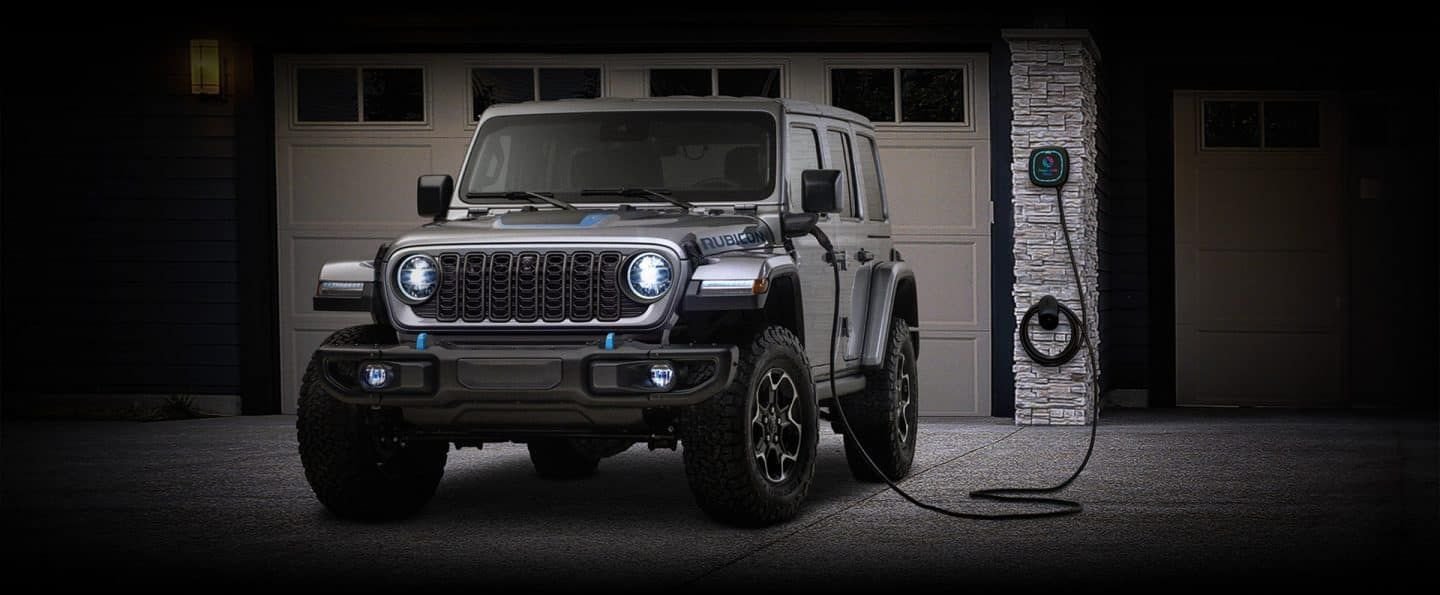
Advantages And Limitations Of On-the-go Charging
The 4xe’s ability to recharge while driving offers some useful benefits, but also has clear limits.
Advantages:
- Extends electric range in stop-and-go traffic.
- Helps boost efficiency, especially in city driving.
- Lets you save battery for later with eSave mode.
Limitations:
- Cannot fully recharge battery without plugging in.
- Engine charging uses more gas, reducing fuel savings.
- Less effective on highways or long, steady drives.
Key Tips For Maximizing Jeep 4xe Battery Life
If you want to get the most from your 4xe’s electric system, here are some practical tips:
- Plug in regularly, ideally every night.
- Use eSave mode only when you need to save battery for specific parts of your trip.
- Drive in Hybrid mode for the best balance of power and efficiency.
- Take advantage of regenerative braking by coasting and braking gently.
- Plan your route to use electric power where it matters most (such as city centers).

Jeep 4xe Vs. Other Plug-in Hybrids
How does the Jeep 4xe compare to similar vehicles? Here’s a quick look:
| Model | Electric Range | Battery Capacity | Regenerative Braking |
|---|---|---|---|
| Jeep 4xe | ~21 miles | 17 kWh | Yes |
| Toyota RAV4 Prime | ~42 miles | 18.1 kWh | Yes |
| Ford Escape PHEV | ~37 miles | 14.4 kWh | Yes |
The Jeep’s system works much like other PHEVs, but its electric range is a bit shorter. The main difference is the 4xe’s off-road ability and rugged style.
What Beginners Often Miss
New Jeep 4xe owners sometimes expect the battery to act like a self-charging hybrid, such as the Toyota Prius. But the 4xe is a plug-in hybrid, so plugging in is essential for real savings.
Another detail: using the gas engine to recharge the battery is less efficient than plugging in. You burn more fuel to generate electricity, which can reduce both savings and environmental benefits.
When Should You Plug In?
To get the most from your Jeep 4xe, plan to charge:
- At home overnight, using a Level 2 charger for fastest results.
- At work or public charging stations when available.
- Before trips where you want to use electric mode as much as possible.
Public charging networks are growing, so it’s getting easier to keep your battery topped up. For more about public charging, check the US Department of Energy’s charging station map.
Frequently Asked Questions
Can The Jeep 4xe Fully Charge Its Battery Without Plugging In?
No, the battery cannot be fully charged just from driving. Regenerative braking and engine charging help, but plugging in is necessary for a full charge.
How Much Electric Range Can I Regain From Regenerative Braking?
You might get a few extra miles in city driving, but it will not restore the full range. Most drivers regain 1–3 miles per day in normal use.
Is It Bad To Use The Gas Engine To Charge The Battery?
Using engine charging is less efficient than plugging in. It’s best used only when you need electric power for special situations, not as your main charging method.
Does Jeep 4xe Lose Electric Range In Cold Weather?
Yes, cold temperatures reduce battery efficiency and electric range. Pre-conditioning the battery (warming it up while plugged in) can help maintain range.
Can I Drive The Jeep 4xe With A Dead Battery?
Yes, the 4xe will run on gasoline power when the battery is empty. You won’t get electric-only driving, but the SUV will function as a regular hybrid.
The Jeep 4xe is a great choice for drivers who want adventure and greener driving. Understanding how its battery recharges while driving—and the limits of that system—will help you get the most from your vehicle.
Plug in often and drive smart to enjoy all the benefits this PHEV has to offer.