If you own a Jeep, you might wonder about its off-road capabilities. One key part that affects performance is the limited slip differential (LSD).
This feature changes how power moves to your wheels, especially in rough or slippery conditions. But how do you know if your Jeep has it?
Let’s break down what a limited slip differential is, why it matters, and how you can find out if your Jeep came equipped with one.
What Is A Limited Slip Differential?
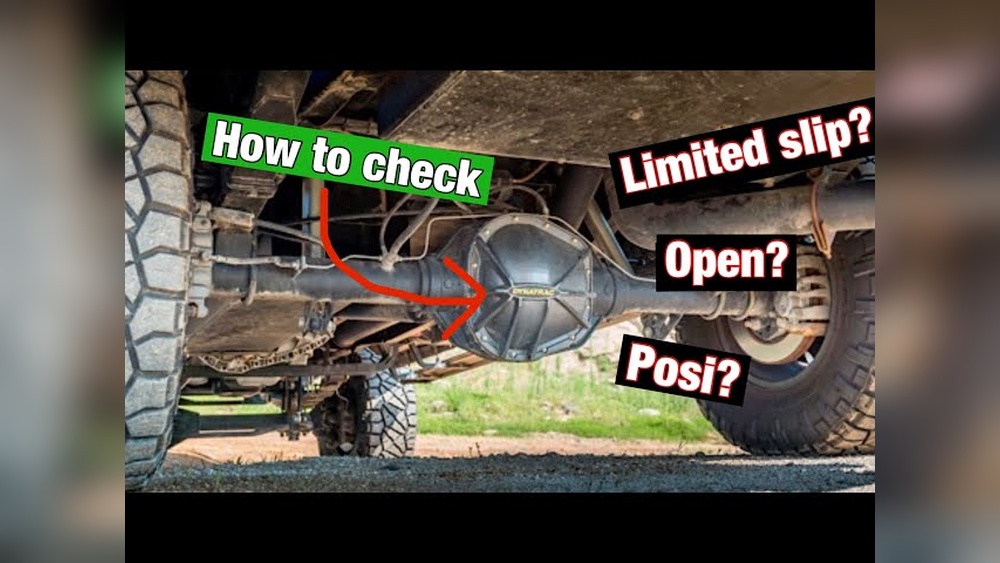
A limited slip differential is a device inside your Jeep’s axle. Its main job is to balance power between the left and right wheels. When one wheel starts to slip, the LSD sends more power to the wheel with better grip. This helps your Jeep move forward, even when one tire is on mud, ice, or loose gravel.
Most vehicles use an open differential, which divides power equally between both wheels. If one wheel loses traction, it spins freely, and the other wheel gets stuck. With LSD, you get better traction and control, making it popular for off-roading and driving in tough weather.
Why Limited Slip Differential Matters For Your Jeep
The right differential can make a big difference in how your Jeep handles:
- Improved traction: LSD keeps your Jeep moving, even if one wheel slips.
- Better off-road performance: On rocky or uneven ground, LSD helps you avoid getting stuck.
- Safer in snow and rain: LSD gives you more control on slippery roads.
- Longer tire life: By reducing wheel spin, LSD can help your tires last longer.
Some Jeep models, like the Wrangler Rubicon or Grand Cherokee with the Quadra-Drive II system, often come with advanced differentials. Others may have LSD as an option, not standard.
How To Check If Your Jeep Has Lsd
Not every Jeep has an LSD. Here are the best ways to find out if yours does:
1. Check The Window Sticker Or Build Sheet
When a Jeep is sold new, it comes with a Monroney sticker (window sticker) listing all options. Look for terms like:
- Trac-Lok
- Limited Slip Differential
- Anti-Spin Rear Differential
You can also request a build sheet from Jeep’s customer service. Give them your VIN number, and they’ll email you a list of factory options.
2. Inspect The Axle Tag
Jeep axles usually have a small metal tag under one of the cover bolts. This tag has numbers and codes. Look for:
- “LSD” or “Trac-Lok” on the tag
- Gear ratio numbers, sometimes followed by an “L” (for LSD)
Here’s a quick comparison:
| Axle Tag Marking | What It Means |
|---|---|
| 3.73 | Open Differential (standard) |
| 3.73L | Limited Slip Differential |
| Trac-Lok | Factory LSD Option |
3. Look In The Owner’s Manual
Your Jeep’s owner’s manual often lists whether you have LSD. Check the “specifications” or “drivetrain” section. Some manuals even explain how to care for the LSD, including which gear oil to use.
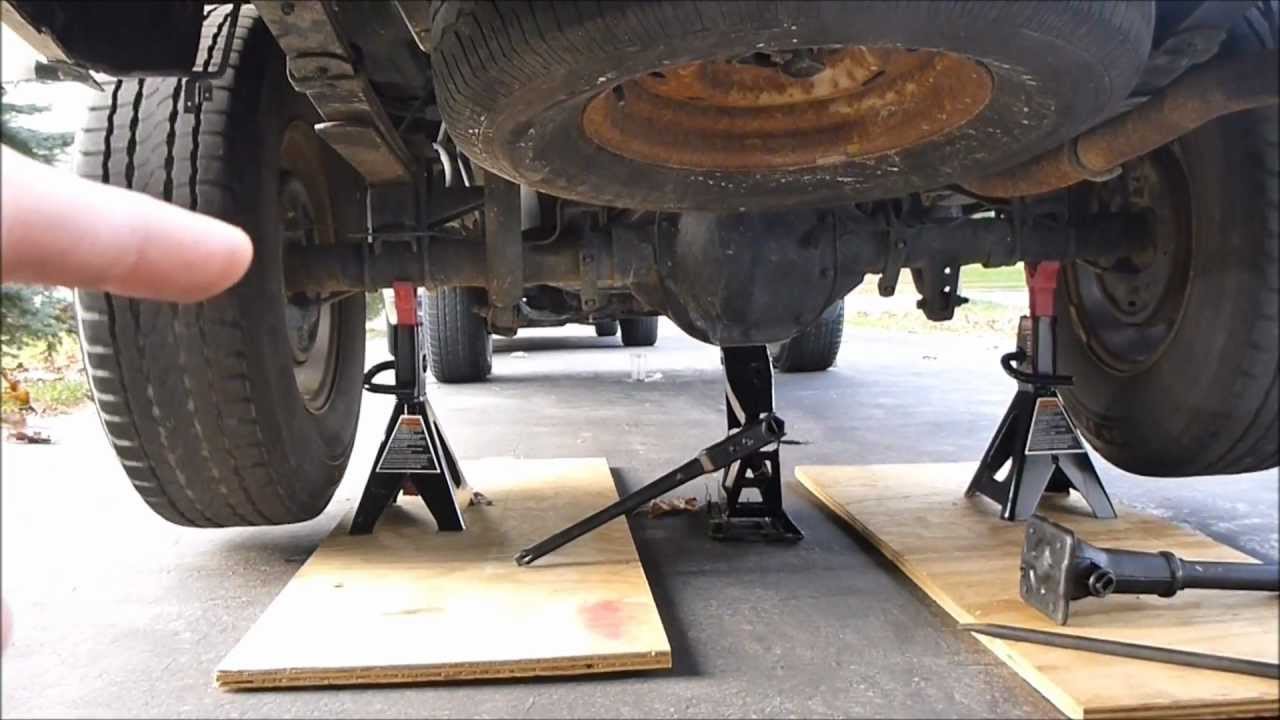
4. Do A Jack Test
If you can’t find paperwork, you can do a simple test:
- Lift the rear axle so both rear wheels are off the ground (use jack stands for safety).
- Put the Jeep in neutral (parking brake off).
- Spin one rear wheel by hand.
If the other wheel spins in the same direction, you likely have an LSD. If it spins in the opposite direction, it’s an open differential.
Note: This test is not always 100% accurate, especially if the LSD is worn out. But it gives a quick hint.
5. Ask A Mechanic
A certified Jeep mechanic can check for you. They can open the differential cover and see if an LSD unit is installed.
This is the most reliable method, but also takes the most effort.
Which Jeep Models Have Limited Slip Differential?
Many Jeep models offer LSD, but not all. Here’s a quick overview:
| Jeep Model | Factory LSD Option | Notes |
|---|---|---|
| Wrangler (TJ/JK/JL) | Yes (Trac-Lok) | Usually rear axle only, optional |
| Cherokee (XJ/KL) | Yes | Some trims, not all years |
| Grand Cherokee | Yes (Quadra-Drive II) | Advanced systems in higher trims |
| Liberty | Yes | Optional, mostly rear axle |
| Compass/Patriot | No | Usually open differentials |
Non-obvious insight: Some Jeep special editions or “trail rated” trims are more likely to have LSD. However, used Jeeps may have had the axle swapped or upgraded, so always check the actual vehicle.

Common Myths And Mistakes
Many Jeep owners believe every 4×4 has LSD. This is not true.
Some only have open differentials. Others have electronic lockers, which are different from LSDs.
Also, if the LSD has worn out, it may act like an open differential until rebuilt.
A common mistake is using the wrong gear oil. LSD units need special friction modifier in the oil. Without it, the LSD can make noise or wear out faster.
Should You Add Lsd To Your Jeep?
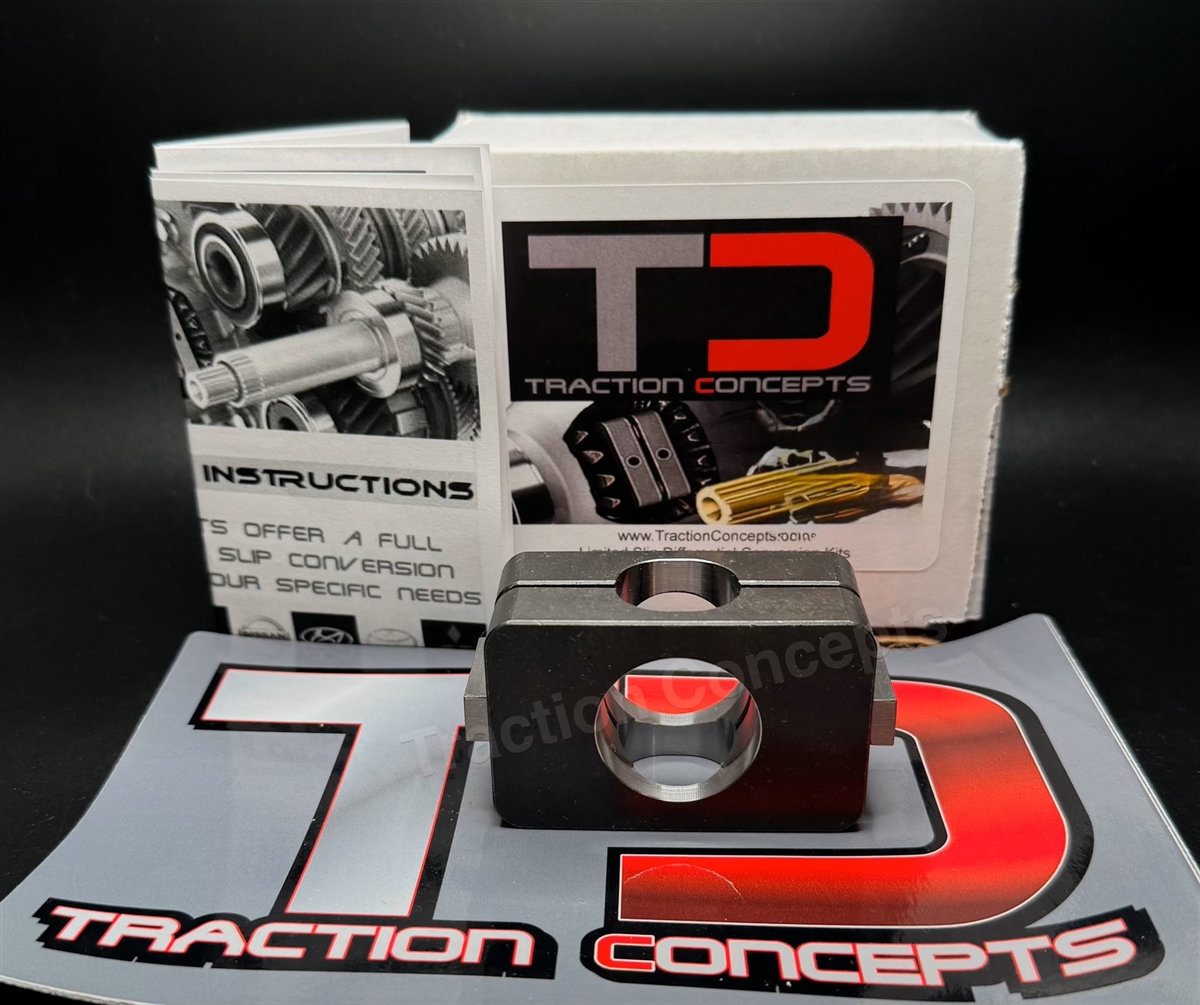
If your Jeep does not have LSD, you can install one. There are aftermarket LSDs for most Jeep axles. Some people upgrade to a locking differential for even more traction, but LSD is smoother for daily driving.
Think about your needs:
- If you drive off-road often, LSD or a locker is a good idea.
- For city or highway driving, LSD helps in rain and snow.
- Adding LSD can increase your Jeep’s resale value.
Before buying, compare costs and installation. Some systems need professional setup. For more info, see this Wikipedia article on limited-slip differentials.
Frequently Asked Questions
How Do I Know If My Jeep Has A Limited Slip Differential From The Factory?
Check your build sheet or the window sticker for options like “Trac-Lok” or “Anti-Spin Differential.” You can also look for axle tags or ask a Jeep dealer.
Can I Add Lsd To My Jeep If It Doesn’t Have One?
Yes, many aftermarket LSDs fit Jeep axles. However, installation needs special tools and knowledge. It’s best done by a professional.
What Is The Difference Between Lsd And A Locking Differential?
A locking differential sends power to both wheels equally all the time when engaged. LSD balances power but still allows some difference in wheel speed for smoother driving.
Does Lsd Need Special Maintenance?
Yes. Use the recommended gear oil and add a friction modifier if required. Change the oil at intervals listed in your owner’s manual.
Will Lsd Improve My Jeep’s Towing Or Snow Driving?
Yes, LSD gives better traction in slippery conditions, including snow and mud. It also helps when towing, by reducing wheel spin.
Knowing if your Jeep has a limited slip differential helps you drive safer and smarter. Whether you’re hitting trails or city streets, understanding your drivetrain is key. Check your paperwork, inspect your axles, or ask a pro—and enjoy the confidence that comes from knowing your Jeep inside and out.