Is your Jeep equipped with ABS? Many Jeep owners ask this question because understanding your vehicle’s safety features is important.
ABS, or anti-lock braking system, helps you stop safely during emergency braking. It’s a standard feature in many modern vehicles, but not all Jeeps have it.
Let’s look at how to check if your Jeep has ABS, why it matters, and what the system actually does.
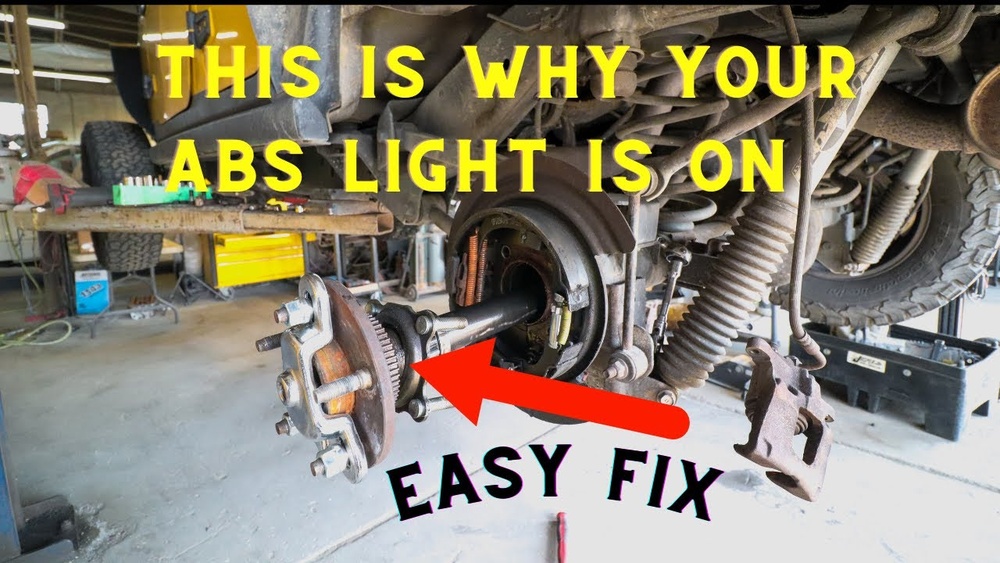
What Is Abs And Why Is It Important?
The anti-lock braking system prevents wheels from locking up during hard braking. This keeps your Jeep stable and lets you steer even if you brake suddenly. ABS reduces stopping distance on wet or slippery roads. According to the National Highway Traffic Safety Administration, vehicles with ABS are 35% less likely to be involved in fatal crashes on wet roads.
ABS is especially useful for off-road Jeeps. When driving on gravel or mud, locked wheels can cause skidding. ABS helps maintain control, which is critical for both safety and performance.
How To Check If Your Jeep Has Abs
There are several ways to find out if your Jeep has ABS. Here are the most reliable methods:
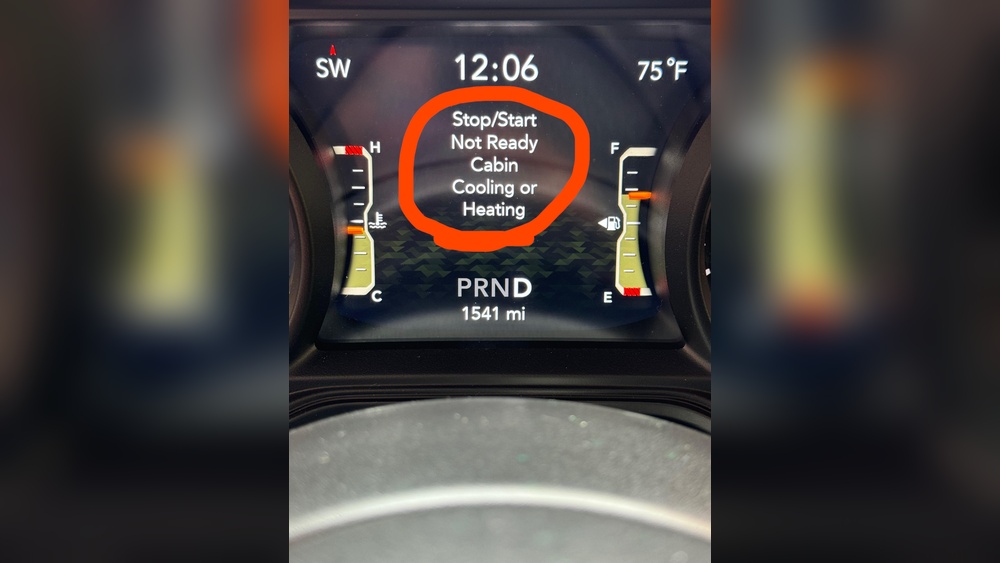
1. Dashboard Indicator Light
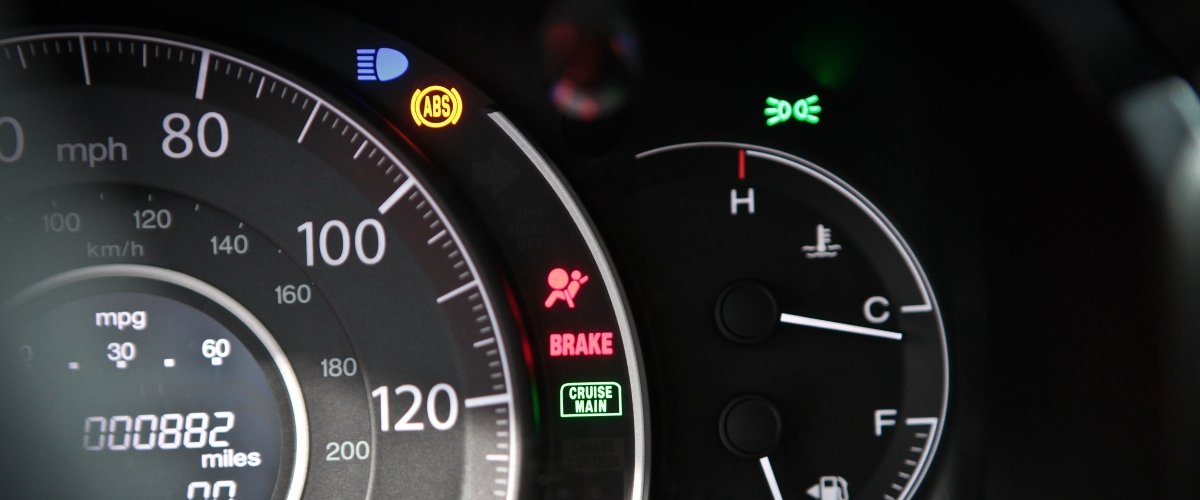
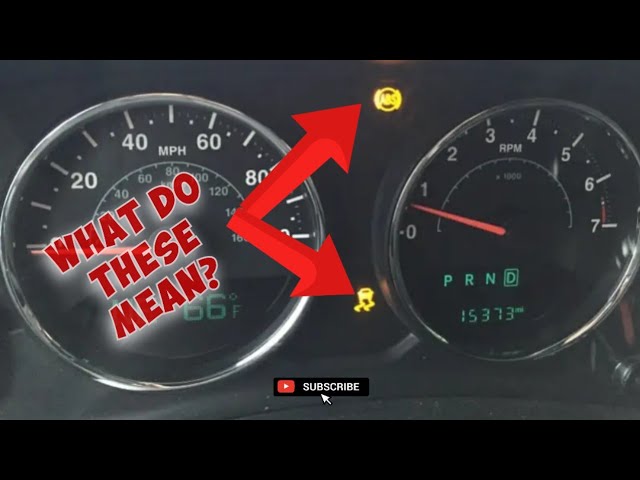
When you start your Jeep, look for an ABS light on the dashboard. If the light appears briefly and then disappears, your Jeep likely has ABS.
2. Owner’s Manual
Check the owner’s manual. Manufacturers usually mention ABS under the safety or braking system section.
3. Look Under The Hood Or Wheels
Inspect your brake lines. Jeeps with ABS have extra wiring running to the wheels.
You can spot a small sensor near each wheel hub.
4. Vin Lookup
Use your Jeep’s Vehicle Identification Number (VIN). Enter the VIN on Jeep’s official website or a trusted VIN decoder. It will list your vehicle’s features, including ABS.
5. Ask A Mechanic
A certified mechanic can check for ABS quickly. If you’re not comfortable inspecting your Jeep, this is a simple solution.
Abs Availability In Jeep Models
Not all Jeeps have ABS. The system became more common over time. Here’s a quick comparison of popular Jeep models and years:
| Model | Year Range | ABS Standard? | ABS Optional? |
|---|---|---|---|
| Wrangler (TJ) | 1997–2006 | No | Yes (some trims) |
| Wrangler (JK) | 2007–2018 | Yes | No |
| Grand Cherokee | 1999–present | Yes | No |
| Cherokee | 2014–present | Yes | No |
| Liberty | 2002–2012 | No | Yes (most trims) |
Older models, especially before 2007, may not have ABS as standard. Some trims offered it as an upgrade.
Jeep Abs Features Compared To Other Brands
Jeep’s ABS system is similar to those used in other US brands. However, Jeeps often have off-road tuning for ABS, which helps on rough terrain. Here’s how Jeep ABS stacks up against other vehicles:
| Brand | ABS Standard (2010+) | Off-Road ABS? |
|---|---|---|
| Jeep | Yes | Yes |
| Ford | Yes | Some models |
| Chevrolet | Yes | No |
| Toyota | Yes | Some models |
Jeep’s off-road ABS is tuned to allow some wheel lockup on loose surfaces, which can help with braking in mud or sand. Other brands may not offer this feature, especially in standard SUVs.
Common Mistakes When Checking For Abs
Many owners make mistakes when trying to identify ABS:
- Confusing traction control with ABS. These are different systems.
- Thinking that all modern vehicles have ABS. Some base models do not.
- Relying on visual inspection only. Not all ABS sensors are easy to spot.
If you’re unsure, use the VIN lookup method or ask a mechanic.
What If Your Jeep Doesn’t Have Abs?
If your Jeep doesn’t have ABS, you need to adjust your driving style. On slippery roads, apply brakes gently to avoid wheel lockup.
Some owners choose to upgrade their braking system, but this can be expensive and may not be compatible with all models.
A Jeep without ABS is still safe if you drive carefully. But remember, ABS adds a margin of safety during emergency stops.

Signs Your Abs Is Not Working
Even if your Jeep has ABS, the system can fail. Watch for:
- ABS warning light staying on after startup
- Pulsating brake pedal during normal stops
- Longer stopping distances
A faulty ABS should be fixed quickly. It’s a critical safety feature.
Abs System Maintenance Tips
Taking care of your ABS system is easy:
- Check brake fluid regularly. Low fluid can affect ABS performance.
- Inspect wheel sensors for dirt or damage.
- Drive your Jeep at least once a week. ABS systems need regular use to stay healthy.
Most ABS problems are caused by dirty sensors or low brake fluid. Keeping your system clean and topped up is the best prevention.
Frequently Asked Questions
How Do I Know If My Jeep Has Abs?
Look for the ABS light on your dashboard when you start your Jeep. You can also check your owner’s manual or use a VIN lookup online.
Is Abs Standard In All Jeep Models?
No. ABS became standard in most Jeep models after 2007.
Older Jeeps may have it as an option or not at all.
Can I Add Abs To My Jeep If It Doesn’t Have It?
Adding ABS is complex and expensive. Most experts do not recommend retrofitting it unless you have a compatible model. Always check with a certified mechanic.
Does Abs Help Off-road?
Yes. Jeep’s off-road ABS is tuned to work on gravel, mud, and sand. It helps keep the vehicle stable and improves braking performance.
What Should I Do If The Abs Light Stays On?
If the ABS light stays on, your system may be malfunctioning. Check your brake fluid level and clean the sensors. If the problem continues, visit a mechanic. For more information, see the NHTSA ABS Guide.
Knowing if your Jeep has ABS gives you confidence and helps you drive safely. Whether you’re on the highway or the trail, understanding your braking system is key.
Always check your Jeep’s features and keep your ABS system well-maintained for best performance.