Jeep vehicles are famous for their rugged design, off-road capability, and reliability. But many drivers wonder about the type of oil used when their Jeep rolls off the factory floor.
Is it synthetic? Does it matter for performance or warranty?
Understanding this can help you make smarter maintenance choices and avoid mistakes that could affect your Jeep’s engine health.

Factory-filled Oil: Synthetic Or Conventional?
Most modern Jeep vehicles, especially from 2011 onward, come from the factory with synthetic oil or synthetic blend oil. Synthetic oil is engineered for better protection, higher performance, and longer life compared to traditional mineral-based oil.
Here’s a look at Jeep’s factory oil policy for popular models:
| Model | Year Range | Factory Oil Type |
|---|---|---|
| Wrangler | 2018–2024 | Full Synthetic |
| Grand Cherokee | 2011–2024 | Synthetic Blend / Full Synthetic |
| Compass | 2017–2024 | Full Synthetic |
| Renegade | 2015–2024 | Synthetic Blend |
Older Jeeps (pre-2010) often used conventional oil, but with engine technology improvements, Jeep shifted to synthetic for most new models.
Why Jeep Uses Synthetic Oil
Synthetic oil is chosen for several reasons:
- Engine Protection: Synthetic oil resists breakdown under high heat and pressure. This is important for Jeep engines, which may face tough conditions.
- Longer Oil Life: Synthetic oil lasts longer, meaning fewer oil changes and less maintenance hassle.
- Fuel Efficiency: Modern engines are built to run more efficiently with synthetic oil, helping you save on gas.
- Warranty Compliance: Using factory-recommended synthetic oil keeps your Jeep warranty valid.
A non-obvious insight: Synthetic oil also helps with cold starts. It flows better in low temperatures, reducing wear when you turn the key on a chilly morning.

Synthetic Oil Grades And Specifications
Jeep recommends different oil grades depending on the model and engine type. The most common grades are 5W-20 and 0W-20 for newer vehicles. Always check your owner’s manual for the exact grade.
Let’s compare the two most-used grades:
| Oil Grade | Viscosity (Cold) | Viscosity (Hot) | Typical Models |
|---|---|---|---|
| 5W-20 | Flows well at 5°F | Stable at 212°F | Wrangler, Grand Cherokee |
| 0W-20 | Flows well at 0°F | Stable at 212°F | Compass, Renegade |
Another non-obvious tip: Some Jeep engines, like the 3.6L Pentastar V6, demand full synthetic oil to maintain performance and avoid warranty issues. Using the wrong grade or type can cause engine problems.
How To Tell If Your Jeep Has Synthetic Oil
If you’re unsure about your Jeep’s factory oil, here’s how you can check:
- Owner’s Manual: This is the most reliable source. It lists the recommended oil type and grade.
- Oil Cap Label: Many Jeeps have the oil type printed right on the cap.
- Window Sticker: New Jeeps sometimes have oil type listed on the dealer sticker.
- VIN Lookup: Some Jeep dealerships can check your VIN and tell you the factory oil.
Don’t rely on hearsay or outdated info. Always double-check to avoid mistakes.
Changing Oil: Should You Stick With Synthetic?
If your Jeep came with synthetic oil from the factory, it’s best to continue using it. Switching to conventional oil can:
- Lower engine protection
- Reduce efficiency
- Void your warranty
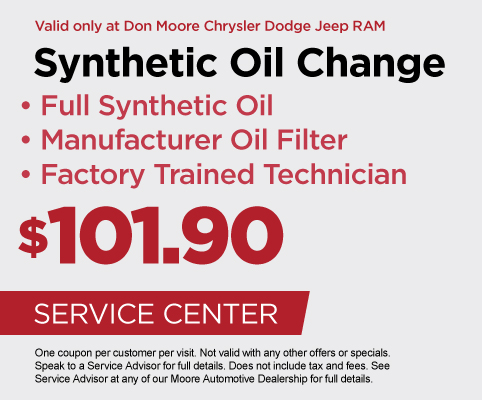
Synthetic oil is more expensive, but it pays off with longer intervals and better performance. For most Jeeps, the oil change interval is 7,500–10,000 miles with synthetic oil. With conventional oil, you’d change it every 3,000–5,000 miles.
Here’s a quick comparison of oil change intervals:
| Oil Type | Typical Change Interval | Cost per Change |
|---|---|---|
| Full Synthetic | 7,500–10,000 miles | $60–$90 |
| Conventional | 3,000–5,000 miles | $30–$50 |
Common Mistakes Jeep Owners Make
Many Jeep owners make these errors:
- Using the wrong oil type: Always use what the factory recommends. Don’t downgrade to conventional oil.
- Ignoring oil grade: Even with synthetic oil, the wrong viscosity can harm your engine.
- Skipping oil changes: Synthetic oil lasts longer, but it still needs regular changes. Don’t stretch intervals too much.
- Not checking for recalls: Sometimes Jeep issues oil-related recalls. Stay updated to avoid problems.
A practical tip: When buying a used Jeep, ask for service records. This tells you if the previous owner used the correct oil.
Jeep Oil And Warranty
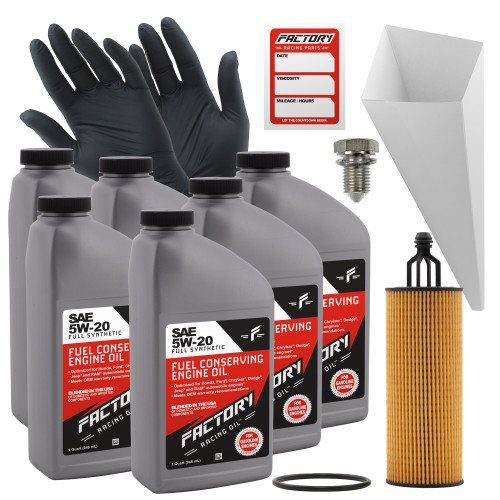
Jeep’s warranty terms are clear: use factory-recommended oil to stay covered. If you use the wrong oil, your warranty claim could be denied. Always keep receipts and records of oil changes.
If you want to learn more about oil types and engine care, the official Jeep website has reliable info: Jeep Care.
Frequently Asked Questions
Does Every New Jeep Use Synthetic Oil From The Factory?
Most new Jeeps use synthetic oil or a synthetic blend. Always check your owner’s manual for the exact oil type.
Can I Switch To Conventional Oil In My Jeep?
If your Jeep was filled with synthetic oil, switching to conventional is not recommended. It could affect engine performance and warranty.
How Often Should I Change Synthetic Oil In A Jeep?
Change synthetic oil every 7,500–10,000 miles. Extreme driving may require more frequent changes.
What Happens If I Use The Wrong Oil Grade?
Using the wrong oil grade can cause engine wear, poor performance, and possible warranty issues. Always use the grade recommended by Jeep.
Is Synthetic Oil Worth The Extra Cost?
Yes. Synthetic oil lasts longer, protects better, and saves money in the long run with fewer oil changes and better engine health.
n
Taking care of your Jeep starts with using the right oil. Factory-filled synthetic oil is standard for most newer models, and sticking with it helps your engine run smoother and keeps your warranty safe.
nnnn
Always check your manual, follow Jeep’s recommendations, and your vehicle will reward you with years of reliable service.