Many car buyers wonder about the fuel options for Jeep vehicles. Is diesel an option for Jeeps, or are they only available with gasoline engines? Understanding this can help you make the right choice, especially if you drive long distances, want more torque, or care about fuel efficiency. Let’s explore whether Jeep takes diesel, which models offer it, and what you should know before choosing a diesel Jeep.
Does Jeep Offer Diesel Engines?
Jeep is well-known for its rugged SUVs. For a long time, most Jeeps used gasoline engines. However, Jeep has also produced vehicles with diesel engines in several markets, including the United States and Europe.
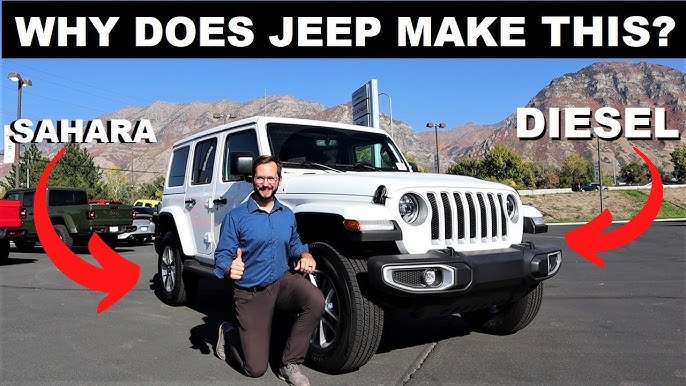
Diesel Jeeps are not as common as gasoline models, but they exist. For example, the Jeep Wrangler and Jeep Grand Cherokee have offered diesel engine options in recent years. Diesel engines are popular for their high torque and better fuel efficiency, especially for off-road driving and towing.
Which Jeep Models Take Diesel?
Not all Jeep models have a diesel option. Here are some recent examples:
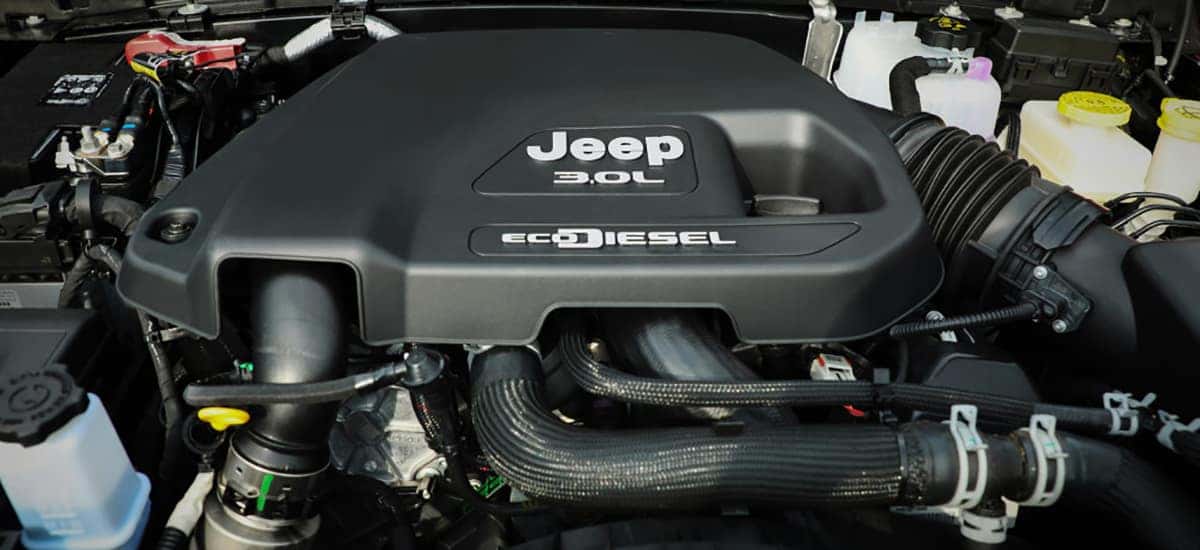
- Jeep Wrangler EcoDiesel: Introduced in 2020, the Wrangler EcoDiesel has a 3.0L V6 diesel engine. It’s available in several trims and offers strong torque for off-roading.
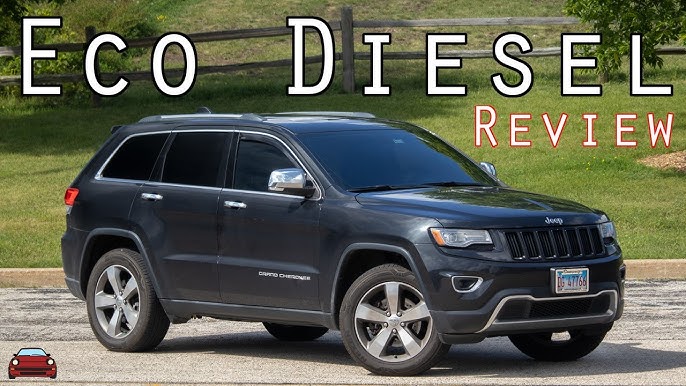
- Jeep Grand Cherokee Diesel: The Grand Cherokee had a 3.0L EcoDiesel option for a few years, providing good fuel economy and towing power.
- Jeep Gladiator EcoDiesel: The Gladiator pickup also offers a diesel engine, making it great for hauling and off-road adventures.
- European Jeep Models: In Europe, diesel engines are more common in Jeep vehicles like the Jeep Compass and Jeep Renegade.
Here is a comparison of recent Jeep diesel models:
| Model | Diesel Engine | Horsepower | Torque | Fuel Economy (mpg) |
|---|---|---|---|---|
| Wrangler EcoDiesel | 3.0L V6 | 260 hp | 442 lb-ft | 25 mpg |
| Grand Cherokee EcoDiesel | 3.0L V6 | 240 hp | 420 lb-ft | 28 mpg |
| Gladiator EcoDiesel | 3.0L V6 | 260 hp | 442 lb-ft | 24 mpg |
Benefits Of Diesel Jeeps
Choosing a diesel Jeep can bring several advantages:
- Fuel efficiency: Diesel engines use less fuel over long distances.
- Torque: Diesel engines produce more torque, which is useful for towing and off-roading.
- Longevity: Diesel engines often last longer than gasoline engines.
- Lower CO2 emissions: In some cases, diesel engines produce less carbon dioxide.
However, diesel Jeeps also have higher purchase prices and can cost more to maintain.
Diesel Vs Gasoline: Key Differences For Jeep
If you are deciding between diesel and gasoline Jeeps, consider these factors:
| Feature | Diesel Jeep | Gasoline Jeep |
|---|---|---|
| Fuel Economy | Better | Average |
| Torque | Higher | Lower |
| Noise | Louder | Quieter |
| Maintenance Cost | Higher | Lower |
| Price | Higher | Lower |
Non-obvious Insights
Beginners often miss two important points:
- Diesel engines are not available in every state. Some states have stricter emission rules. Always check local availability.
- Resale value can be different. Diesel Jeeps may hold value better in areas where diesel is popular, but not everywhere.
What To Know Before Buying A Diesel Jeep
If you think a diesel Jeep is right for you, keep these tips in mind:
- Diesel fuel is not available at every gas station. Plan your trips, especially in rural areas.
- Maintenance is different. Diesel engines need special care, like fuel filters and turbo maintenance.
- Check warranty coverage. Some warranties have different terms for diesel engines.
Here’s a quick look at maintenance differences:
| Task | Diesel Jeep | Gasoline Jeep |
|---|---|---|
| Oil Changes | Less frequent | More frequent |
| Fuel Filter | Must be replaced regularly | Less often |
| Emissions System | More complex | Simpler |
| Turbo Maintenance | Usually required | Not needed |
Are Diesel Jeeps Still Available?
Jeep has started to phase out diesel engines in some models. For example, the Wrangler EcoDiesel is ending production in 2023. This is because of tighter emission regulations and the rise of hybrid and electric vehicles.
If you want a diesel Jeep, act soon. Used diesel Jeeps are still available, and you can find them at dealerships or private sellers.
In Europe and other markets, diesel options are still more common.

Who Should Choose A Diesel Jeep?
A diesel Jeep is a great choice if:
- You tow heavy trailers often.
- You drive long distances and want better fuel economy.
- You need high torque for off-road adventures.
- You don’t mind higher maintenance costs.
If you mostly drive short distances, live in cities, or care more about initial price, a gasoline Jeep might be better.
For more details about Jeep engines and history, you can visit Wikipedia.
Frequently Asked Questions
Can I Put Diesel In Any Jeep?
No, only Jeeps with diesel engines can use diesel fuel. Most Jeeps are gasoline-only. Always check the engine type before refueling.
Are Diesel Jeeps More Reliable?
Diesel engines often last longer and handle rough use well, but they need more specialized maintenance. Reliability depends on care and use.
Is Diesel Cheaper Than Gasoline For Jeeps?
Diesel often costs more per gallon but gives better fuel economy. If you drive long distances, you might save money over time.
Why Are Diesel Jeeps Being Discontinued?
Jeep is stopping diesel models due to emission rules and the shift toward hybrid and electric vehicles. This follows global trends in the auto industry.
Can I Buy A Used Diesel Jeep?
Yes, used diesel Jeeps are available, especially older Wrangler and Grand Cherokee models. Check local listings and dealerships for availability.
Jeep’s diesel options offer unique benefits, but they are not for everyone. Understanding the differences can help you choose the right model for your needs.
Remember to check local fuel stations, warranty coverage, and resale value before buying a diesel Jeep.