Buying a Jeep is exciting, but it’s important to understand what’s covered if you sell or buy a used Jeep. The Jeep Powertrain Warranty is a big selling point, but does it transfer to the next owner?
Many people are unsure about this process. Let’s clear up the facts and show what really happens when a Jeep changes hands.
What Is The Jeep Powertrain Warranty?
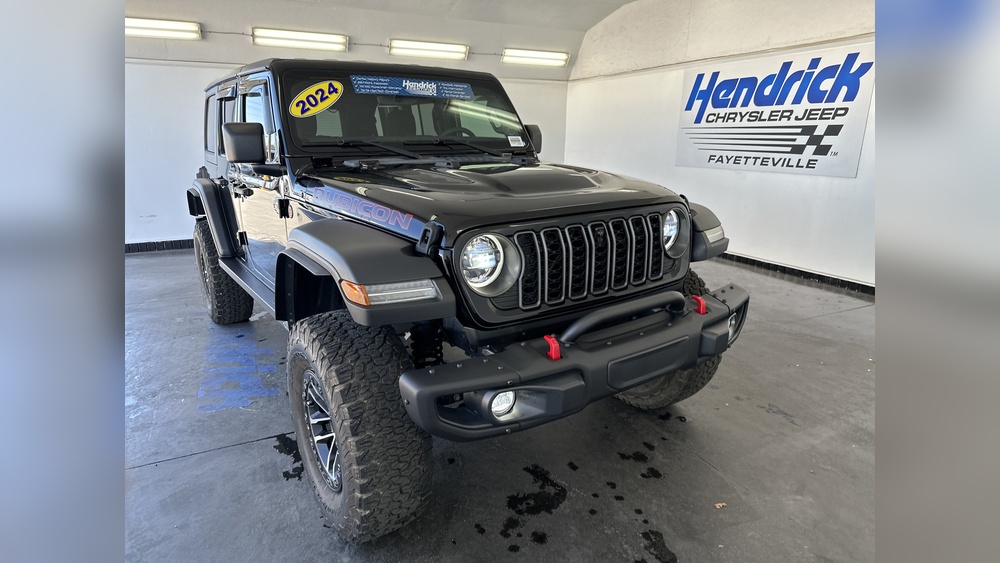
Jeep vehicles come with a 5-year/60,000-mile Powertrain Limited Warranty for most models. This warranty covers major parts such as:
- Engine
- Transmission
- Drivetrain components
The coverage starts from the original in-service date. It’s designed to protect against manufacturing defects, offering peace of mind for both new and used car buyers.
Is The Jeep Powertrain Warranty Transferable?
The short answer: Yes, but with conditions.
If you sell your Jeep during the warranty period, the remainder of the Powertrain Warranty transfers to the next owner. This means the new owner enjoys the same benefits until the time or mileage limit ends.
However, there are important details:
- Only the Powertrain Warranty transfers fully. Other warranties, like the 3-year/36,000-mile Basic Limited Warranty, also transfer.
- The warranty applies to private sales and dealer resales.
- The transfer happens automatically—no fee or action is required.
Let’s compare transferable and non-transferable warranties for clarity:
| Warranty Type | Transferable? | Length |
|---|---|---|
| Powertrain Limited | Yes | 5 years/60,000 miles |
| Basic Limited (Bumper-to-Bumper) | Yes | 3 years/36,000 miles |
| Corrosion Perforation | Yes | 5 years/unlimited miles |
| Roadside Assistance | No (usually) | 5 years/60,000 miles |
How Does The Transfer Process Work?
You don’t need to fill out forms or pay fees for the Powertrain Warranty to transfer. When the vehicle is sold, Chrysler (Jeep’s parent company) tracks ownership by the Vehicle Identification Number (VIN). The new owner should:
- Go to an authorized Jeep dealer.
- Provide proof of purchase (bill of sale or title).
- Ask the dealer to update ownership records.
This step is not required for coverage, but it can help avoid confusion if warranty service is needed.
Common Misunderstandings About Jeep Warranty Transfer
Many people believe warranties end with the first owner or only apply to dealer sales. Here are two key facts:
- Private buyers get the same coverage as buyers from a dealer.
- The warranty period does not reset with a new owner; it continues from the original sale date.
For example, if a Jeep was first sold two years ago and has 25,000 miles, a new buyer gets the remaining 3 years or 35,000 miles of Powertrain Warranty.

What’s Not Transferred?
Not all protections move with the vehicle:
- Any extended warranties or service contracts bought separately may not transfer unless specifically stated.
- Wear-and-tear items (brakes, tires) are not covered.
- Some roadside assistance benefits end with the first owner.
Check the contract details before assuming coverage.
Real-world Example
Consider a 2021 Jeep Wrangler with 24,000 miles that’s sold in 2024. The Powertrain Warranty would still have:
- 2 years or 36,000 miles of coverage left (whichever comes first).
The new owner can take the Jeep to any Jeep dealership for powertrain repairs covered under warranty. They do not pay extra or register separately for this benefit.
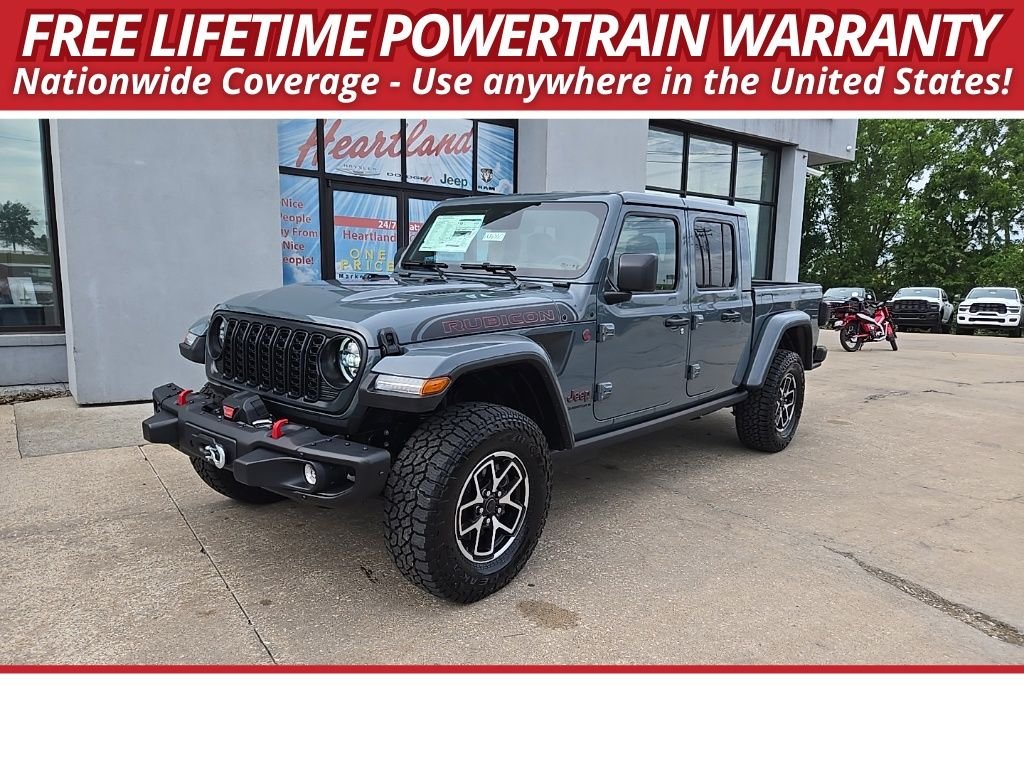
Powertrain Warranty Vs. Extended Warranty
Many used Jeep buyers consider purchasing an extended warranty. How is this different from the factory powertrain coverage?
| Feature | Factory Powertrain Warranty | Extended Warranty |
|---|---|---|
| Included with Vehicle? | Yes | No, must be purchased |
| Transferable? | Yes, automatic | Sometimes, check contract |
| Coverage Length | 5 years/60,000 miles | Varies (often up to 8 years/125,000 miles) |
| Parts Covered | Engine, transmission, drivetrain | Depends on plan; can be bumper-to-bumper |
Insight: Many buyers skip reading the fine print on extended warranties. Always confirm transfer rules before buying, as not all aftermarket plans move to a new owner.
Non-obvious Insights
- Warranty work must be done at an authorized Jeep dealership. Repairs at non-authorized shops can void the warranty or may not be reimbursed.
- Factory recalls are separate from the Powertrain Warranty. Even if the warranty ends, recalls are performed at no cost for all owners.

Tips For Buyers And Sellers
- Buyers: Ask for all service records. Regular maintenance can affect warranty eligibility. Check for open recalls using the Jeep VIN lookup tool.
- Sellers: Give the new owner the warranty booklet and owner’s manual. These documents help prove coverage if needed.
Where To Learn More
For the most accurate and updated information, visit the official Jeep Warranty page.
Frequently Asked Questions
Does The Jeep Powertrain Warranty Transfer To A Second Owner?
Yes, the balance of the Powertrain Warranty transfers automatically to the next owner, whether sold privately or through a dealer.
Do I Need To Pay A Fee To Transfer The Warranty?
No, there is no fee to transfer the Jeep Powertrain Warranty. The transfer is automatic.
Is The Extended Warranty Transferable?
Some extended warranties are transferable, but not all. Check your specific contract for transfer terms and requirements.
Does The Warranty Cover Everything On The Vehicle?
No, the Powertrain Warranty only covers the engine, transmission, and drivetrain parts. It does not cover wear items, body, or interior components.
How Can I Check My Jeep’s Warranty Status?
Visit a Jeep dealership with your VIN or use the online Jeep warranty lookup tool to see remaining coverage.
Understanding the Jeep Powertrain Warranty transfer process gives both buyers and sellers confidence. Knowing what’s covered, what’s not, and how the transfer works helps you make better decisions and avoid surprises.
Always check your specific vehicle’s documents for details and contact a Jeep dealership if you have questions.


















