Many Jeep owners are surprised when they open the hood and spot not one, but two batteries tucked inside their Jeep JL. This detail often leads to questions: Why are there two batteries?
Does every Jeep JL have them? Understanding your Jeep’s battery system can help you avoid headaches and make smarter maintenance choices.
Let’s look closer at how the Jeep JL’s battery system works and what it means for daily driving.
Jeep Jl Battery Setup: What’s Under The Hood?
The Jeep JL, launched in 2018, brought many upgrades from previous Wrangler models. One of the most talked-about changes is its use of a dual battery system. However, not all Jeep JLs have two batteries. The answer depends on the engine type and factory-installed features.
Which Jeep Jl Models Have Two Batteries?
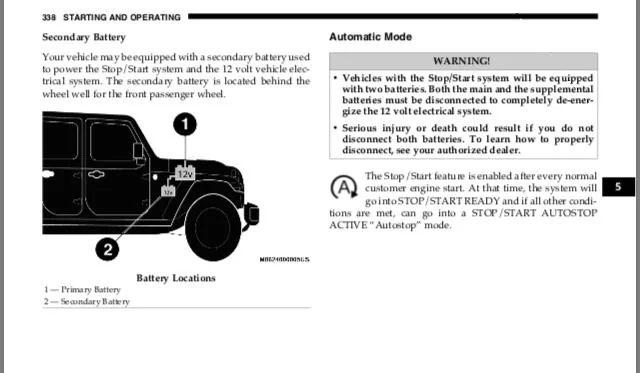
Most Jeep JL Wranglers with the 3.6L Pentastar V6 engine and equipped with ESS (Engine Stop-Start) system have two batteries. The main battery starts the engine and powers accessories, while a smaller auxiliary battery supports the stop-start function.
Models with the 2.0L turbo or EcoDiesel engines may have a different setup, often with a single battery or unique arrangements. Always check your vehicle’s specs to be sure.
Where Are The Batteries Located?
- Main battery: Front engine compartment, easy to see.
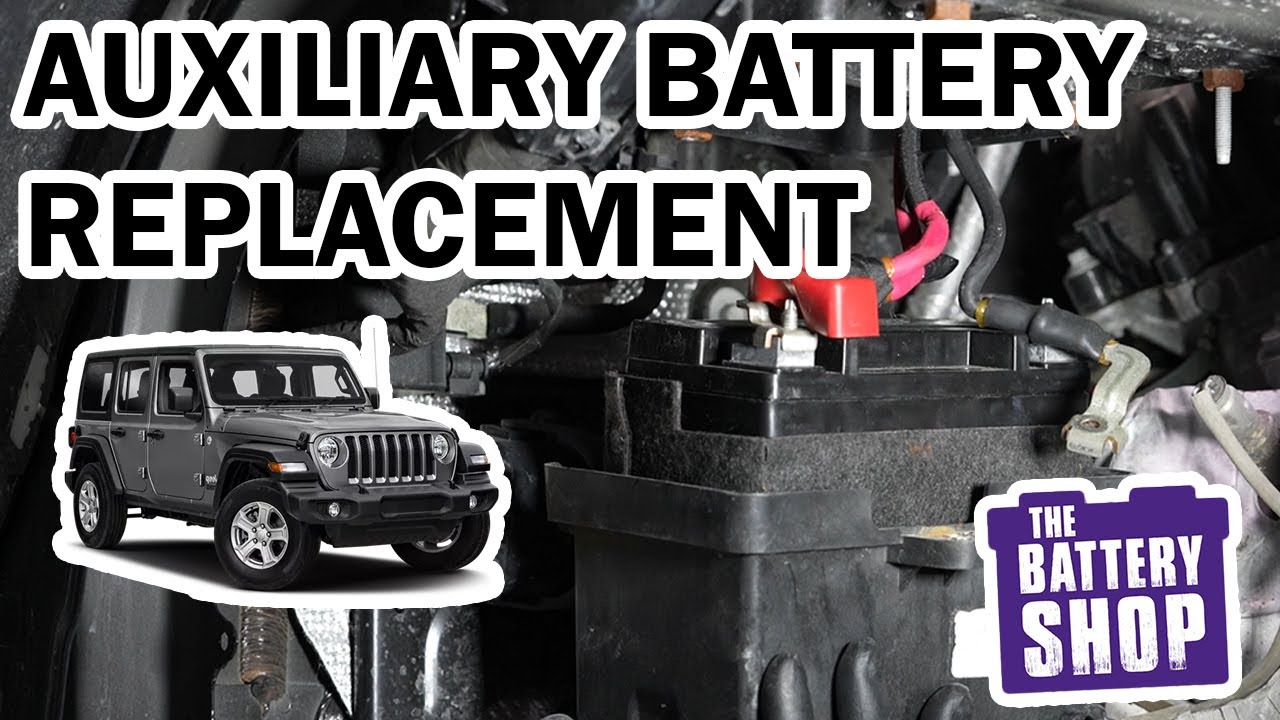
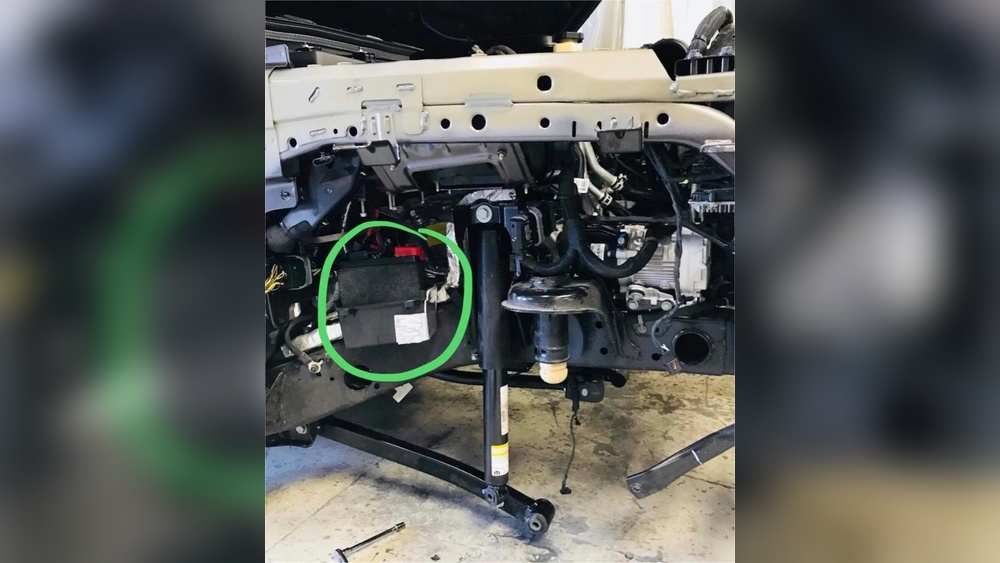
- Auxiliary battery: Smaller, hidden under the fuse box near the main battery.
This compact setup saves space but can make battery replacement trickier.
Why Does The Jeep Jl Use Two Batteries?
The main reason is the Engine Stop-Start (ESS) system. This feature turns the engine off at stops (like traffic lights) to save fuel and reduce emissions. When you release the brake, the engine restarts instantly.
To handle this, two batteries are used:
- Main battery: Handles normal vehicle needs and engine starts.
- Auxiliary battery: Powers electronics during ESS operation, so your radio, AC, and lights don’t cut out when the engine stops.
This separation keeps your car’s features running smoothly, even as the engine cycles off and on.
Jeep Jl Battery Comparison
Here’s how the two batteries compare:
| Battery | Location | Typical Size | Main Function |
|---|---|---|---|
| Main Battery | Engine compartment | Group 48/49 | Starts engine, powers systems |
| Auxiliary Battery | Under fuse box | Small AGM | Supports ESS, powers accessories |
Pros And Cons Of The Dual Battery System
The two-battery setup offers several advantages, but also some challenges.
Benefits:
- Improved fuel efficiency: ESS system helps you use less gas.
- Stable electronics: Lights, music, and controls keep working at stops.
- Longer battery life: Each battery shares the load, reducing wear.
Drawbacks:
- More complex: Two batteries mean more parts to monitor.
- Higher replacement cost: You may need to replace both at once.
- Hidden auxiliary battery: Harder to access, can increase labor costs.
Many owners don’t realize the auxiliary battery is even present until it fails. This can lead to confusion when electrical issues appear unexpectedly.
Signs Your Jeep Jl’s Batteries Need Attention
Batteries don’t last forever, and the ESS system can add extra strain. Watch for these warning signs:
- ESS not working: If the stop-start feature stops, the auxiliary battery might be weak.
- Slow engine cranking: Struggling to start can mean either battery is failing.
- Warning lights: “Stop/Start Unavailable” or “Battery Charging” messages.
- Dimming lights: Flickering or dim accessories, especially at stops.
If you see these signs, test both batteries, not just the main one. Many auto shops miss the smaller battery during checks.
Replacing Jeep Jl Batteries: What You Need To Know
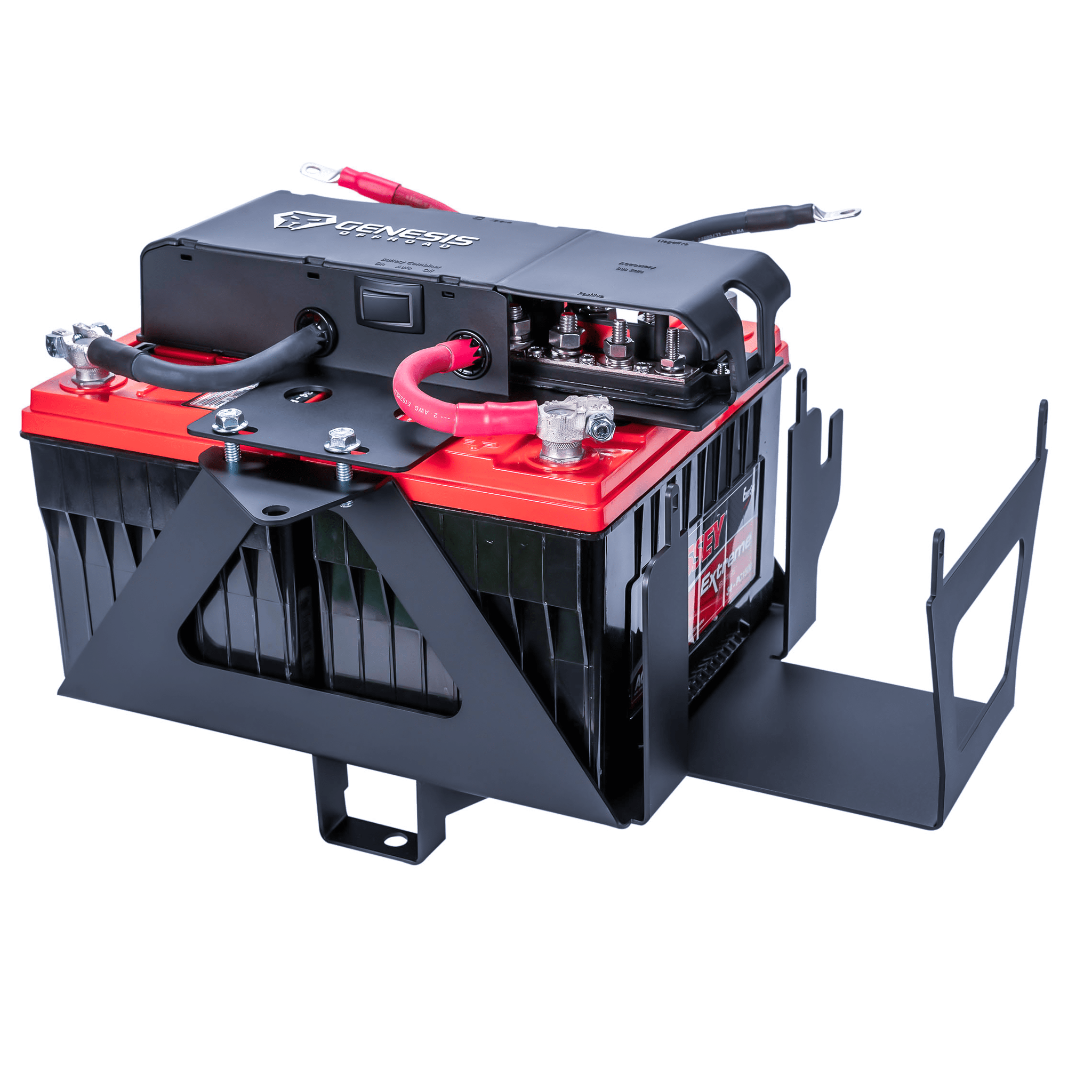
Changing the main battery in a Jeep JL is similar to most vehicles. The auxiliary battery, however, is trickier due to its hidden spot.
Key Steps For Battery Replacement
- Disconnect negative terminal: Always start here for safety.
- Remove fuse box: This gives access to the auxiliary battery.
- Replace both batteries if needed: They often wear out together.
- Reset systems: Some features may need a reset after battery change.
Here’s a quick comparison of battery replacement:
| Battery | DIY Difficulty | Estimated Cost (Parts) | Labor Time |
|---|---|---|---|
| Main Battery | Moderate | $150–$250 | 30–45 min |
| Auxiliary Battery | Challenging | $80–$120 | 60–90 min |
Non-obvious tip: If you replace only the main battery and leave an old auxiliary battery, new battery problems may appear quickly. It’s often best to replace both together.
Common Mistakes With Jeep Jl Batteries
Some owners and even mechanics miss important details:
- Ignoring the auxiliary battery: Many think a single battery is the problem.
- Using non-AGM batteries: Jeep JL requires AGM (Absorbent Glass Mat) batteries for ESS. Regular lead-acid batteries can fail early.
- Skipping system reset: After battery change, ESS may need recalibration.
- Waiting too long: Weak batteries can damage the alternator and electronics.
Testing both batteries and using the right type is key for long Jeep JL life.
Can You Remove The Auxiliary Battery?
Some Jeep JL owners want to delete the auxiliary battery, hoping for fewer problems. This is risky.
The ESS system may not work correctly, and you could trigger warning lights or damage electronics. Jeep designed the system for two batteries.
Bypassing it may save money short-term, but can cause bigger issues later.
Battery Life And Maintenance Tips
On average, Jeep JL batteries last about 3–5 years. The auxiliary battery may wear out faster due to frequent charge cycles.
Practical advice:
- Test both batteries annually.
- Use a quality charger if storing your Jeep for long periods.
- Keep terminals clean to prevent corrosion.
If you use your Jeep for off-roading or have lots of accessories, battery life may be shorter.