If you own or plan to buy a Jeep Compass, you may wonder about the engine cooling system and how it works. One question that comes up often is: Does the Jeep Compass have 2 thermostats?
This detail matters because thermostats control the flow of coolant, affecting engine temperature, performance, and reliability. In this article, you’ll find clear answers, practical advice, and some non-obvious facts that help you understand the Jeep Compass cooling system better.
Understanding Thermostats In Cars
A thermostat is a small device found between the engine and the radiator. Its main job is to regulate coolant flow and keep the engine at the right temperature. When the engine is cold, the thermostat stays closed so the engine warms up quickly. Once it gets hot, the thermostat opens and lets coolant flow to the radiator to cool the engine.
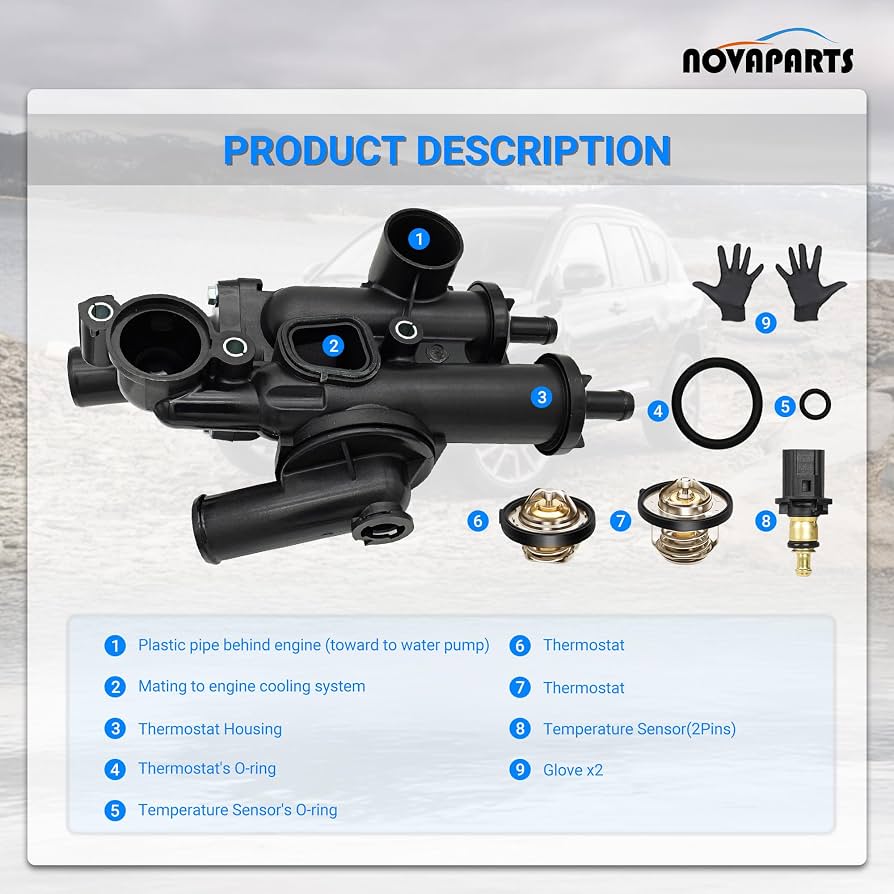
Most cars use one thermostat. However, some newer vehicles, especially those with complex engines, might use two thermostats. Two thermostats can help control coolant flow better, especially in engines with multiple cooling circuits or turbochargers.
Jeep Compass: How Many Thermostats?
The answer depends on the model year and the engine type. Here is a breakdown:
- 2017–2024 Jeep Compass (2.4L Tigershark and 1.3L Turbo engines): These engines typically have one main thermostat.
- Some older Jeep models, like certain Grand Cherokee or Dodge vehicles with advanced cooling systems, can have two thermostats. But the Compass is not designed that way.
- The Jeep Compass diesel versions in other markets (not US) may have special cooling setups, but usually still use a single thermostat.
Quick Comparison Table: Jeep Compass Thermostat Count
| Model Year | Engine Type | Thermostat Count |
|---|---|---|
| 2017–2024 | 2.4L Gasoline | 1 |
| 2017–2024 | 1.3L Turbo | 1 |
| 2017–2024 | Diesel | 1 |
| Older Models | Special Engines | Usually 1 |
Why Some Cars Have 2 Thermostats
In engines with two thermostats, there are usually two coolant circuits—one for the engine block and another for the cylinder head or turbocharger. This helps with:
- Better temperature control: Each part stays at its ideal temperature.
- Improved efficiency: Reduces warm-up time and maintains performance.
- Turbo engines: Some high-performance engines need extra cooling.
But for the Jeep Compass, this is not necessary. Its engines are built for reliability and simplicity, so one thermostat is enough.
Thermostat Location And Replacement
If you need to replace the thermostat on a Jeep Compass, you’ll find it near the engine, usually at the end of the upper radiator hose. Here’s a typical process:
- Let the engine cool down fully.
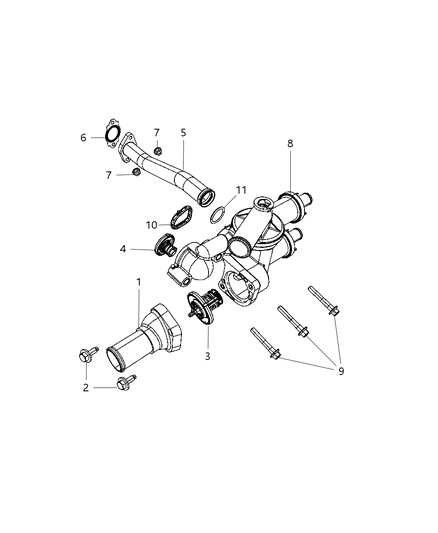
- Locate the thermostat housing (usually a metal or plastic cover attached to the engine).
- Remove the housing and take out the old thermostat.
- Clean the surfaces and install the new thermostat.
- Reconnect everything and refill the coolant.
Common Signs Of Thermostat Problems
- Overheating: The engine gets too hot.
- Coolant leaks: Fluid under the car.
- Heater not working: Cabin stays cold.
- Check engine light: Warning on your dashboard.
If you notice these signs, check the thermostat first. For most Jeep Compass owners, you only need to worry about the single thermostat.
What Happens If You Use The Wrong Thermostat?
Using the wrong thermostat can cause several issues:
- Engine overheating: Wrong temperature rating means poor cooling.
- Poor fuel economy: Engine runs too cold or too hot.
- Reduced engine life: High temperatures can damage internal parts.
Always use the right thermostat specified for your Compass engine.
Thermostat Ratings Table
Here’s a quick look at thermostat temperature ratings for the Jeep Compass:
| Engine Type | Thermostat Rating (°F) | Effect on Performance |
|---|---|---|
| 2.4L Gasoline | 190–195 | Optimal cooling |
| 1.3L Turbo | 190–195 | Balanced temperature |
| Diesel | 190–195 | Stable performance |
Non-obvious Insights For Jeep Compass Owners
- Thermostat failures are rare, but coolant quality affects lifespan. Change coolant every 5 years for best results.
- Aftermarket thermostats may fit, but using OEM parts ensures proper function and warranty.
- If you notice slow warm-up in cold weather, it might be a sign the thermostat is stuck open—not closed.
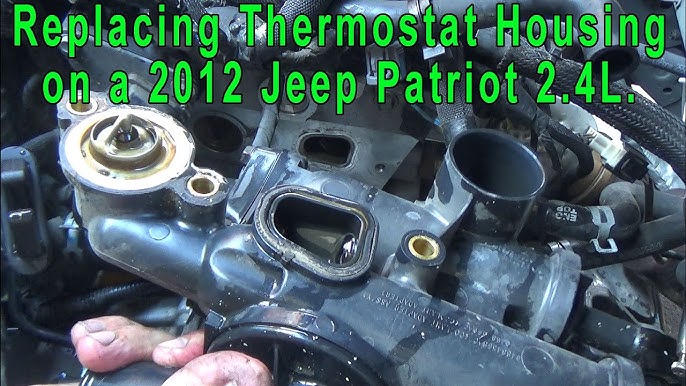
- On some Compass models, the thermostat is part of a larger assembly (like the housing), so you may need to replace the whole unit.
Practical Tips For Maintaining Your Jeep Compass Cooling System
- Check coolant level monthly.
- Inspect hoses for cracks and leaks.
- Use coolant recommended in your owner’s manual.
- Avoid mixing different coolant types.
- If the engine overheats, stop driving immediately.
Many owners ignore these steps, but regular checks can prevent expensive repairs.