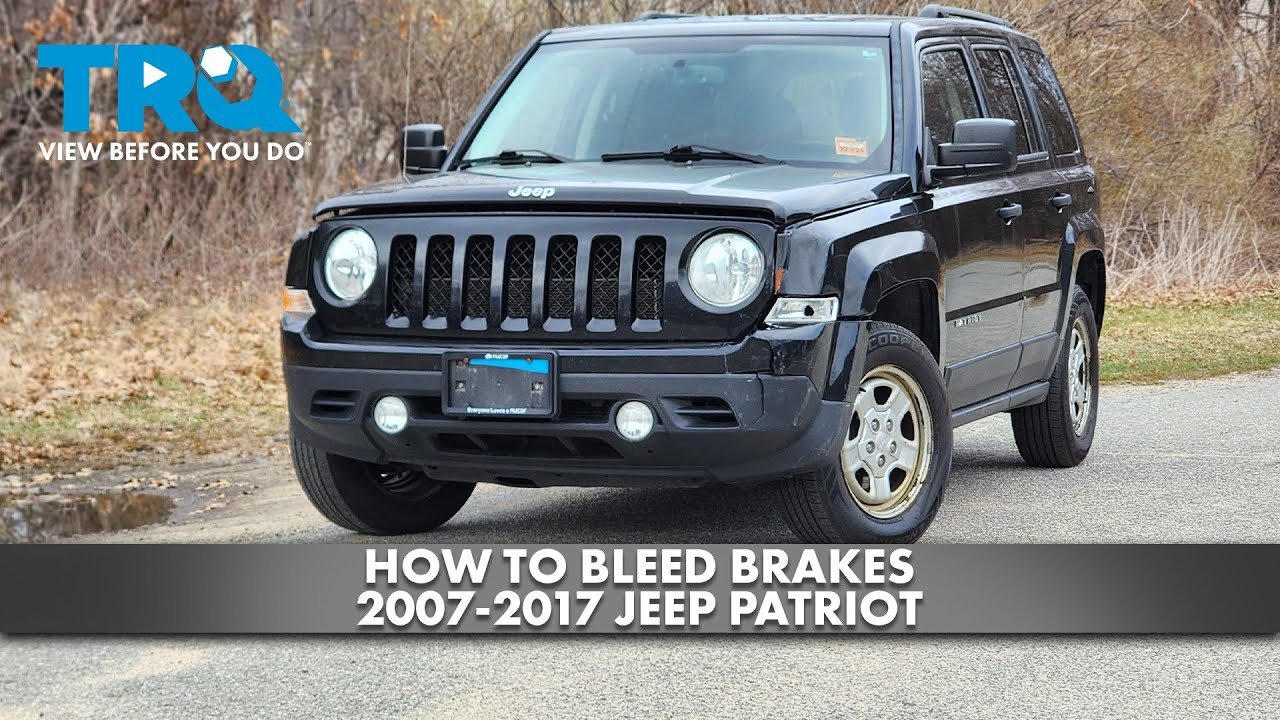
The Jeep Cherokee is a popular SUV known for its off-road ability, comfort, and history. But if you are thinking about buying one, or want to know more about its build, you might ask: Does a Jeep Cherokee have a frame?
The answer is more complex than a simple yes or no. The design of the Jeep Cherokee has changed over the years, affecting its structure and how it performs.
Let’s explore what kind of frame the Jeep Cherokee uses, how it compares to other SUVs, and what this means for owners.
Understanding Vehicle Frames
To answer the question, it’s important to know there are two main types of vehicle construction:
- Body-on-frame: The body sits on a strong steel frame. Trucks and older SUVs use this.
- Unibody: The body and frame are combined into a single structure. Most modern cars and many SUVs use this.
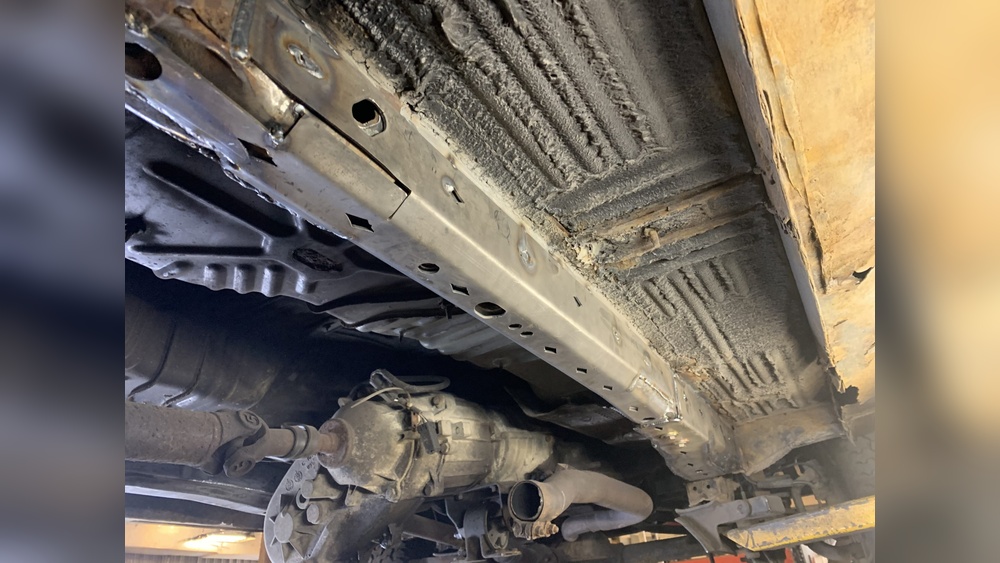
A frame is like the skeleton of a vehicle. It affects strength, weight, handling, and repair costs.
Jeep Cherokee: Frame Types By Generation
The Jeep Cherokee has a long history, with major changes over time. Here’s how its frame has evolved:
| Generation | Years | Construction Type |
|---|---|---|
| First (SJ) | 1974–1983 | Body-on-frame |
| Second (XJ) | 1984–2001 | Unibody |
| Third (KJ) | 2002–2007 | Unibody |
| Fourth (KK) | 2008–2012 | Unibody |
| Fifth (KL) | 2014–present | Unibody |
The first-generation Cherokee used a traditional body-on-frame design, similar to trucks. This made it strong for off-road use but also heavier.
Starting with the second-generation XJ, Jeep switched to a unibody. This was a major shift in the SUV world. The unibody design made the Cherokee lighter and better for on-road driving, but still tough enough for moderate off-roading.
How A Unibody Differs From A Frame
With a unibody, the body and frame are one piece. This has several effects:
- Lighter weight: Unibodies are usually lighter, so the vehicle uses less fuel.
- Better handling: The body feels tighter, so the ride is smoother on roads.
- Lower repair costs: For small crashes, repairs can be easier, but big damage can be more costly.
However, there are trade-offs:
- Towing capacity: Body-on-frame vehicles often tow more.
- Extreme off-roading: Some drivers feel unibodies are less strong for tough trails.
Comparing Jeep Cherokee To Other Suvs
Many people wonder how the Jeep Cherokee stacks up against similar SUVs. Here’s a comparison of construction types for popular models:
| Model | Frame Type | Off-Road Ability |
|---|---|---|
| Jeep Cherokee (KL) | Unibody | Moderate |
| Toyota 4Runner | Body-on-frame | High |
| Honda CR-V | Unibody | Low |
| Jeep Wrangler | Body-on-frame | Very High |
The Jeep Cherokee is not as extreme off-road as the Wrangler or 4Runner, but it is more comfortable for daily driving than most body-on-frame SUVs.
What This Means For Jeep Cherokee Owners
If you own or are thinking of buying a Jeep Cherokee, here are some key points:
- Modern Cherokee models (1984 and newer) use a unibody. You don’t get a separate steel frame.
- Unibody makes the Cherokee smoother, lighter, and more fuel-efficient than older SUVs.
- For most people, a unibody is strong enough. You can still do light off-roading, towing, and hauling.
- If you want heavy-duty off-roading or high towing limits, consider a Jeep Wrangler or a truck-based SUV.
Non-obvious Insights About Jeep Cherokee Frames
Most buyers don’t realize a couple of things:
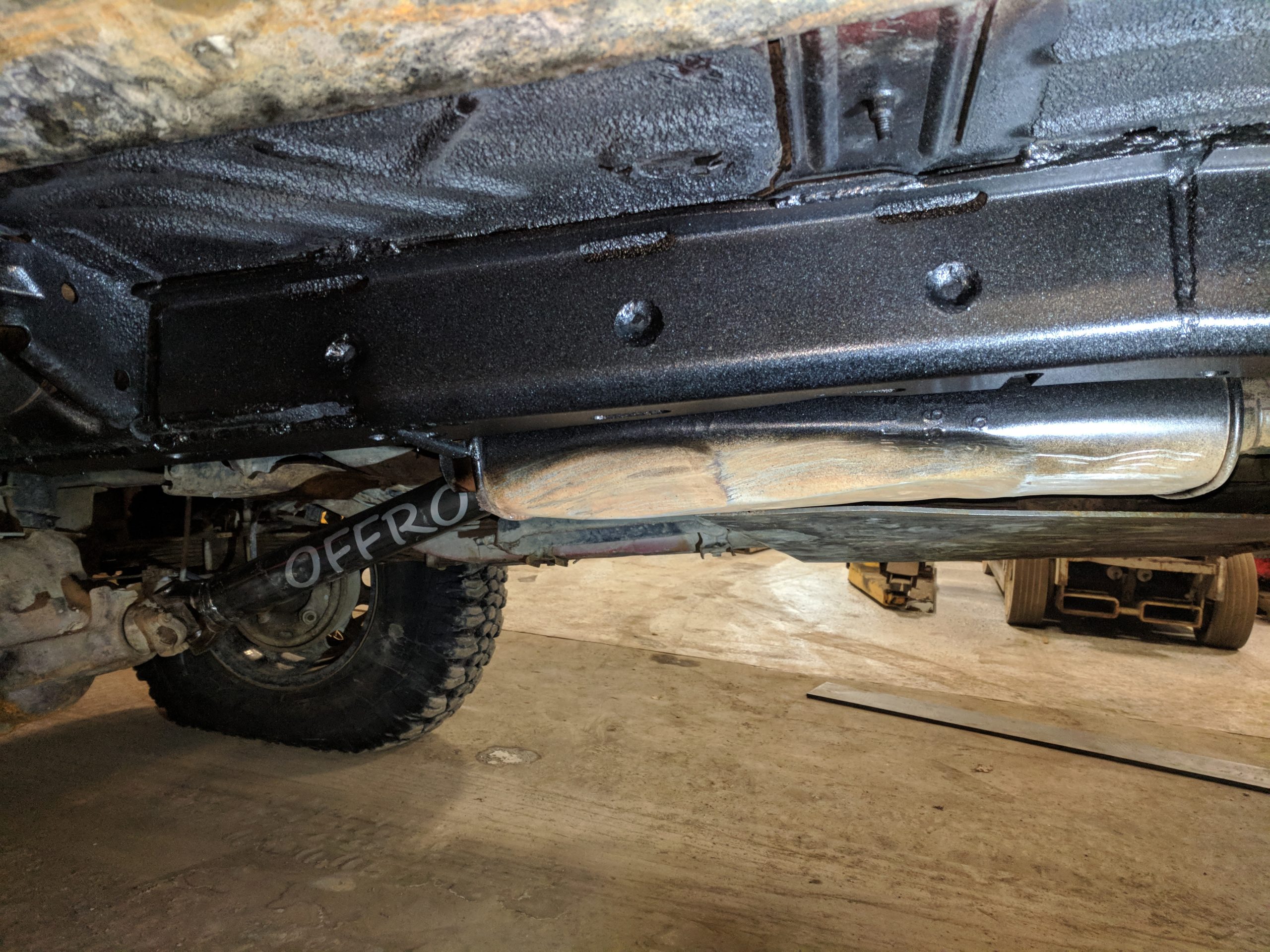
- The XJ Cherokee’s unibody (1984–2001) was famous for its strength. Jeep added extra reinforcement, so it’s tougher than many think.
- Some off-road fans add frame stiffeners or skid plates to their Cherokee unibodies. These upgrades help for rougher trails without needing a full frame.

Common Myths About The Jeep Cherokee Frame
There are a few misunderstandings:
- Myth: All Jeeps have a full frame. In fact, only some Jeep models (like the Wrangler) have a body-on-frame.
- Myth: Unibody means weak. The Cherokee’s unibody is strong for most uses. It’s not as tough as a truck, but it’s not fragile.
Repair And Maintenance Tips
If your Cherokee’s unibody gets damaged, here are some tips:
- Small dents or rust can be fixed like any car.
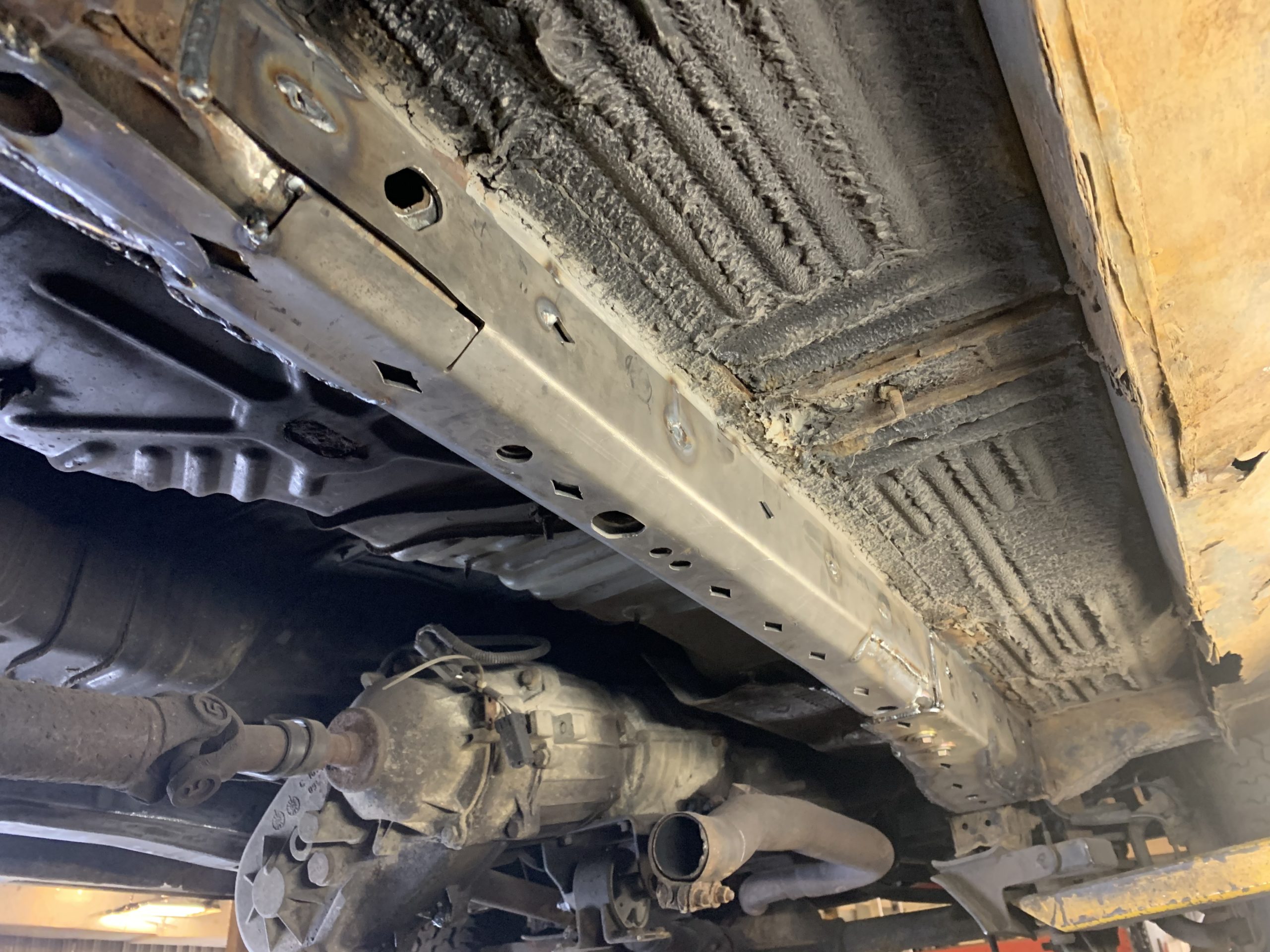
- Major frame damage (like a big accident) can be harder or more expensive to repair than a body-on-frame vehicle.
- Check for rust in older Cherokees, especially under the doors and in the floor. Rust can weaken the unibody.
Regular inspection and prompt repair keep your Cherokee safe and strong.
Frequently Asked Questions
Does The Jeep Cherokee Have A Full Frame?
No, most Jeep Cherokees use a unibody structure, not a separate frame. Only the very first generation (1974–1983) had a body-on-frame.
Is The Unibody Of The Jeep Cherokee Strong For Off-roading?
Yes, the unibody in the Cherokee, especially the XJ and newer models, is strong for moderate off-roading. For extreme trails, a body-on-frame SUV might be better.
Can You Tow With A Jeep Cherokee?
Yes, you can tow with a Jeep Cherokee, but check your model’s towing limit. Unibody vehicles usually have lower towing capacity than body-on-frame trucks.
How Does The Jeep Cherokee Compare To The Wrangler?
The Jeep Wrangler has a body-on-frame and is better for heavy off-roading and towing. The Cherokee is smoother on roads and better for daily use.
Where Can I Learn More About Suv Frame Types?
For more technical details, check out this Wikipedia article about vehicle platforms.
The Jeep Cherokee’s frame design is a big part of its character. Whether you need off-road strength or city comfort, knowing how your vehicle is built helps you make the best choice for your needs.