Visiting Maui often sparks a big question: Do you need a Jeep in Maui? The island is famous for its wild beauty, winding roads, and hidden spots.
Many travelers imagine cruising in a Jeep, top down, feeling the breeze. But is renting a Jeep really necessary, or can you explore Maui with a regular car?
Making the right choice can save you money, make your trip easier, and help you enjoy Maui’s best sights.
The Appeal Of Jeeps In Maui
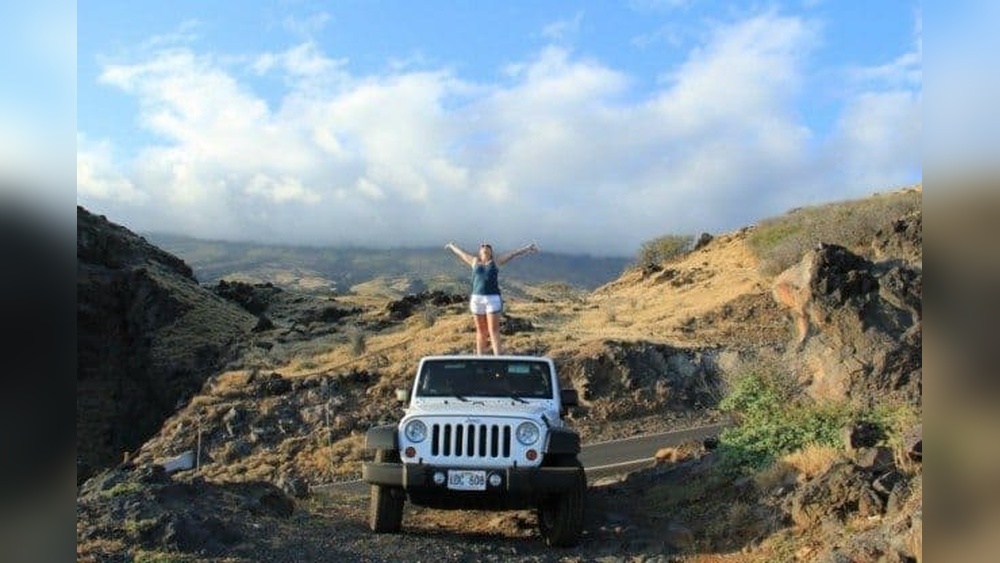
Jeeps are popular in Maui for good reasons. The rugged terrain, especially in places like Hana and Haleakalā, seems perfect for a tough vehicle. You often see Jeeps in photos at waterfalls, beaches, and mountain trails. Many rental companies promote Jeeps as the ideal Maui vehicle.
But the reality is more nuanced. Most tourists stay on paved roads and visit famous locations.
A Jeep looks cool, but you may not need one for everyday sightseeing.
Here’s a quick look at what Jeeps offer compared to regular cars:
| Feature | Jeep | Regular Car |
|---|---|---|
| Off-road capability | Excellent | Limited |
| Convertible option | Common | Rare |
| Rental price | High | Moderate |
| Fuel efficiency | Poor | Good |
| Comfort | Fair | Excellent |
Maui Roads: What To Expect
Most roads in Maui are well-maintained and easy to drive. The famous Road to Hana has many curves and narrow spots, but it is paved. The trip to Haleakalā National Park is also smooth for any vehicle. You won’t find many legal off-road trails where Jeeps are truly needed.
Some areas, like the back side of Hana, are rougher, with gravel and potholes. Rental companies often warn drivers not to take certain roads with any car, including Jeeps. If you do, insurance may not cover you.
Here’s a brief comparison of Maui’s main routes:
| Route | Road Condition | Jeep Needed? |
|---|---|---|
| Road to Hana | Paved, narrow, winding | No |
| Haleakalā Summit | Paved, steep | No |
| West Maui Loop | Paved, some rough sections | Optional |
| Back side of Hana | Unpaved, rough | Yes (but often prohibited) |
| Beaches & towns | Paved | No |
When A Jeep Makes Sense
There are times when a Jeep is a smart choice:
- Adventure seekers: If you plan to explore rough, legal trails or want to visit remote areas, a Jeep can handle bumps and mud better.
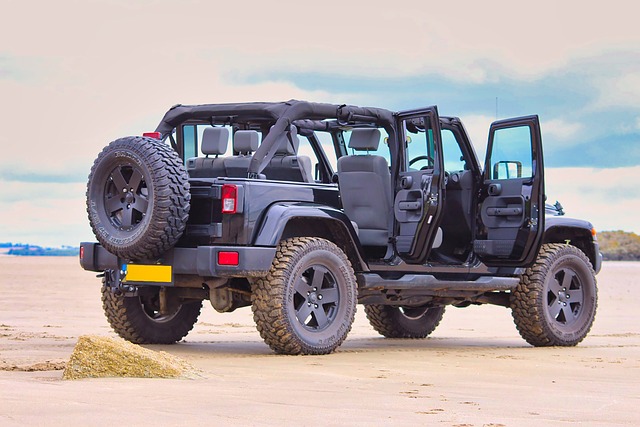
- Convertible lovers: Maui’s weather is often sunny. A Jeep with a removable top gives you a fun island experience.
- Large groups: Jeeps can fit bigger families and gear, making trips to the beach more comfortable.
- Rainy season: During winter months, roads can get slippery. A Jeep’s four-wheel drive adds safety.
However, most visitors do not need these features. For everyday touring, a sedan or SUV is usually enough.
Cost Considerations
Renting a Jeep in Maui is more expensive than a regular car. Prices change by season, but Jeeps often cost $100–$150 per day, while small cars can be $40–$70 per day. Insurance is also higher for Jeeps.
Consider these factors before deciding:
- Budget: If you want to save money for activities or food, a regular car helps.
- Parking: Jeeps are bigger and harder to park in crowded towns like Lahaina or Kihei.
- Fuel: Jeeps use more gas. Maui gas prices average $5.00–$5.50 per gallon (2024 data).
Here’s a quick cost comparison:
| Vehicle Type | Average Daily Rate | Fuel Efficiency (mpg) |
|---|---|---|
| Jeep Wrangler | $120 | 17 |
| Sedan | $60 | 28 |
| Compact SUV | $80 | 25 |
Common Mistakes When Renting In Maui
Many tourists assume a Jeep is necessary for Maui, but this leads to overspending and inconvenience. Some common mistakes:
- Ignoring rental company restrictions: Not all roads are allowed for rental Jeeps.
- Underestimating parking challenges: Jeeps are harder to park in busy areas.
- Thinking off-roading is legal everywhere: Maui has strict rules. Most off-road spots are forbidden or private property.
- Skipping insurance details: Some rental contracts cancel coverage if you drive on forbidden roads.
A less obvious tip: local buses and shuttles cover many tourist spots. You can skip renting any car if you plan to stay in resorts and visit only main attractions.
Non-obvious Insights
- Convertible sedans are cheaper but offer a similar open-air feeling. If you want the wind in your hair, look for a convertible car instead of a Jeep.
- Most rental Jeeps are not true off-road vehicles. They often have standard tires and limited modifications, so don’t expect them to handle extreme terrain.
- Insurance loopholes: Rental agencies may void your coverage if you drive on forbidden roads, even with a Jeep. Read your contract carefully.

Making The Right Choice
The decision depends on your plans, group size, and budget. If you want adventure and flexibility, a Jeep is fun but costly.
For most travelers, a regular car is safer, cheaper, and easier for parking and fuel.
If you’re unsure, plan your route before booking. Check which areas you want to visit and whether a Jeep is needed. For detailed maps and rental advice, see Maui County’s official travel site.
Frequently Asked Questions
Is A Jeep Necessary For Driving The Road To Hana?
No, the Road to Hana is paved and can be driven with any car. However, a Jeep provides better comfort for bumpy areas if you continue past Hana.
Can I Go Off-roading With A Rental Jeep?
Most rental companies prohibit off-roading. Even with a Jeep, insurance often won’t cover damage from driving on unapproved roads.
Are There Cheaper Alternatives To Jeeps In Maui?
Yes, sedans and compact SUVs are much cheaper and handle most Maui roads well. Convertible cars are also available for a lower price.
What About Parking A Jeep In Maui Towns?
Parking a Jeep can be tricky in crowded towns like Lahaina or Kihei. Smaller cars fit better and are easier to maneuver.
Should I Rent A Jeep During Rainy Season?
A Jeep’s four-wheel drive helps in wet conditions, but most main roads are safe for regular cars. Only rent a Jeep if you expect to drive rough back roads.
Choosing the right vehicle makes your Maui trip smoother. For most visitors, a regular car is enough.
Use your budget wisely and enjoy the island’s beauty, whether in a Jeep or not.